Key Takeaways
- Kitchen renovations are one of the most frequently financed home improvement projects.
- Bathroom upgrades often involve significant plumbing and material costs.
- Flooring replacement can improve both aesthetics and functionality.
- Homeowners commonly use home renovation loans to manage larger renovation expenses.
- Whole-home renovations and space reconfigurations often require external financing.
- Some foreign residents may explore options offered by a licensed money lender when financing renovation projects.
Introduction
Renovating a home can improve comfort, functionality, and long-term property value. However, renovation costs can quickly become substantial, particularly when multiple areas require upgrading at the same time. Many homeowners choose financing solutions instead of paying the full amount up front. This allows them to complete necessary improvements while preserving cash flow for other expenses. As a result, home renovation loans are commonly used to fund a variety of renovation projects, ranging from minor upgrades to major property transformations.
Kitchen Renovations
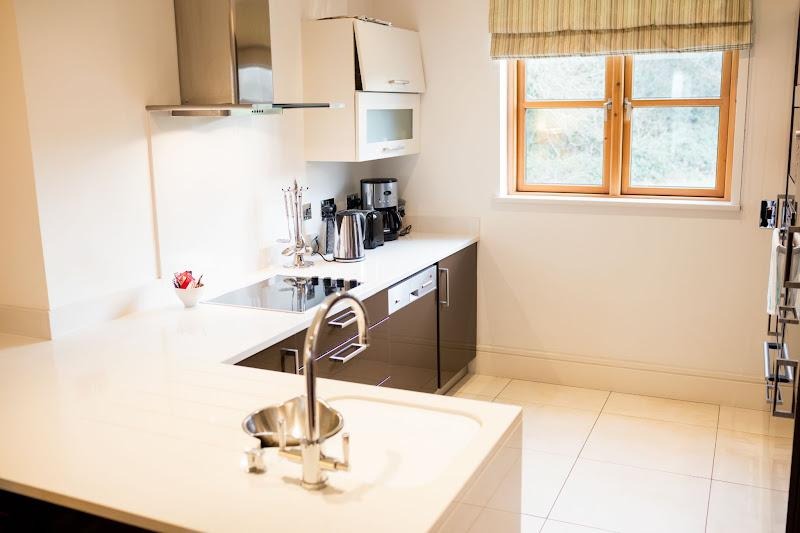
Kitchen renovations remain one of the most popular projects financed through loans. The kitchen is often considered one of the most frequently used spaces in a home, making it a priority when improvements are planned. Typical renovation work includes replacing cabinets, countertops, sinks, lighting fixtures, and appliances. Some homeowners also redesign layouts to improve workflow and storage capacity. Because kitchen renovations often involve carpentry, electrical work, plumbing, and finishing services, costs can rise quickly. Financing allows homeowners to complete these upgrades without significantly affecting their savings.
Bathroom Upgrades
Bathroom renovations are another common reason homeowners seek financing. Ageing bathrooms may require new sanitary fittings, upgraded plumbing systems, waterproofing work, and tile replacement. Many homeowners also choose to install modern shower systems, improved ventilation, and additional storage features. Even relatively small bathrooms can generate considerable renovation costs due to specialised labour requirements and material expenses. Financing helps homeowners spread these costs over a manageable period while completing necessary improvements that enhance daily living conditions.
Flooring and Interior Improvements
Replacing flooring throughout a property is a renovation project frequently supported by loans. Homeowners may upgrade from worn materials to vinyl, engineered wood, tiles, or other durable flooring options. Flooring improvements can dramatically change the appearance of a property while increasing comfort and ease of maintenance. Alongside flooring replacement, many renovation budgets include repainting, ceiling upgrades, feature walls, and built-in carpentry. While each individual improvement may seem manageable, the combined costs often encourage homeowners to seek financing solutions to support the overall project.
Space Reconfiguration and Room Additions
As family needs change, homeowners may choose to modify their existing layouts. Space reconfiguration projects can include removing non-structural walls, creating open-concept living areas, converting unused rooms, or adding functional spaces such as home offices. These projects often involve construction work, electrical modifications, and interior finishing. Because of the scope of work involved, costs are usually higher than standard cosmetic upgrades. Financing allows homeowners to proceed with larger projects that improve how the property supports their lifestyle and long-term needs.
Whole-Home Renovations
Some homeowners undertake comprehensive renovations that cover multiple areas of the property at once. A whole-home renovation may include upgrades to kitchens, bathrooms, flooring, lighting, storage systems, and living spaces. While renovating multiple areas simultaneously can improve project efficiency, it also increases overall costs. This makes financing an important consideration for many homeowners. In certain situations, foreign residents may explore financing options from a licensed money lender in Singapore for foreigners if they require additional funding and meet the applicable requirements.
Conclusion
Kitchen renovations, bathroom upgrades, flooring replacement, space reconfiguration, and whole-home makeovers are among the most common renovation projects financed through loans. These improvements often involve high costs that may be difficult to pay up front. By using home renovation loans, homeowners can manage renovation expenses more effectively while achieving their property improvement goals. Careful budgeting and selecting the right financing option can help ensure a smoother renovation process and better long-term financial planning.
Contact 101 Credit and explore financing options that align with your budget and renovation goals.