Buying a home represents a massive financial decision that requires careful planning and significant capital. Every physical component of a building plays a measurable role in determining its long-term market valuation. Structural health influences how a property appreciates over time.
The protective barrier overhead keeps the entire structure safe from harsh weather conditions. A solid top layer maintains the underlying framework and keeps residential properties secure for decades. Regular maintenance preserves the financial asset.
First Impressions and Curb Appeal
Buyers spot the top of a house from the street before entering the front door. A clean, modern covering forms a positive initial thought about the property’s condition. The outward appearance sets clear expectations for the interior rooms of the house.
Stains or missing pieces signal neglect to anyone driving past the neighborhood. Buyers assume a messy exterior means the interior lacks proper care and maintenance. Visible damage lowers initial offer prices from interested parties.
Investing in a neat structure changes how people view the entire property footprint. Clean lines make the structure look well-maintained and highly desirable. Sellers secure better market attention with an attractive exterior that stands out.
Hiring Professional Roofing Contractors
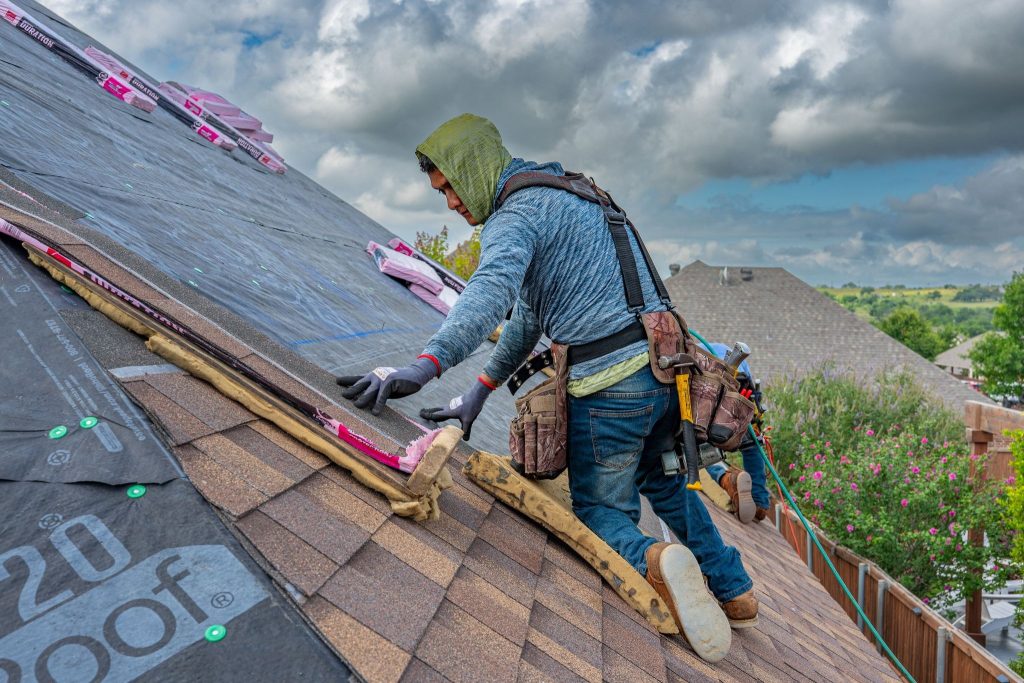
Working with licensed experts prevents costly errors during the installation process. Experienced teams understand regional building codes and follow strict safety protocols. Qualified professionals possess the right tools for complex structural tasks on residential buildings.
Finding skilled builders guarantees that structural materials perform as intended. Homeowners secure lasting peace of mind by scheduling residential roofing services to handle difficult installation tasks. Certified crews fix hidden structural problems before laying down new layers. Reliable companies protect the home from early structural wear.
Warranties from reputable businesses protect investments against early product breakdown. Correct techniques shield the home from premature wear and tear over the years. Long-term product guarantees provide immense value during future property assessments.
Protection Against Elements
Heavy rain and winter snow test the strength of a home daily. A sturdy barrier prevents water from leaking into upper ceilings and walls. Left unchecked, small drips destroy insulation layers inside the attic space as months pass.
Moisture creates structural rot that ruins woodwork behind the drywall. Stopping leaks early protects the wooden skeleton of the residential building from costly degradation. Preventing water intrusion keeps the living environment dry and healthy.
Strong materials withstand severe storms without losing their defensive capabilities. Regular inspections catch minor flaws before they become massive liabilities. Property owners save capital by addressing small issues before storms strike.
Real Estate Valuations and Owner-Occupied Housing
Appraisers inspect physical conditions when calculating market figures for banks. A certified inspector checks structural elements to gauge remaining lifespans. High scores on structural reports translate into higher loan approvals for prospective buyers.
A government financial report indicates that home value data tracks structural conditions across all categories of owner-occupied housing. Safe structures maintain steady growth in municipal assessments. Financial institutions favor buildings with updated structural components.
Neglecting basic structural needs drives market values down rapidly. Properties with strong structural foundations command top dollar during municipal reviews. Home equity grows when the physical shell remains completely secure against damage.
Modern Materials Increase Property Value
Upgraded building supplies offer longer lifespans than traditional materials. Shingles manufactured today resist heavy wind and ultraviolet rays much better than older variants. New manufacturing techniques produce highly resilient exterior options for modern neighborhoods.
Homeowners select options that fit regional weather patterns perfectly. Choices include several styles:
- Metal panels that reflect summer heat waves.
- Composite pieces with high impact ratings.
- Clay tiles designed for warm climates.
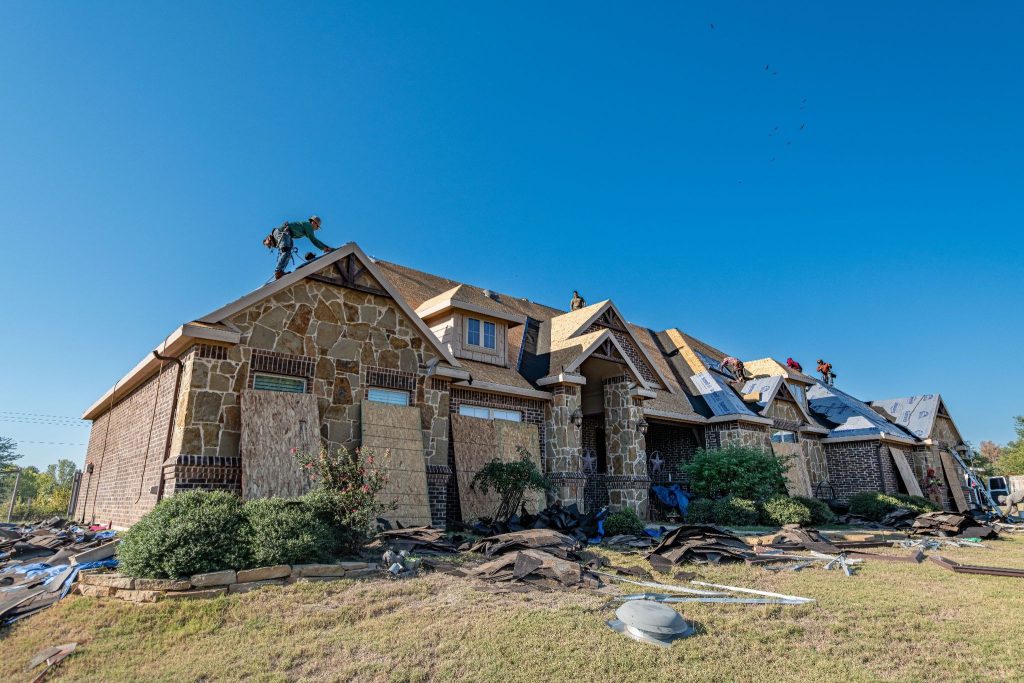
Upgrading to premium materials helps justify a higher listing price later. Buyers pay more for components that will not need replacement for 20 years. Modern installations add immense aesthetic appeal alongside structural longevity across all seasons.
Energy Savings and Efficiency
Poor insulation under the rafters lets conditioned air escape upwards. Utility bills rise when cooling systems work double shifts during summer peaks. Thermal leaks force HVAC units to burn more energy unnecessarily throughout the year.
Modern installations incorporate proper ventilation to balance attic temperatures. Cool air flows through intake vents to push hot air out cleanly. Balanced airflow prevents moisture buildup during freezing winter months.
Lower monthly operational expenses attract energy-conscious buyers to the market. Saving money on power bills directly improves the long-term utility of the house. Efficient properties maintain higher market demand in competitive suburban neighborhoods.
Long-Term Financial Security
Repairing structural damage after a major failure costs thousands of dollars. Small patches save money upfront but rarely fix the underlying breakdown. Complete failures demand sudden capital allocation that strains household budgets severely.
Solid installations reduce the frequency of emergency calls to repair crews. Homeowners avoid sudden expenses that disrupt family savings plans. Predictable home expenses create a stable financial environment for the household.
Predictable housing costs allow families to invest elsewhere with confidence. Protecting the physical asset secures the wealth stored inside the equity. Real estate remains a safe investment when the physical structure stands strong against the elements.
Maximizing Returns During a Home Resale
Sellers who replace aging tops before listing often recoup most of the investment. Clear documentation of a new installation speeds up negotiations with buyer agents. Updated properties stand out in local real estate listings every season.
Inspections run smoother when the overhead structure passes without major notes. Fixes made before listing prevent common real estate delays:
- Bank loan approval holdups.
- Insurance policy coverage rejections.
- Buyers demand steep price drops.
Fresh materials give the property an advantage over surrounding listings. Homes sell faster when incoming families face zero immediate repair tasks. Smooth transactions benefit both parties during closing procedures at the bank.
Preventative Maintenance Saves Capital
Clearing gutters regularly keeps water moving away from structural edges. Blocked channels force moisture back under shingles, where it causes rot. Routine clearing protects the foundation from water pooling near the base of the building.
Minor repairs completed annually prevent small weak spots from spreading wide. Replacing a few loose pieces costs very little compared to a full overhaul. Proactive fixes extend the lifetime of existing building supplies.
Documenting yearly upkeep proves to future buyers that the structure received excellent care. Consistent attention maintains peak performance throughout the life of the materials. Well-documented history builds buyer confidence during sales discussions and negotiations.
A strong top layer forms the foundation of real estate preservation. Protecting the structure keeps equity safe and raises market appeal. Smart investments today yield steady dividends for property owners down the road toward resale.
Homeowners who prioritize quality secure their financial future. Taking care of the structure yields great rewards when selling the property to new families. Safe properties anchor stable neighborhoods and maintain enduring value.