Rising energy costs, severe weather, and growing environmental awareness are encouraging homeowners to rethink how they power their homes. Residential energy independence is no longer limited to remote cabins or eco-friendly enthusiasts. Today, homeowners are investing in practical solutions that reduce dependence on the electrical grid while providing reliable backup power during outages.
Solar technology has become one of the most effective ways to achieve these goals. Portable and expandable solar systems now offer flexibility for homeowners who want clean energy without committing to large, permanent installations.
Building a More Sustainable Home
A sustainable home focuses on reducing energy waste while making better use of renewable resources. Energy-efficient appliances, proper insulation, smart thermostats, and LED lighting all help lower electricity consumption. Pairing these improvements with solar energy creates a more resilient and environmentally responsible household.
Many homeowners begin with portable solar equipment before expanding into larger systems. This approach allows families to test renewable energy while keeping upfront costs manageable.
One option worth exploring is ZOUPW, which offers portable solar solutions designed for home backup, outdoor use, and off-grid applications. Modern portable solar systems provide flexibility for homeowners who want renewable energy without major structural modifications.
Why Home Backup Power Matters
Power outages are becoming more common due to storms, aging infrastructure, and increasing electricity demand. Even short interruptions can disrupt work, communication, refrigeration, heating, medical equipment, and internet access.
A home backup power system offers several benefits:
- Keeps essential appliances running.
- Protects refrigerated food.
- Supports remote work.
- Maintains internet connectivity.
- Powers emergency lighting.
- Charges phones and communication devices.
Unlike fuel-powered generators, solar-powered backup systems operate quietly, require little maintenance, and produce no direct emissions during operation.
The Rise of Portable Solar Solutions
Traditional rooftop solar systems remain popular, but portable solar panels are gaining attention because of their flexibility. Homeowners can use them during emergencies, while traveling, or at remote properties.
Portable panels can charge power stations that store electricity for later use. This stored energy powers essential household devices whenever grid electricity becomes unavailable.
Many portable systems are also compatible with popular power stations, making installation straightforward for users who want an easy backup solution.
Advantages of Bifacial Solar Panels
Solar technology continues to improve, with bifacial panels becoming increasingly popular. Unlike conventional panels that capture sunlight only from the front, bifacial models collect reflected light from both sides, improving overall energy production under suitable conditions.
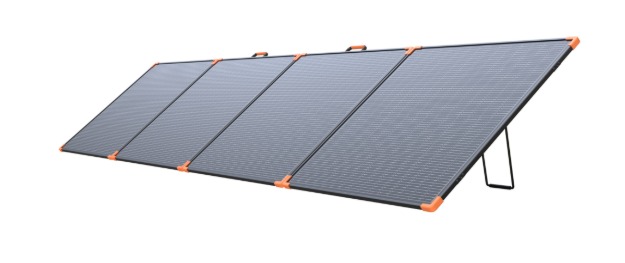
For homeowners seeking greater efficiency, the 430W bifacial portable solar panel offers a portable option for charging compatible power stations while supporting home backup and outdoor energy needs. Bifacial technology can improve energy generation when positioned over reflective surfaces such as concrete, gravel, or light-colored ground.
Off-Grid Living Is Becoming More Practical
Living off the grid once required major compromises. Advances in battery storage, solar panels, and energy-efficient appliances have changed that.
Today’s off-grid homes often include:
- Portable or fixed solar panels.
- Battery storage systems.
- Energy-efficient appliances.
- Smart energy monitoring.
- Backup charging options.
Many homeowners are also creating hybrid systems that remain connected to the utility grid while maintaining backup power capabilities. This approach provides flexibility during emergencies while reducing monthly electricity consumption.
Planning for Residential Energy Independence
Complete energy independence is a gradual process rather than a single purchase. Homeowners benefit from evaluating their daily energy use before selecting equipment.
Important factors include:
- Average daily electricity consumption.
- Number of essential appliances.
- Local sunlight availability.
- Battery storage capacity.
- Future energy needs.
Starting with portable solar equipment allows homeowners to understand their power requirements before investing in larger renewable energy systems.
According to the U.S. Department of Energy, improving energy efficiency first can significantly reduce the size and cost of renewable energy systems needed for a home. The agency recommends combining efficiency improvements with renewable energy for the best long-term results.
Similarly, the International Energy Agency highlights that expanding renewable energy plays a key role in improving energy security while reducing emissions worldwide.
Preparing for the Future
Residential energy systems continue to evolve with better batteries, smarter energy management software, and more efficient solar panels. Portable solar products are becoming lighter, more powerful, and easier to transport than earlier generations.
As electricity prices fluctuate and weather-related outages increase in many regions, homeowners are placing greater value on energy resilience. A combination of efficient home design, renewable energy, and backup storage creates a practical strategy for reducing dependence on traditional power sources.
Final Thoughts
Modern residential energy independence is about preparation, flexibility, and sustainability. Whether your goal is lowering utility bills, reducing environmental impact, or maintaining power during emergencies, renewable energy offers practical solutions.
Portable solar technology gives homeowners an accessible starting point without requiring extensive installation. As technology continues to improve, combining sustainable home practices with reliable backup power will become an increasingly valuable investment for households seeking greater energy security and long-term resilience.