Two links to trendsetterhomes.com.au are in the text. Please keep them as written. Images are supplied separately and embedded below, with alt text and the caption “Image: Trendsetter Homes”.
Signing with a builder for a one-off home is one of the largest commitments most people make. The contract runs to dozens of pages, the build to many months, and the working relationship to the length of both. The questions you ask before you sign are the cheapest protection you will ever have.
These are the ones worth asking, and what a good answer sounds like.
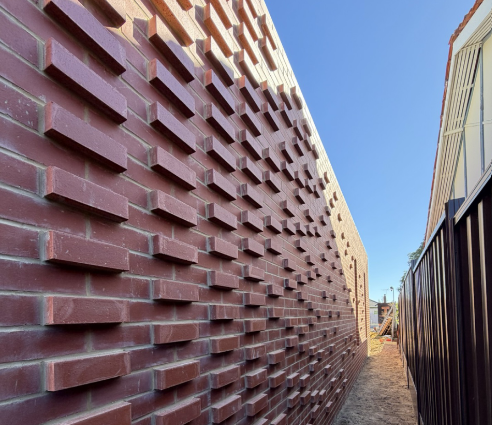
Image: Trendsetter Homes
Who designs the home, and who builds it?
Some builders draw the plans in-house. Others build from an architect’s drawings, or pass your brief to an outside drafting service. None of these is wrong, but each changes who is accountable when a design detail turns out to be hard, or expensive, to build.
Ask who will draw your home, who will price it and who will run the site. Then ask how those people work together. When design and construction sit with different businesses, a gap can open between what was drawn and what can be built for the budget. When one team carries the project from the first sketch to handover, closing that gap is the builder’s job rather than yours.
When does the interior designer get involved?
Joinery, lighting, stone and tiles are not finishing touches. They decide where power points go, how thick a wall needs to be and whether a ceiling can carry a heavy pendant. Leave the interiors until the plans have been approved and you can end up paying to change things that could have been drawn in at the start.
The answer you want to hear is “from the first brief”. An interior designer who sits in on the early meetings can shape the rooms around how you will furnish and use them, instead of decorating whatever the plans produced.
Can I see homes you have finished, and homes being built?
Photographs show a home from its most flattering angle on a sunny afternoon. Walking through one shows you the ceiling heights, the width of a hallway and how the light moves through the rooms. It also shows the workmanship photographs hide: how the joinery meets the wall, how the stair is fixed, how the window reveals are finished.
Ask whether you can tour a finished custom home as well as one still under construction. Builders who are confident in their work tend to say yes. A home mid-build is especially telling, because you can see the structure, the insulation and the services before they disappear behind plasterboard.
What does the price include, and what does it leave out?
Custom home quotes are rarely like for like. One may include a landscaping allowance or a paved driveway; another may leave out site works that turn out to be significant on a sloping or sandy block. The land itself, approvals, landscaping, connecting the services and furnishing the house are usually costed apart from the build.
Ask for a detailed breakdown rather than a single figure, and find out which lines are provisional sums or PC (prime cost) items. Those are estimates. If the real cost comes in higher, you pay the difference, so a quote that looks low because its allowances are thin is not really low.
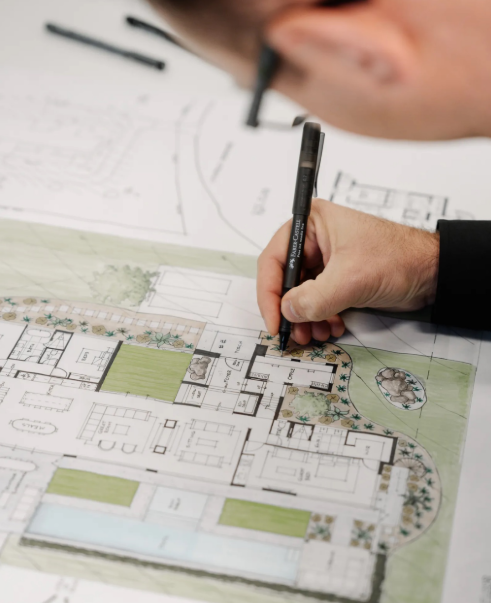
Image: Trendsetter Homes
What price range do you usually build in?
This question saves everyone time. A builder whose homes start at $1.5 million for the build is set up differently from one building at half that: in its suppliers, its trades and the hours it puts into design before a brick is laid. Ask where most of its recent projects sat, and whether your budget and your block suit the way it works.
Some builders are open about this. One Perth custom home builder, Trendsetter Homes, states on its website that its projects typically start at $1.5 million for the build, excluding land. A builder that is clear about its range makes the first conversation far more useful for both sides.
How will I know what is happening during the build?
Ask how you will be kept informed. Regular site meetings, one named contact and an online portal holding drawings, documents and progress photos all help. Then ask how variations are priced and approved, and how quickly a price comes back once you ask for a change. Variations are where many custom builds drift over budget, so a clear process matters more than a low starting figure.
Are you registered, and how is my deposit protected?
In Western Australia, residential building work over $20,000 must be carried out by a registered building contractor and covered by home indemnity insurance, and a new home needs a building permit before work starts. Check the builder’s registration on the state’s public register of building contractors, and ask to see the insurance certificate before you pay a deposit. Other states have their own versions of these rules, so check what applies where you are building.
What happens after handover?
Every new home has small issues once it is lived in: a door that catches, a hairline crack in a cornice as the house settles. Ask how the builder handles these maintenance items, how long it takes to come back, and who you call. A builder who answers clearly before you sign usually follows through after you move in.
Listen for detail, not promises
Most builders say the right things in a first meeting. What separates them is detail. A builder who can tell you who will be on your site, how it prices, what the quote leaves out and when you can walk through a finished home has done this many times before.
Take notes, compare the answers from two or three builders side by side, and give more weight to the ones who answer the hard questions without being asked twice.