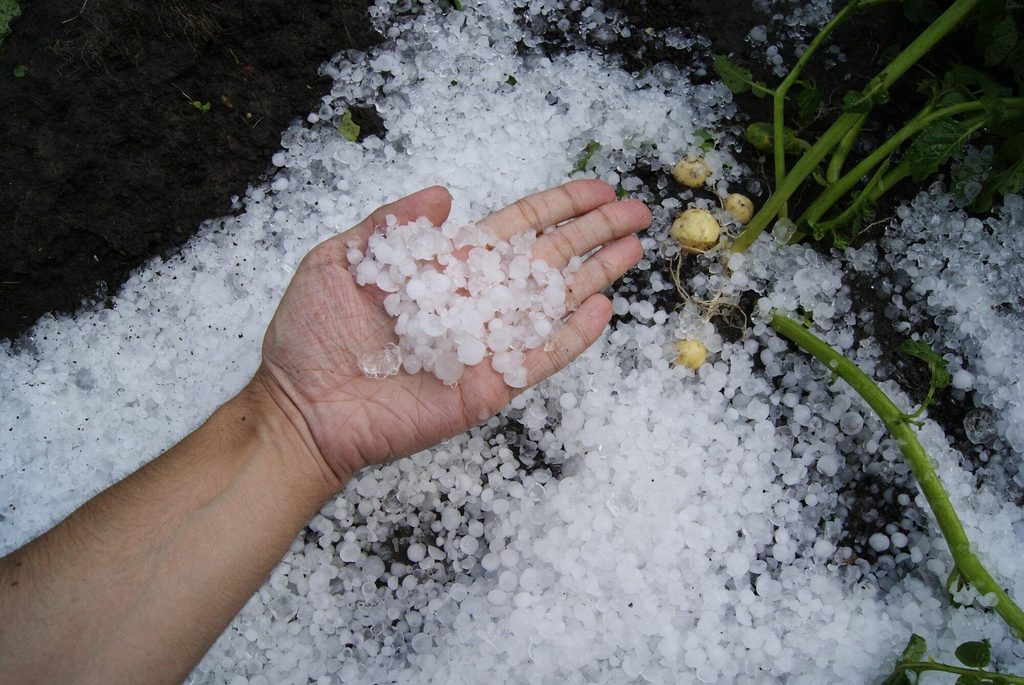
Have you ever wondered if your roof suffered damage during a hailstorm even when no leaks appear inside your home? Hail can leave small marks, cracks, and weak spots that are easy to miss from the ground. Strong winds can also loosen shingles and damage roof parts without causing an immediate problem.
These hidden issues may grow worse when rain and heat affect the roof over time. A careful roofing inspection after a storm can help protect your home. Learn these hidden signs to watch for and how to address them before they lead to costly repairs.
Why A Careful Roof Inspection Matters After A Storm
A roof may look fine after a storm, but that does not mean it is free from harm. Hailstones can hit shingles with enough force to remove their protective surface. Strong winds may also lift edges, loosen nails, or move roofing materials out of place.
Some types of storm damage are hard to see without a close look. Small marks may seem harmless at first, yet they can let water enter the roof over time. When moisture reaches the wood below, it can cause rot, mold, and costly repairs.
Checking your roof soon after bad weather helps you find problems while they are still small. It also gives you a clear record of the roof’s condition before more rain falls. A trained roofing expert can spot signs that an untrained person may easily miss.
Missing Granules On Shingles
One of the first signs of hail damage is the loss of small granules from roof shingles. These tiny pieces cover the surface and help protect the roof from sunlight and rain. When hailstones strike with force, they can knock granules loose and leave weak spots behind.
You may find these granules in your gutters, downspouts, or on the ground near your home. A few loose pieces may be normal as a roof gets older, but a large amount after a storm may point to damage. Look for dark patches on shingles where the top layer appears thin or worn.
Granule loss can shorten the life of your roof because it leaves the asphalt below open to the sun. Heat can make the exposed areas dry and weak, while rain may cause further wear. If you notice large patches of missing granules, ask a roofing expert to check the affected areas and suggest the right repair.
Dark Spots And Bruises On Shingles
Hail can leave dark spots on shingles even when it does not break through the material. These marks often appear where hailstones hit the roof with strong force. The impact can press down on the shingle and damage the layers below its surface.
Some bruises look like small round dents with darker centers. They may feel soft when gently checked by a trained roof inspector, while the areas around them remain firm. These marks can be difficult to see from the ground, especially when the roof has a dark color.
A bruised shingle may lose its strength even if it still looks whole. Repeated rain and heat can make the damaged spot crack or break as time passes. Finding these marks early can help prevent water from reaching the roof deck and causing deeper problems.
Cracked Or Split Shingle Surfaces
Hailstones can cause small cracks in shingles that are not easy to notice from below. The force of each impact may weaken the surface until it starts to split. Some cracks look like thin lines, while others appear as rough breaks across the shingle.
Temperature changes can make these cracks grow wider over time. During hot days, roofing materials expand, and they may shrink again when the air cools. This movement can place more stress on damaged spots and make them less able to keep water out.
Check for cracks around areas that show clear signs of impact from hail. Pay close attention to older shingles because they may already be dry or weak before the storm. A roof professional can tell if the damage needs a small repair or if a larger section should be replaced.
Loose Or Lifted Shingle Edges
High winds can lift the edges of shingles and break the seal that holds them in place. Hail and wind roof damage often happen during the same storm, making it important to check for both. Even a small lifted edge can give rain a way to move beneath the roof covering.
You may notice shingles that look uneven, curled, or slightly raised above the roof surface. Some may also have loose corners or appear out of line with nearby shingles. These changes can be hard to spot from the ground, so a close inspection is often needed.
Loose shingles can become a bigger problem during the next storm. More wind may pull them away, while rain can enter through the open spaces beneath them. A roofing contractor can secure or replace damaged materials and check nearby areas for other signs of trouble.
Damaged Roof Flashing And Metal Parts
Flashing is the metal material placed around roof edges, chimneys, vents, and other openings. It helps move rain away from places where water could enter the home. Hail can dent or bend these parts, while strong winds may loosen them from their proper position.
Look for dents, gaps, bent edges, and loose metal around roof features. Even a small opening near a chimney or vent can allow water to pass through during heavy rain. You should also check the metal strips near roof valleys, where water flows toward the gutters.
Damaged flashing can cause leaks even when the shingles around it look normal. Water may move along the roof deck before showing up as a stain on a ceiling. A proper inspection should include all metal parts because they play an important role in keeping the roof dry.
Gutter Dents And Loose Connections
Gutters may also show signs of hail and strong winds after a storm. Large hailstones can leave round dents along the metal surface, while flying debris may bend the edges. Strong winds can also pull gutters away from the roof and loosen the parts that hold them in place.
Check whether the gutters still follow a straight line along the roof edge. Look for loose brackets, cracks, holes, and signs of water spilling over the sides. You should also check the downspouts for dents or blockages that may stop rain from flowing away from the home.
Gutter damage matters because these parts guide rain away from your roof and foundation. If water cannot flow freely, it may collect near the roof edge and reach the wood below. Cleaning and repairing damaged gutters can help lower the risk of water damage after future storms.
Ceiling Stains And Attic Moisture
Some signs of roof damage only become clear inside the home. Hail may weaken shingles without causing a leak right away, but water can enter through damaged areas during later rain. As moisture builds, it may leave yellow or brown marks on ceilings and walls.
Check rooms directly below the roof for new stains, peeling paint, or damp spots. You can also look inside the attic for wet insulation, dark wood, or a musty smell. These signs may point to a leak, even if the roof looks normal from outside.
Do not ignore small stains because they can grow as more water enters the home. Moisture can damage wood, weaken ceiling materials, and create a place for mold to grow. If you find damp areas, contact a roof professional and arrange emergency roof repair when water is actively entering your home.
Hidden Damage Around Roof Vents And Ridge Caps
A roof inspection should begin with a safe check from the ground. Use binoculars to look for missing shingles, dark marks, bent flashing, and other changes across the roof. Walk around your home and check each side because hail and wind may affect some areas more than others.
You can also inspect the attic if it is safe to enter and has enough light. Look for water stains, wet wood, loose insulation, and small openings where daylight may pass through. Take clear photos of anything unusual so you can show the damage to a roofing contractor later.
Avoid climbing onto the roof after a storm, especially when the surface is wet or covered with loose materials. Hidden cracks and weak spots can make walking on the roof dangerous, even for someone who feels steady. A trained inspector has the right tools and safety gear to check hard-to-reach areas.
How To Spot Hidden Hail Damage During A Roof Inspection
Roof vents and ridge caps are often overlooked during a post-storm inspection. Hailstones can dent vent covers, crack plastic parts, or loosen the materials that protect roof openings. Strong winds may also shift ridge caps and expose small gaps along the roof’s highest points.
Check for dents, broken edges, loose covers, and missing pieces around these areas. Pay attention to the seals around vents, because damaged seals can let rain into the roof.
Damaged vents may also affect airflow in your attic and allow moisture to build up. Poor airflow can make the attic warmer and increase the chance of damp spots on nearby wood. Have a roofing professional inspect these parts and replace damaged materials before the next storm causes more harm.
What To Do When You Discover Hidden Hail Damage
Once you find signs of damage, take photos before making any repairs. Capture close views of dents, cracks, loose shingles, damaged gutters, and any water stains inside your home. Write down the date of the storm and keep notes about when you first noticed each problem.
Next, contact a qualified roofing contractor to check the roof and explain what needs attention. If you need storm damage roof repair, ask for a written report that lists the damaged areas and the work required.
Homeowners may also need to review their roof insurance claims after hail or wind damage. Contact your insurance company and ask about the steps, forms, and photos needed for a claim. Keep repair bills, inspection reports, and other records in one place so you can share them when asked.
Why Professional Inspections Help Reveal Hidden Roof Damage
The right roofing contractor can make a big difference when dealing with hidden storm damage. Choose a company with proper licenses, insurance, and experience in hail and wind roof damage.
If you live in Georgia, local roof experts can help you understand the damage caused by storms in your area. Homeowners who need help with storm-damaged roofs in Roswell can explore services that focus on finding and fixing storm-related roof problems. A local team may also know the common weather risks that affect homes in the area.
Be careful when someone offers a very low price or asks for full payment before work starts. Ask for a written agreement that explains the work, payment terms, and materials to be used. A reliable contractor should answer your questions and give you enough time to review the repair plan.
Protect Your Roof By Finding Hidden Hail Damage Early
Regular roof care can help you find weak spots before the next storm arrives. Have your roof checked at least once a year, and arrange another inspection after severe hail or strong winds. This can help you spot loose shingles, worn seals, and damaged flashing before they lead to leaks.
You should also keep gutters clear and remove branches that hang too close to the roof. Tree limbs can fall during strong winds and cause damage to shingles, gutters, and other roof parts. Keeping nearby trees trimmed can lower this risk and help protect your home during bad weather.
If your roof needs major work, ask about stronger materials and fortified roofing installation. While no roof is fully protected from every storm, choosing suitable materials and keeping them in good shape can improve long-term protection.
Protect Your Home Before Small Problems Grow
Hail damage does not always lead to an instant leak, so a roof can hide problems for weeks or months. Check for missing granules, dark bruises, cracks, loose shingles, damaged flashing, and dents in gutters after a storm. Also look inside your home for stains or damp spots.
Arrange a professional roofing inspection when you notice anything unusual, and keep photos and repair records for future needs. Acting early can help prevent rot, reduce repair costs, and keep your home safe.
Did this guide help you? Browse the rest of this section for more advice on a variety of topics.