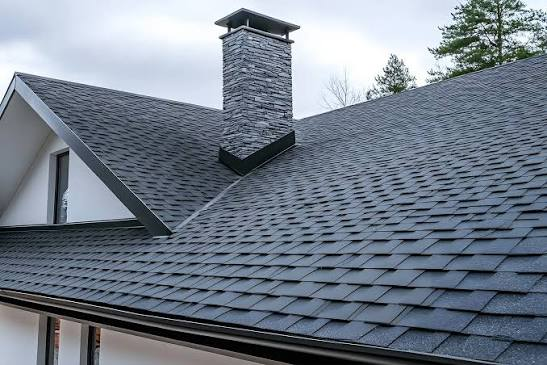
Your roof protects your property from heat, rain, wind, and other weather conditions. However, even the strongest roof can wear down without proper care. Small problems can slowly turn into costly damage if they go unnoticed.
Regular maintenance helps keep roofing materials in good condition and reduces the need for major repairs. It can also help your roof last longer and protect the building beneath it.
Whether you own a home or manage a commercial property, knowing how to care for your roof is important. These simple tips can help you prevent damage and save money over time.
Why Is Preventative Roof Maintenance Important?
A roof faces changing weather conditions every day. Strong sunlight, heavy rain, and wind can slowly weaken roofing materials. Without regular checks, small cracks and loose parts may become serious problems.
Preventative maintenance focuses on finding these issues early. Fixing a small leak is often much cheaper than replacing damaged insulation or ceiling materials. Regular care can also help prevent unexpected roof failures.
Another benefit is better planning. When you know your roof’s condition, you can prepare for future repairs instead of facing sudden expenses. This makes property maintenance easier to manage.
Routine care also helps protect your investment. A well-maintained roof may last closer to its expected service life. It can also support better indoor comfort and reduce water damage.
Schedule Regular Professional Roof Inspections
Professional inspections are an important part of roof maintenance. A trained professional for commercial roofing in Las Vegas can find damage that may not be visible from the ground. They can also check areas that are difficult or unsafe to reach.
Many property owners schedule inspections at least once or twice a year. The right schedule depends on the roof’s age, material, and local weather. Buildings exposed to strong storms may need extra checks.
During an inspection, the roofer should examine the roofing surface, flashing, drainage, and other key parts. They may also look for signs of moisture beneath the roof.
Ask for a written report after each visit. Photos and repair notes can help you understand the condition of your roof. Keeping these records makes it easier to track changes over time.
Keep Gutters and Roof Drains Clear
Gutters and drains move rainwater away from your roof and building. When leaves, dirt, and other debris block them, water may collect in the wrong places. This can lead to leaks and damage.
Blocked gutters may cause water to spill onto walls or gather near the foundation. Flat roofs can also develop standing water when drains stop working. Both problems can create costly repairs.
Check drainage areas regularly, especially before heavy rain. Remove debris safely and make sure water can flow through each outlet.
Useful drainage tasks include:
- Clear leaves from gutters
- Remove debris around drains
- Check downspout connections
- Look for standing water
- Inspect loose gutter brackets
Look for Cracks and Damaged Roofing Materials
Roofing materials can develop cracks, splits, and other damage as they age. Strong sunlight may cause some surfaces to dry out, while wind can loosen exposed edges. These problems may allow water to reach the layers beneath.
The warning signs depend on your roofing material. Asphalt shingles may curl or lose granules, while flat roof membranes may show bubbles or open seams.
Look for visible changes after severe weather. However, avoid walking on your roof without proper training and safety equipment.
A roofing professional can check whether damaged areas need repair or replacement. Treating problems early may prevent moisture from spreading into the building.
Even small cracks deserve attention. Water can enter through narrow openings and travel far from the original damage before becoming visible indoors.
Protect Your Roof Against Sun Damage
Sunlight is a major concern in hot climates. Roofing materials absorb heat during the day and cool down at night. These changes can cause materials to expand and shrink.
Over time, repeated movement may weaken certain surfaces and joints. Strong ultraviolet rays can also cause some roofing products to fade or become brittle.
Reflective roofing materials may help reduce heat buildup. Some roof coatings are designed to reflect sunlight and protect suitable surfaces from weather damage.
Check Flashing Around Roof Openings
Flashing protects areas where roofing materials meet chimneys, vents, skylights, and walls. These spots often face a higher risk of leaks because different building materials join together.
Metal flashing may loosen, bend, or develop gaps over time. Sealant around these areas can also crack after years of heat and weather exposure.
During regular maintenance, check for signs of rust, loose edges, and damaged seals. These problems may allow rainwater to enter hidden spaces.
Repairing flashing early can help protect nearby insulation and building materials. It may also prevent stains from appearing on interior walls and ceilings.
Remove Debris From the Roof Surface
Leaves, branches, dirt, and other materials can collect on roofs throughout the year. Wind may push debris into corners, valleys, and drainage areas. If left in place, this buildup can cause several problems.
Wet leaves can hold moisture against roofing materials. Branches may scratch protective surfaces or block the flow of rainwater. Heavy debris can also make routine inspections harder.
Check your roof after strong winds and nearby tree trimming. Arrange safe removal when large amounts of debris are present.
Keeping the surface clean helps workers identify cracks, loose materials, and other warning signs. It also reduces the risk of blocked drainage systems.
Avoid using sharp tools or harsh cleaning products on roofing materials. Improper cleaning can damage protective layers and create new problems.
Trim Trees Near Your Building
Trees provide shade and improve outdoor spaces, but branches growing close to a roof can cause damage. During storms, strong winds may push branches against roofing materials. Falling limbs can also break tiles or damage gutters.
Leaves from nearby trees often collect in roof valleys and drainage outlets. This can increase the need for cleaning and maintenance.
Trim branches that hang over or touch your roof. Keep enough space between the tree and building to reduce contact during windy weather.
Large trees should be handled by trained professionals. Cutting heavy branches without proper equipment can be dangerous.
Regular tree care protects more than the roofing surface. It can also help prevent damage to windows, siding, and outdoor equipment.
Watch for Signs of Water Damage Indoors
Roof problems do not always appear on the outside of a building. Water can move through insulation and structural spaces before reaching a visible surface. This makes indoor checks an important part of maintenance.
Look for stains on ceilings, peeling paint, or damp areas near walls. A musty smell may also suggest hidden moisture.
Some warning signs include:
- Brown stains on ceilings
- Peeling paint near walls
- Damp attic insulation
- Musty indoor odors
- Water around ceiling lights
Maintain Proper Roof Ventilation
Ventilation helps manage heat and moisture in certain roof spaces. Without enough airflow, warm air may build up in an attic. This can affect indoor comfort and place stress on some roofing materials.
Moisture can also become trapped when ventilation is poor. Over time, damp conditions may damage wood and insulation.
A suitable ventilation system may use vents near the roof’s lower and upper sections. These openings help air move through the space when designed correctly.
However, not all buildings need the same ventilation setup. Flat roofs and sealed roof systems may require different methods.
Ask a roofing professional to review your building before adding vents. Proper design is important for both airflow and weather protection.
Inspect Roof Seams and Protective Coatings
Flat and low-slope roofs often use large sheets of roofing material. These sheets are joined at seams that help keep water from entering. Over time, heat and movement can place stress on these connections.
Loose seams may allow moisture beneath the surface. Small openings can become larger when exposed to wind and rain.
Roof coatings also need regular checks. Some coatings may develop cracks, worn patches, or areas where the protective layer becomes thin.
A professional can inspect these surfaces and recommend suitable repairs. In some cases, a new coating may help protect a roof that is still in good condition.
However, coating a badly damaged roof will not solve hidden structural problems. The roof must be assessed before treatment.
Prepare Your Roof Before Storm Season
Strong storms can damage roofing systems in a short time. High winds may lift loose materials, while heavy rain can expose weak areas. Preparing before storm season can help reduce these risks.
Start with a professional roof inspection. Repair damaged flashing, loose roofing materials, and open seams before severe weather arrives.
Make sure gutters and drains are clear. Remove loose objects near the building that could become dangerous during strong winds.
Property owners should also check rooftop equipment. Air conditioning units and other systems must be properly secured.
Preparation does not guarantee that a roof will avoid storm damage. However, it can reduce preventable problems and help the building handle harsh conditions.
Check Your Roof After Severe Weather
Storms can cause damage that is not clear right away. A roof may look normal from the ground while hidden areas have loose materials or damaged seals.
After a major storm, begin by checking for visible damage from a safe location. Look for fallen branches, loose gutters, or roofing pieces on the ground.
Check interior rooms for new water stains or leaks. If you notice a serious problem, contact a roofing professional promptly.
Take photos of visible damage when it is safe to do so. These records may help with repair planning or an insurance claim.
Avoid climbing onto a damaged roof. Wet surfaces, loose materials, and hidden weak spots can create serious safety risks.
Keep Rooftop Equipment in Good Condition
Commercial roofs often support air conditioning systems, vents, and other equipment. These features can make roof maintenance more complex. Workers may also need to walk across the roof to service them.
Heavy foot traffic can damage some roofing materials. Tools and equipment may scratch surfaces or weaken protective coatings.
Use approved walkways where needed. Make sure service workers understand how to protect the roofing system while completing their tasks.
Check areas around equipment supports and roof openings during inspections. These spots may develop leaks if seals or flashing become damaged.
Plan equipment maintenance with roof care in mind. Good coordination can reduce damage and help avoid unnecessary repairs.
Plan Repairs Before Small Problems Grow
Delaying roof repairs can turn minor damage into a major expense. A small opening may allow water to reach insulation, wood, or interior walls. Repairs become more difficult once moisture spreads.
Create a maintenance budget that includes routine checks and small repairs. Set aside extra funds for unexpected damage after storms.
When a problem appears, ask a professional to explain the available repair options. Some issues can be fixed quickly, while others may require replacing larger sections.
Before approving repairs, review:
- Scope of planned repairs
- Materials needed for work
- Expected repair costs
- Estimated project schedule
- Warranty terms and coverage
Clear agreements help prevent confusion during the project. They also make future maintenance records easier to understand.
Know When Roof Replacement Makes More Sense
Regular maintenance can extend a roof’s useful life, but no roofing system lasts forever. Materials eventually wear down, and repeated repairs may stop being cost-effective.
A roof with widespread cracks, frequent leaks, or serious water damage may need replacement. The decision should depend on its condition rather than age alone.
Ask a qualified roofer to compare repair costs with the price of a new system. A full replacement may offer better value when several areas are failing.
Also consider energy performance and future maintenance needs. Newer materials may offer stronger heat protection or improved weather resistance.
Planning a replacement before an emergency gives you more time to compare products and contractors. It can also help you avoid rushed decisions and unexpected costs.
Protect Your Roof for Years to Come
A longer-lasting roof starts with regular care and attention to small problems. Clean drainage systems, strong flashing, proper ventilation, and timely repairs all help protect your building.
The most effective maintenance plan matches your roofing material, local weather, and property needs. Scheduling inspections and keeping clear records can help you avoid costly surprises.
Want more ways to protect your property and reduce repair costs? Explore our other blog posts for simple roofing tips, practical maintenance guides, and helpful advice for keeping your building in great condition!