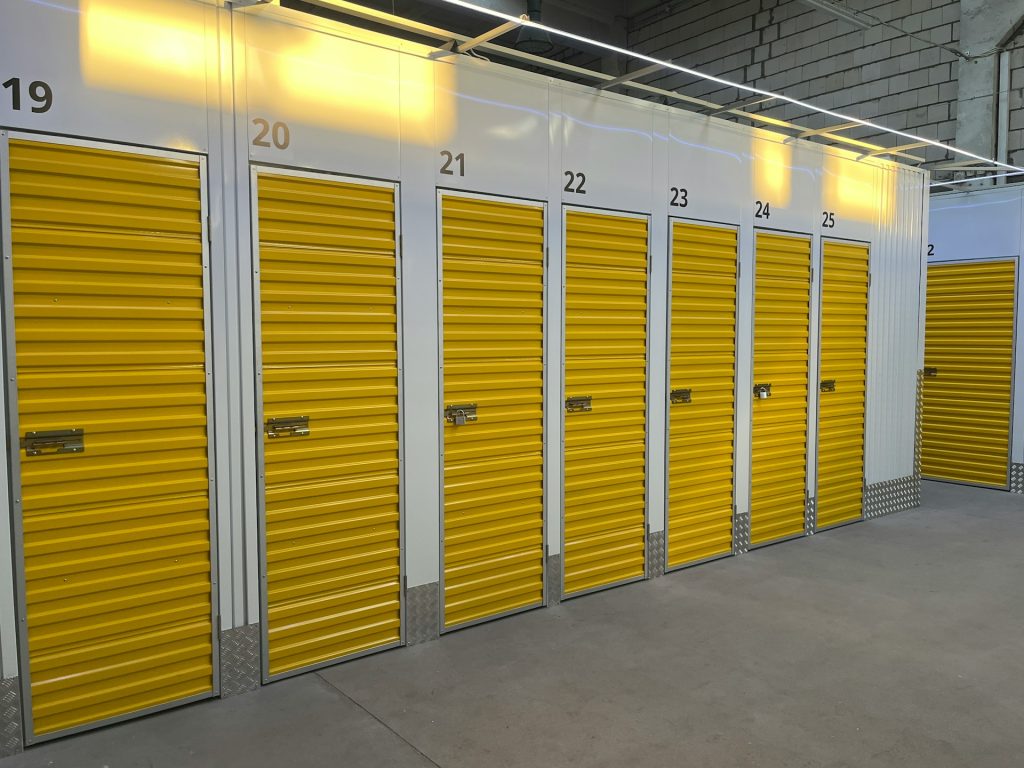
A storage unit should feel like an extra room, not a mystery box. With a bit of planning, you can fit more inside and still grab what you need quickly. These steps will help you find secure storage units near Stow and then use every inch wisely.
Start With A Simple Plan Before You Move In
Good organization starts before the first box goes inside. You should decide which items you will need to reach often, such as seasonal clothes or business supplies. Those pieces belong near the front of the unit or along an easy pathway.
Larger, heavier items you rarely use should be stored against the back wall. Couches, dressers, and long-term file boxes can anchor your layout. This keeps your center space open and reduces the need to move heavy pieces later.
Think of the unit like a small garage or extra closet. You want clear zones for different types of belongings. This simple plan will guide the rest of your setup and keep the space from turning into a pile.
Use Shelving And Vertical Space Wisely
Shelving is one of the best tools for a tidy unit. Sturdy metal or plastic shelves let you stack boxes without crushing anything. They also make it easier to see labels and grab items from the middle of a stack.
Try to use the full height of the space. Lighter items can sit on high shelves, while heavier boxes stay closer to the floor. This maximizes the rent you pay for the unit and prevents top-heavy piles.
Leave a bit of space between the back wall and your shelves. This helps air circulate and keeps moisture from getting trapped. It also gives you a small gap to check for any signs of leaks or pests.
Choose The Right Boxes And Bins
Using similar-sized boxes makes stacking safer and neater. When boxes match, they support each other and do not tilt or slide as easily. This simple step helps you avoid damaged items and leaning piles.
Clear plastic bins work well for items you use often. You can see what is inside at a glance, even if a label falls off. They also protect against dust and light moisture better than old cardboard.
Make sure every container has a clear label on more than one side. List the main items, not just “miscellaneous.” You will thank yourself later when you are standing in the unit trying to find one thing in a hurry.
Protect Your Belongings From Damage
Protecting your items is just as important as fitting them in. Use covers or old sheets to shield furniture from dust and scratches. Wrap fragile items in bubble wrap or soft cloth before boxing them.
Keep items off the bare floor when possible. Pallets or plastic mats help protect boxes from small leaks or dampness. Even a slight barrier can prevent moisture from seeping into cardboard over time.
Avoid stacking heavy boxes on top of lighter ones. Overloaded stacks can crush items and make boxes hard to move. If something is valuable or fragile, mark it clearly and keep it near the top of a short stack.
Create Paths And Group Similar Items
A storage unit works best when you can walk inside and move around a bit. Leave a center aisle or at least a narrow path from the door to the back. This way, you can reach almost anything without climbing over boxes.
Group items by category, such as holidays, kids’ clothes, sports gear, or business records. You might also group by season or by room of the house. Choose a system that makes sense to you and stick with it.
Many people searching for storage units, Stow, Ohio, plan to keep items stored for months or years. A little extra thought now will save you hours of digging later. Clear paths and sensible groups make that possible.
Make An Inventory And A Simple Map
It is easy to forget what you put into storage after a few months. A written or digital inventory keeps you from buying duplicates. You can note which box each item is in and where that box sits in the unit.
Draw a simple sketch of the layout when you finish organizing. Mark the shelves, large furniture, and main box groups. You do not need artwork; just a quick map to jog your memory later.
Keep a copy of the list and map at home and a photo on your phone. When you need something, you can check before you ever drive to the unit. This small habit saves time and reduces stress.
Conclusion
A well-organized storage unit gives you extra space without extra headaches. With a clear layout, good containers, and simple labels, you can protect your belongings and find them quickly. When you find secure storage units near Stow and use these methods, your unit becomes a practical tool instead of a cluttered problem.