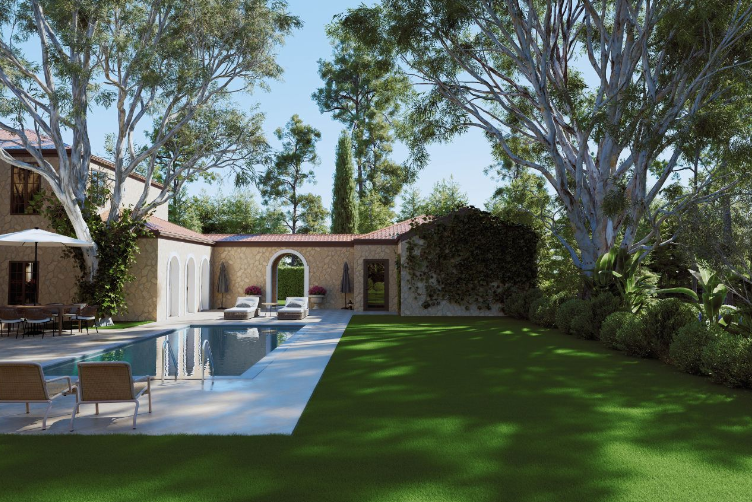
A luxury garden room should feel like a natural extension of your home and garden, rather than a separate building placed at the end of your lawn. With thoughtful landscape design, the right materials and carefully selected planting, it can become an attractive focal point that enhances your entire outdoor space.
The most successful designs consider the bigger picture from the beginning. Specialists offering bespoke garden rooms from Designer Garden Rooms demonstrate how combining garden room design with professional landscaping can create a seamless transition between indoor and outdoor living.
Whether you’re planning a peaceful garden retreat, home office or entertainment space, these landscaping ideas will help your new garden room complement the surrounding landscape.
1. Choose the Right Location for Your Garden Room
Positioning is one of the most important decisions when integrating a garden room into an existing landscape.
Consider how the building will appear from the main house, particularly through frequently used windows. A carefully positioned garden room can frame attractive views, while poor placement may interrupt the natural flow of the garden.
Sunlight is equally important. A south-facing position can provide plenty of natural light, although excessive solar gain may require shading. Dappled light beneath established trees can create a peaceful setting, provided structural foundations and root systems are properly considered.
Think about access, privacy and drainage before finalising the right location. Leave enough space for pathways, planting and future maintenance.
2. Match Architectural Materials to Your Landscape
The materials used in your garden building significantly influence how naturally it blends into the surrounding environment.
Timber cladding is particularly effective because its warmth and texture complement established trees, greenery and natural stone. Contemporary garden rooms can also incorporate composite cladding, expansive glazing and understated architectural finishes.
A cohesive colour palette creates visual continuity across the garden landscape. Earthy greens, charcoal grey and muted timber tones often sit comfortably alongside natural materials and surrounding planting.
For a more contemporary garden design, consider repeating materials already used around the house.
Matching paving, timber details or exterior colours helps establish a relationship between the main house, garden room and outdoor living space.
3. Create a Seamless Transition with Garden Pathways
Paths do more than provide access. They establish movement, connect different areas and influence how visitors experience your garden.
Stepping stones set within grass or gravel create an informal route towards the garden room. Larger porcelain paving slabs provide a more structured appearance, particularly in modern landscape design.
Where appropriate, using the same paving material across a patio and garden room entrance creates a seamless transition between spaces.
The pathway should feel natural rather than unnecessarily direct. Gentle curves can introduce visual interest while guiding visitors through planting schemes.
Consider incorporating lighting along the route to improve visibility during darker evenings, especially when the building is used year round.
4. Use Layered Planting to Soften the Building
Garden room landscaping works best when planting is considered alongside the architecture.
Without surrounding greenery, even beautifully designed garden buildings can appear disconnected from their setting.
Layered planting introduces depth, texture and seasonal colour. Combine evergreen shrubs with ornamental grasses, flowering perennials and carefully selected native plants suited to the local climate.
Lower-growing plants around the base of the building can soften its edges, while taller planting creates vertical interest without necessarily obscuring the architecture.
Climbing plants, including climbing roses, can add natural beauty when supported by suitable structures. Avoid allowing vigorous climbers to interfere with external cladding or ventilation.
Pollinator plants and seasonal blooms introduce movement and colour, while potted plants provide flexibility around entrances and seating areas.
The objective is to make the garden room feel established within the landscape.
5. Connect the Garden Room with Hard Landscaping
Hard landscaping creates the structural framework connecting your new building to the wider garden.
A carefully designed patio or composite decking area can extend the usable footprint of a garden room, providing somewhere to relax or entertain outdoors.
Raised beds can help define boundaries without completely separating the building from the surrounding landscape. Natural stone, timber edging and complementary paving materials introduce texture while maintaining architectural consistency.
Water features can add another dimension to luxury garden landscaping.
A small contemporary water feature positioned near a seating area can create a calming atmosphere, while a larger feature may become a focal point within a spacious garden.
Balance is important. Hard landscaping should complement planting rather than dominate the outdoor space.
6. Incorporate Outdoor Lighting into the Design
Lighting makes all the difference when creating a garden room that looks attractive throughout the evening.
Instead of relying on one bright external light, use several lighting layers to enhance different parts of the landscape.
Warm outdoor lighting positioned around the garden room entrance provides practical illumination. Subtle uplighting can highlight established trees, architectural features or carefully selected plants.
Low-level pathway lighting helps guide movement between the house and garden building.
Fairy lights may add atmosphere around sheltered seating areas, while discreet solar lights can introduce visual interest in locations receiving sufficient sunlight.
For dependable year-round illumination, consider professionally installed outdoor lighting with suitable weather protection.
The aim is to create an inviting atmosphere without overwhelming the garden’s natural beauty.
7. Create Functional Outdoor Living Zones
A luxury garden room becomes more useful when its surrounding landscape supports the activities taking place inside.
For example, an entertainment room could open onto a patio with outdoor seating and dining space. A garden office might benefit from a secluded seating area surrounded by greenery.
Separate zones can be introduced using planting borders, changes in paving or strategically positioned raised beds.
Large windows and glazed doors strengthen the visual connection between interior and exterior spaces, helping the garden room feel like a natural extension of the home.
Even a small garden can accommodate different functions through careful planning.
Rather than allowing every feature to compete for attention, establish a clear purpose for each area and maintain comfortable circulation between them.
8. Avoid Common Garden Room Landscaping Mistakes
Several common mistakes can undermine an otherwise attractive garden room design.
Positioning the building without considering existing sightlines may make the garden feel smaller or visually unbalanced.
Choosing too many contrasting materials can also disrupt the relationship between the structure and surrounding landscape.
Other mistakes include overcrowding planting beds, restricting maintenance access and overlooking drainage around the building.
Finally, avoid treating landscaping as an afterthought. Designing the building, pathways, patio and planting together allows materials and levels to be coordinated before construction begins.
A well-balanced garden should provide visual appeal while remaining practical and easy to maintain.
Conclusion
Integrating a luxury garden room into your landscape design requires more than choosing an attractive building. Positioning, architectural materials, layered planting, thoughtful lighting and connected outdoor living areas all contribute to the finished result.
By considering the garden as a complete environment, you can create a functional outdoor space that feels established, elegant and connected to your home.
The best garden rooms don’t simply occupy space within a landscape. They become an integral part of it.
Frequently Asked Questions:
How do you make a garden room blend into the landscape?
Use natural materials, complementary colours, layered planting and connected pathways. Matching architectural finishes with existing garden features helps create visual continuity.
What plants work well around a garden room?
Evergreen shrubs, ornamental grasses, climbing plants and seasonal flowering perennials can soften the building’s appearance. Choose plants suited to local soil, sunlight and weather conditions.
Should landscaping be completed before installing a garden room?
Ideally, both should be planned together. Groundworks, drainage, foundations and access requirements should be addressed before completing the surrounding patio, pathways and planting.