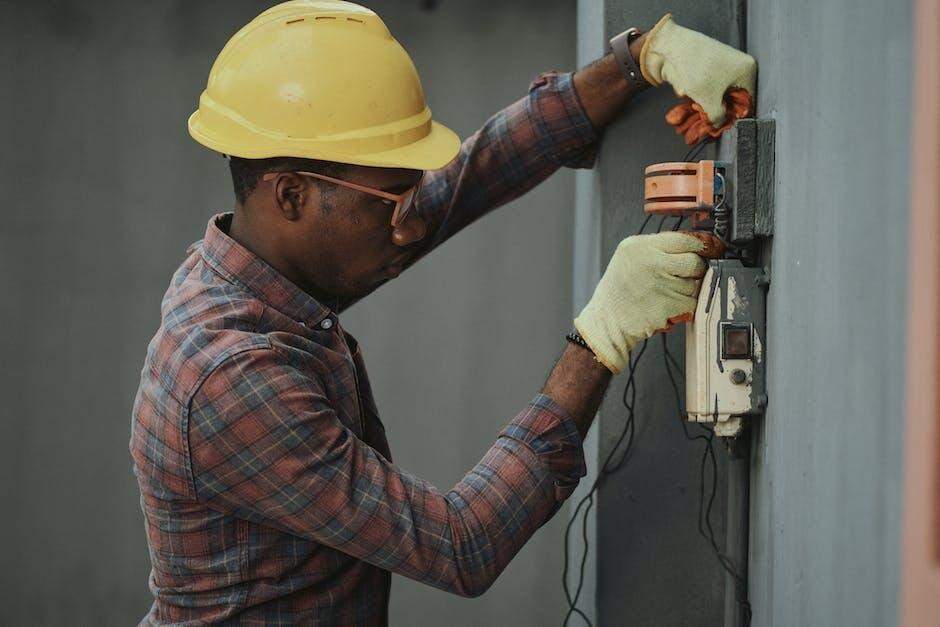
Home renovations can make a space more useful, comfortable, and modern. New lighting, outlets, appliances, and layouts can all improve daily life.
Electrical work, however, needs careful planning. Poor wiring or overloaded circuits can create serious safety risks. Taking the right steps early can help keep the project safer and reduce costly problems later.
Understand Local Electrical Codes
Electrical codes set the safety rules for wiring, outlets, panels, and other systems.
These rules can vary by location, so it is important to know which standards apply before work begins.
Codes may cover where outlets can be placed, what type of wiring is allowed, and how certain rooms must be protected.
Bathrooms, kitchens, garages, and outdoor areas often have extra safety requirements because water or heavy equipment may be present.
Permits and inspections may also be required.
Following local rules helps make sure the renovation is completed safely and can prevent problems during future property inspections or sales.
Hire a Qualified Electrical Professional
Electrical work should be handled by someone with the right training and license.
Before choosing a contractor, check their qualifications, experience, and reviews. Ask whether they are familiar with renovation work and local code requirements.
A qualified electrician can also help spot older wiring or panel issues that may not be obvious at first.
Homeowners comparing local electrical services may come across providers such as https://shockwave-electrical.ca/ while researching who can handle planned electrical upgrades.
The most important step is to choose someone who is properly licensed and able to explain the work clearly.
Plan Electrical Needs Before Work Starts
Good planning can prevent delays once walls, floors, or ceilings are opened.
Think about how each room will be used. You may need extra outlets for office equipment, kitchen appliances, televisions, chargers, or lighting.
It is also useful to think about future needs.
Adding wiring during a renovation is often easier than opening finished walls later.
Your electrician can help determine whether the existing panel and circuits can support added demand.
Make sure the electrical budget is included from the start. Cutting corners on wiring or safety upgrades can create larger costs later.
A clear plan keeps the work organized and helps avoid rushed decisions.
Keep the Work Area Safe During Renovation
Renovation sites can become crowded with tools, cables, dust, and building materials.
Electrical panels and shutoff points should remain easy to reach at all times.
Power should be disconnected before electrical systems are worked on. This should be handled carefully by a qualified person.
Temporary extension cords should also be kept away from wet areas and busy walkways.
Regular inspections can help catch problems before walls are closed.
If old wiring, damaged outlets, or signs of overheating are found, they should be checked before work continues.
Keeping the area organized can also reduce the chance of accidents involving tools or exposed systems.
Conclusion: Make Safety Part of the Renovation Plan
Electrical safety should be treated as a core part of any home renovation.
Following local codes, hiring qualified professionals, planning electrical needs early, and keeping the work area safe can all reduce risk.
It also helps to think beyond the current project. Safe wiring and enough electrical capacity can make the home easier to use for years to come.
A successful renovation is not only about appearance. It should also leave the home safer, more reliable, and ready for everyday use.