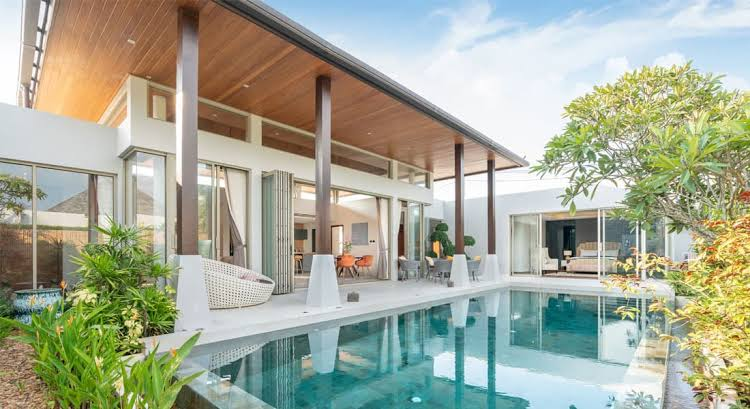
Luxury real estate and design content has a particular challenge: the subject is often visually impressive before the story begins. A cliffside villa, a penthouse, a sculptural staircase, or a landscaped estate can attract attention immediately, but the production still has to explain why the property matters. Good property storytelling is not only a tour. It is a guided experience of space, lifestyle, craftsmanship, and place.
For an audience interested in luxury homes, architecture, development, and lifestyle, the details matter. A buyer, designer, agent, or enthusiast may want to understand flow, light, privacy, materials, views, neighborhood context, and how the home supports daily life. Production planning turns those details into a sequence that feels elegant and easy to follow.
The Pinnacle List publishes around the intersection of luxury real estate, design, property features, and lifestyle. That makes a production-led approach especially relevant. The article, video, and visual assets should help the audience move through the property as if each space has a purpose, not as if the camera is simply collecting expensive surfaces.
Treat the property as a story of movement
A home is not experienced as a set of isolated rooms. People arrive, enter, look through a space, move toward light, gather in social areas, retreat to private rooms, and connect with outdoor views. A strong property video follows that movement. It helps the viewer understand how the home works before it asks them to admire finishes.
This means the production plan should begin with the route. The crew should know what the viewer sees first, where the reveal happens, how scale is established, and which transitions make the layout clear. A confusing route can make even a remarkable property feel fragmented. A clear route helps the audience remember the home.
Movement also helps the camera avoid becoming static. Slow tracking shots, restrained pans, and purposeful cutaways can make architecture feel alive. The goal is not constant motion. It is controlled motion that reflects how someone would actually experience the property.
Use light to explain design intent
Luxury homes often depend on light as much as materials. Morning light may reveal a kitchen and breakfast terrace. Afternoon sun may define a pool, garden, or west-facing living room. Evening light may explain why a dining room or city-view terrace feels special. If the production ignores natural light, it may miss the property’s strongest feature.
A practical schedule should map the important rooms to the best time of day. It should also consider reflections, shadow, window exposure, weather, and whether artificial lighting needs to supplement the scene. Real estate content can look flat when every room is filmed as quickly as possible. A luxury property deserves more deliberate timing.
On the World Production Service platform, real estate video production can be planned around light, architecture, camera movement, and post-production delivery so the final piece shows more than square footage.
Balance architecture with lifestyle
A property feature should respect the architecture, but it should also help viewers imagine life inside the home. A pristine room can be beautiful and still feel distant. A carefully placed book, a prepared dining table, a pool towel, a lit fireplace, or a quiet moment on a balcony can make the property feel inhabited without making it look staged.
The balance depends on the property type. A contemporary glass house may need restraint and clean compositions. A Mediterranean villa may need warmth, outdoor dining, and connection to landscape. A city penthouse may need energy, skyline context, and evening atmosphere. A resort-style estate may need to show entertainment, privacy, and transitions between indoor and outdoor space.
Lifestyle elements should never hide the design. They should clarify how the design supports living. When styling, talent, or props become too dominant, the viewer may lose the architecture. When the home feels completely empty, the viewer may lose the lifestyle. The production plan has to hold both.
Show materials honestly
Luxury audiences often notice material quality. Stone, timber, metal, glass, textiles, joinery, and landscape work all communicate value. These details need close coverage, but they also need context. A tight shot of marble means more when the viewer has already seen where it sits in the room and how it relates to light, touch, or use.
Honest material coverage is especially important because overly glossy footage can make every surface look similar. The crew should capture texture, scale, reflection, and craftsmanship without relying only on high contrast or heavy grading. The editor should protect natural color enough for the viewer to understand the actual property.
If the home includes bespoke furniture, art, custom lighting, or landscape architecture, those elements should be connected to the broader design. A detail should not feel like an unrelated insert. It should help explain the personality of the residence.
Make exterior and neighborhood context useful
Luxury real estate is rarely only about the building. Ocean access, mountain views, city proximity, privacy, security, schools, restaurants, marinas, golf courses, and cultural districts can all influence the story. The production should decide which contextual details matter and capture them with the same care as the interiors.
Drone footage can help, but it should not become a substitute for storytelling. Aerial views are useful when they explain land, orientation, privacy, water access, or relationship to surrounding features. If they simply show a beautiful roof from above, they may add spectacle without information.
Neighborhood context also has to be accurate. A property can be marketed through aspiration, but misleading proximity or exaggerated lifestyle claims can weaken trust. The better approach is to show the real advantages clearly and let the property’s setting do the persuasive work.
Plan versions for agents, buyers, and publishers
A luxury property shoot may need more than one finished asset. An agent may need a hero film, vertical social cuts, still frames, listing clips, a short teaser, and editorial images. A publisher may need a more story-led version. A developer may need brand assets for investors or future buyers. If these versions are planned after filming, the team may not have the right shots.
The brief should define platforms, aspect ratios, music rights, caption needs, thumbnail moments, and approval responsibilities before production begins. A vertical social cut may need different framing than a widescreen property film. A publication may need clean detail images and less promotional language. A sales team may need a stronger emphasis on layout and amenities.
This kind of planning makes the shoot more efficient. The crew can capture wide architectural sequences, lifestyle details, agent-friendly highlights, and social moments during the same production window without making the final package feel repetitive.
Protect privacy, permissions, and trust
Luxury property content often involves privacy concerns that ordinary marketing shoots may not face. Owners, residents, neighbors, designers, artists, and agents may all have different expectations about what can appear on camera. The production plan should make those limits clear before the crew arrives, especially when filming private collections, security features, addresses, family spaces, or views that identify the location too precisely.
Permissions are not only a legal detail. They also affect trust. If a property is represented carefully, the audience senses professionalism. If the content reveals too much, exaggerates access, or shows details that later need to be removed, the final story can feel careless. High-end real estate depends on confidence, and production choices should support that confidence.
This is also important for publisher use. Editorial teams may need clean images without visible personal items, license plates, protected artwork, or restricted brand marks. Sales teams may need versions that reveal less than the public feature. Agents may need fast approval from multiple stakeholders. A production workflow that anticipates these needs can prevent expensive revisions.
The result is a property story that still feels open and persuasive, but not intrusive. Viewers understand the lifestyle and design value while the people connected to the property remain protected.
Coordinate international property shoots carefully
High-end property content often crosses markets. A residence may be designed by an international architect, marketed to overseas buyers, filmed by a local crew, approved by an agency in another country, and published for a global audience. Each layer can add complexity if the workflow is not organized early.
Permissions, property access, neighborhood filming, drone rules, talent releases, art rights, music, and brand approvals should be handled before the shoot. Luxury locations can have strict privacy expectations. A small oversight can delay publication or limit how the content can be used.
For property brands and agencies working across regions, international production support through World Production Service can help align local logistics with a consistent creative standard.
Conclusion
A luxury property becomes more compelling when the production helps viewers understand how the space works, not only how it looks. The best real estate content guides the audience through movement, light, materials, lifestyle, and setting with enough restraint to let the property speak.
When production planning connects architecture with lived experience, the final piece can serve agents, buyers, publishers, and design audiences at the same time. It gives the property a story that feels polished, credible, and memorable.
Frequently Asked Questions
Why does luxury real estate video need a clear route
A clear route helps viewers understand layout and flow. Without it, even a beautiful property can feel fragmented. Planned movement makes the home easier to remember and helps each room connect to the next.
How should production handle natural light in property content
The team should schedule important spaces around the light that best explains them. Morning, afternoon, and evening light can change the mood and function of a room, so the production plan should protect the strongest moments.
Should luxury property videos include people
People can help when they show scale, lifestyle, or use of space. They should not distract from the architecture. Subtle human presence often works better than obvious staged performance.
What makes property detail shots useful
Detail shots are useful when they explain materials, craftsmanship, or design intent. They should be connected to the room or experience, not inserted as disconnected close-ups.
How can one property shoot create several marketing assets
The team should plan all required formats before filming, including hero video, vertical clips, stills, teasers, listing assets, and publisher-friendly images. That lets the crew capture the right coverage in one organized shoot.