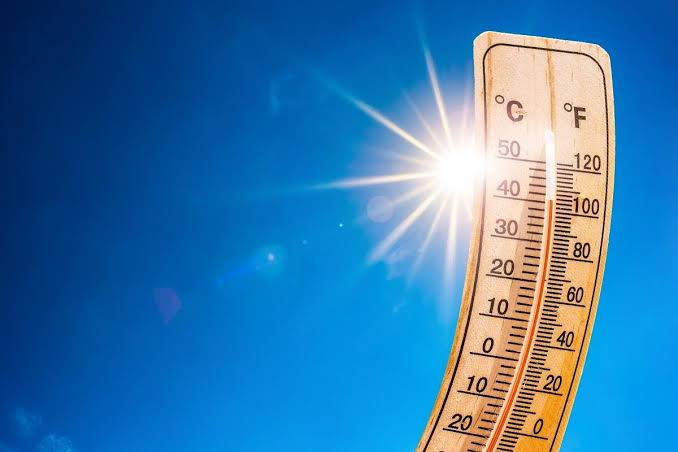
Extreme heat affects more than indoor comfort. It places added stress on the systems that keep a home functioning properly day after day.
When temperatures remain high for extended periods, wear develops faster and maintenance needs increase. Understanding these effects can help homeowners prevent costly repairs and improve long term performance.
Home Systems Most Affected by Extreme Heat
Many home systems are designed to handle seasonal temperature changes, but prolonged heat creates additional strain. Homeowners often rely on a maintenance company in Dubai to identify vulnerable areas before small issues turn into larger problems.
- Air Conditioning Systems: Operate longer hours and face increased wear.
- Electrical Components: Handle heavier loads during periods of peak usage.
- Plumbing Systems: Heat can affect pipes, fittings, and water pressure.
- Roofing Materials: Constant sun exposure accelerates material deterioration.
- Windows and Seals: High temperatures can weaken protective barriers.
- Water Heaters: Excessive heat may affect performance and efficiency.
- Outdoor Equipment: Faces continuous exposure to harsh weather conditions.
Common Ways Extreme Heat Impacts Home Performance
High temperatures create challenges throughout a property. While some effects appear immediately, others develop gradually and become noticeable only after months of exposure.
Air Conditioners Face Constant Demand
Cooling systems often work harder than any other household equipment during periods of extreme heat. In some regions, they operate for hours without meaningful downtime.
This continuous operation increases stress on mechanical components such as compressors, motors, and fan assemblies. Over time, efficiency declines and maintenance needs increase.
Electrical Systems Experience Higher Loads
As temperatures rise, electricity usage typically increases as well. Air conditioners, refrigerators, and other appliances consume more power to maintain normal operation.
The added demand places pressure on electrical infrastructure throughout the home. Older systems may become more vulnerable to performance issues during peak usage periods.
Plumbing Components Expand and Contract
Heat affects plumbing materials in ways that are not always visible. Pipes and fittings naturally expand when temperatures rise and contract when conditions cool.
Repeated movement can place stress on pipe connections and seals. Over time, this may contribute to leaks or other maintenance concerns.
Roofing Materials Break Down Faster
A roof absorbs direct sunlight throughout the day. Surface temperatures often become significantly hotter than the surrounding air.
Prolonged exposure accelerates material deterioration in roofing products, sealants, and protective coatings. This can shorten service life and increase maintenance requirements.
Windows and Insulation Become Less Effective
Windows play an important role in regulating indoor temperatures. When seals begin to weaken, unwanted heat can enter more easily.
Compromised seals reduce energy efficiency and force cooling systems to work harder. This often contributes to higher utility costs and reduced comfort.
Outdoor Fixtures Require More Attention
Outdoor lighting, irrigation systems, and mechanical equipment remain exposed to the elements year round. Heat, sunlight, and dust all contribute to gradual wear.
Without regular inspections, weather related damage can affect performance and reliability. Minor issues often become more expensive when left unresolved.
Why Preventive Maintenance Matters During Hot Weather
Extreme heat tends to expose weaknesses that may remain hidden during cooler seasons. Preventive maintenance helps homeowners identify and address those concerns early.
1. Small Problems Escalate Faster
A loose fitting, worn seal, or clogged component may seem insignificant at first. Under increased seasonal demand, however, small issues can develop quickly.
Routine inspections help detect early warning signs before they become major repairs. Addressing concerns early often reduces both cost and inconvenience.
2. Energy Efficiency Starts to Decline
Home systems become less efficient when operating under continuous stress. Dust buildup, restricted airflow, and aging parts all affect performance.
Even minor inefficiencies can increase energy consumption over time. The impact often becomes noticeable through higher monthly utility bills.
3. Equipment Lifespan Can Be Reduced
Every system experiences normal wear. Extreme heat accelerates that process by increasing operating demands and reducing recovery time between cycles.
Preventive maintenance helps protect long term reliability by ensuring systems operate as efficiently as possible throughout the season.
4. Indoor Comfort Becomes Harder to Maintain
Many homeowners first notice problems through comfort changes. Certain rooms may become warmer while cooling equipment runs longer than expected.
These symptoms often indicate performance issues that should be addressed before they worsen. Early maintenance can restore comfort and efficiency.
5. Emergency Repairs Become More Common
Unexpected breakdowns frequently occur during periods of peak demand. This is when home systems are working the hardest and have the least margin for error.
Regular servicing reduces the risk of unexpected failures by identifying vulnerable components before they stop working altogether.
6. Seasonal Inspections Improve Reliability
Seasonal inspections provide an opportunity to assess multiple systems before temperatures reach their highest levels. Small adjustments today can prevent larger issues tomorrow.
Many homeowners choose wefixuae.com to evaluate system performance and address developing concerns before summer places additional strain on the home.
A proactive approach supports consistent performance across critical systems and helps reduce the likelihood of emergency repairs during the hottest months.
Practical Steps Homeowners Can Take Before Peak Heat
Preparing for extreme temperatures does not require major renovations. A few preventive measures can help protect important systems and reduce seasonal stress.
- Schedule HVAC inspections: Identify cooling issues before summer demand increases.
- Check electrical panels: Ensure wiring and breakers handle seasonal loads safely.
- Inspect roof condition: Look for damage, cracks, or signs of material wear.
- Seal gaps around windows: Reduce heat transfer and improve energy efficiency.
- Clean outdoor units: Remove dust and debris that can restrict airflow.
- Monitor water pressure: Detect plumbing issues before they become costly repairs.
- Test thermostats: Confirm accurate temperature control and system performance.
- Address minor repairs early: Prevent small maintenance issues from escalating.
Conclusion
Extreme heat affects nearly every major system in a home, from cooling equipment and electrical components to roofing and plumbing. Regular inspections and preventive maintenance help reduce wear, improve efficiency, and lower the risk of unexpected breakdowns. Taking action before temperatures peak can protect your investment, improve comfort, and keep essential systems operating reliably throughout the hottest months of the year.