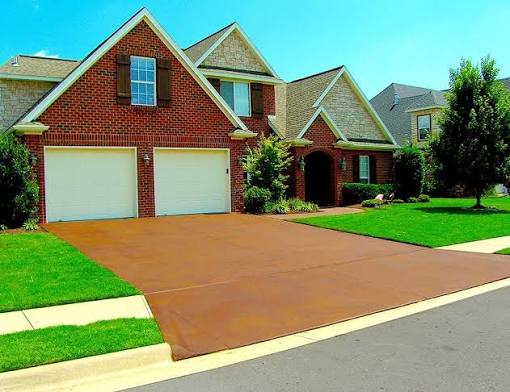
When homeowners think about increasing the value of their property, their attention often turns to kitchens, bathrooms, flooring, and other interior renovations. While these improvements can certainly make a difference, some of the most noticeable upgrades are found outside the home. Concrete features such as driveways, patios, walkways, steps, and decorative surfaces can dramatically influence both curb appeal and the overall impression a property makes on potential buyers.
Concrete has evolved far beyond the plain gray surfaces traditionally associated with sidewalks and foundations. Modern techniques allow homeowners to choose from a wide range of colors, textures, patterns, and finishes. When designed thoughtfully, concrete can complement a home’s architecture, improve the functionality of outdoor spaces, and create a more polished appearance.
Here are some of the ways well-designed concrete features can contribute to a home’s appearance and potentially increase its marketability.
1. A Well-Designed Driveway Creates a Strong First Impression
The driveway is often one of the largest visible surfaces at the front of a property. Because of its size and location, its condition can have a significant effect on how the entire home is perceived.
A driveway that is badly cracked, uneven, stained, or deteriorating can make an otherwise attractive property appear neglected. In contrast, a clean and professionally installed concrete driveway creates a more finished appearance and can immediately improve curb appeal.
Homeowners also have more design choices than they may realize. Instead of installing a basic concrete slab, decorative borders, exposed aggregate, subtle coloring, or stamped sections can be incorporated into the design.
The goal does not necessarily have to be creating an elaborate driveway. In many cases, simple, clean concrete that complements the home’s architecture is enough to significantly improve the appearance of the property.
Durability is another advantage. When properly installed and maintained, a concrete driveway can provide decades of service, making it an improvement that combines appearance with long-term functionality.
2. Decorative Concrete Can Complement the Architecture
Concrete is remarkably versatile from a design perspective.
Stamped concrete, for example, can replicate the appearance of natural stone, slate, brick, or other materials while maintaining many of the practical advantages of concrete. Homeowners can also choose from different colors, textures, scoring patterns, and finishing techniques.
These options allow exterior concrete to become part of the architectural design rather than simply serving as a functional surface.
A modern home might pair well with large concrete sections, clean lines, and subtle colors. A more traditional property could incorporate stamped concrete that resembles stone or brick. Contemporary outdoor spaces might combine concrete with wood, landscaping, metal, and natural stone.
The most successful designs tend to complement the house rather than compete with it. Concrete should help connect the landscaping, architecture, and outdoor spaces into a cohesive overall design.
3. Patios Can Expand a Home’s Usable Living Space
Outdoor living has become an increasingly important part of residential design. Homeowners often want spaces where they can entertain guests, cook outdoors, relax, or simply enjoy their property.
A thoughtfully designed concrete patio can effectively create another living area outside the house.
Depending on the available space, patios can accommodate dining tables, lounge furniture, fire features, outdoor kitchens, grills, and other amenities. Decorative finishes can also make the patio feel more like an intentional extension of the home rather than a basic slab in the backyard.
This can be particularly valuable when preparing a property for sale. Buyers aren’t simply evaluating the square footage inside the house; they are imagining how they could use the entire property.
A well-designed patio helps them visualize the backyard as usable living space.
It can also create a natural transition between indoor and outdoor areas. Large doors opening onto a finished patio, for example, can make both spaces feel larger and more connected.
4. Walkways Help Create a More Finished Property
Walkways may represent a relatively small portion of a home’s exterior, but they have an important visual and practical role.
A clear walkway from the driveway or sidewalk to the front entrance creates a natural path through the property. It can also make landscaping appear more organized and intentional.
Concrete walkways can be designed to coordinate with other features around the home. A stamped border used on the driveway, for example, might continue along the walkway. Similar colors or textures can also be incorporated into patios and entry areas.
This consistency helps create visual continuity throughout the property.
Walkways also provide an opportunity to integrate landscaping. Curved paths, planting beds, landscape lighting, and decorative concrete can work together to create an attractive approach to the home.
Because buyers begin forming opinions before they walk through the front door, details like these can contribute significantly to the overall impression of the property.
5. The Front Entrance Can Become a Focal Point
The front entrance is naturally one of the most important areas of a home’s exterior.
Concrete steps, porches, landings, and walkways can all be designed to draw attention toward the entrance and create a welcoming appearance.
Replacing deteriorated steps or updating an outdated concrete porch can sometimes have a surprisingly large visual impact. Decorative finishes can also be used selectively to create interest without overwhelming the architecture.
For homeowners considering significant exterior improvements, professional installation is particularly important in climates that experience seasonal temperature changes. Working with an experienced Billings concrete company can help ensure that factors such as site preparation, drainage, reinforcement, and freeze-thaw conditions are considered before exterior concrete is installed.
These details aren’t as visually exciting as choosing a color or stamped pattern, but they can have a major influence on how well the finished concrete performs over time.
6. Concrete Can Help Define Outdoor Spaces
Large yards sometimes lack clearly defined areas, especially when landscaping is minimal.
Concrete can provide structure.
A patio establishes an entertainment area. Walkways create natural routes through the property. Concrete borders can separate landscaping from functional spaces, while pads can provide designated areas for grills, seating, sheds, or other features.
This organization can make the property feel more thoughtfully designed.
Homeowners can also combine concrete with contrasting materials. Grass, gravel, stone, wood, and landscape beds can soften the appearance of concrete while creating visual separation between different outdoor areas.
The result is often more attractive than simply covering a large portion of the property with one continuous surface.
7. Condition Matters as Much as Design
Installing new decorative concrete isn’t always necessary to improve curb appeal.
Existing concrete should first be evaluated to determine whether it can be repaired or restored.
Minor cracks, discoloration, worn surfaces, and damaged joints may sometimes be addressed without completely replacing the concrete. Other problems, such as significant settlement, widespread cracking, or structural deterioration, may indicate that replacement is the better long-term option.
This distinction matters when preparing a property for sale.
A homeowner may not receive a worthwhile return from replacing every older concrete surface simply because it isn’t perfect. However, visibly damaged concrete near prominent areas such as the driveway or front entrance can negatively affect a buyer’s first impression.
The best improvements usually balance appearance, functionality, cost, and expected longevity.
8. Quality Installation Protects the Investment
Concrete may appear simple once finished, but the quality of the completed surface depends heavily on what happens before and during installation.
Site preparation, base material, drainage, reinforcement, concrete thickness, joint placement, finishing, and curing can all influence long-term performance.
Climate matters as well.
Concrete expands and contracts as temperatures change. In regions that experience freezing winters, moisture entering concrete and repeatedly freezing and thawing can contribute to deterioration. Proper installation practices and appropriate materials therefore become particularly important.
Drainage should also be considered carefully. Exterior concrete needs to direct water appropriately rather than allowing it to collect near foundations, garages, or other structures.
Spending more on decorative finishes provides little benefit if the underlying installation is poor. Homeowners should prioritize proper construction first and aesthetics second.
9. Cohesive Improvements Often Have the Greatest Impact
One of the easiest mistakes to make with exterior renovations is viewing every project independently.
The driveway gets one style. The walkway gets another. A patio is installed years later using completely different materials. Eventually, the property can begin to look disconnected.
A more effective approach is to consider how exterior elements work together.
They don’t have to match perfectly. Instead, they should share enough characteristics to create visual consistency. Similar colors, complementary textures, repeating borders, or consistent design lines can tie separate areas together.
This is especially important with luxury and higher-end properties, where buyers often notice the overall quality and cohesiveness of the design.
Concrete Offers Both Practical and Visual Value
The most valuable home improvements are often those that provide more than one benefit.
Concrete features can improve everyday functionality while simultaneously enhancing the appearance of a property. A driveway provides parking while contributing to curb appeal. A walkway improves access while guiding visitors toward the entrance. A patio provides entertainment space while making the backyard more attractive.
Homeowners also have considerable flexibility in deciding how far to take the design. Some properties benefit from understated traditional concrete, while others are well suited for decorative finishes, architectural patterns, or custom outdoor living areas.
Ultimately, the objective should be to create exterior spaces that feel intentional, durable, and appropriate for the home.
When concrete features are properly designed and installed, they can improve far more than the surface beneath your feet. They can help create a stronger first impression, make outdoor areas more useful, and contribute to the overall appeal and perceived value of the property.