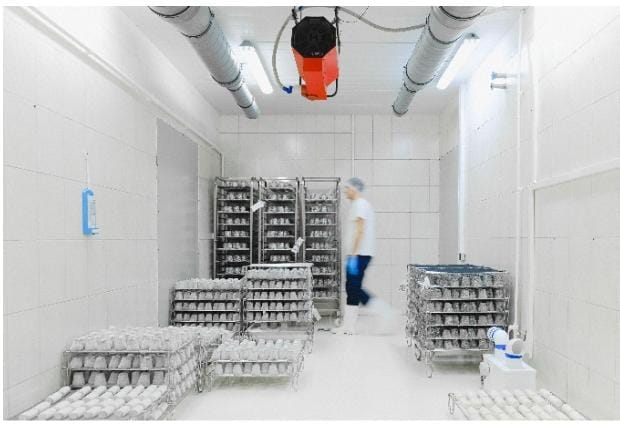
The proper functioning of temperature-controlled commercial areas, cold rooms, walk-in coolers, and refrigeration facilities is not solely dependent on the proper functioning of the compressor. Seals, insulation, refrigeration equipment, and other systems contribute in their own ways, and failure in any of them could result in stock losses, high costs in electricity, or even failure of inspection.
In this piece, we look at some important maintenance tasks for these areas, the reasons why they are important, and how frequently they should be done.
The Importance of Preventive Maintenance
There are very few instances of the cold room failing completely. Typically, what happens is the drifting away of things that need to be maintained in an optimal condition. There may be an overworked compressor, there may be a leak in a seal, or the temperature may rise steadily enough for it to go unnoticed until damage has been done.
This is where preventive maintenance comes in handy. Instead of being reactive, the idea is to know the behaviour of your system when everything is fine in order to notice a deviation from it.
Door Seals & Gasket
The door seals have often been forgotten in cold rooms because they look good when they have already lost their functionality. Rubber seals become hardened and cracked due to constant temperature changes, so even a slight gap will be enough to admit the humid air which will make the compressor work more than needed.
A simple paper test can still be done here. Place the paper on the door and see if you feel any resistance. Another clue to watch out for is frost forming close to the door seals.
Refrigeration System Checks
The refrigerator is the workhorse, so it needs to be checked regularly. The condenser coils accumulate dirt and grease over time, especially if it is located in the kitchen or industrial environment, and a dirty coil cannot radiate heat efficiently. Regular cleaning is usually recommended during servicing.
Apart from the cleaning, there are several symptoms that need to be monitored:
- Refrigerant needs frequent top-ups since refrigerant isn’t consumed during normal operation, so a drop typically indicates a leak.
- Compressors cycling on and off more often than usual, which can be a sign the system is working harder to hold the temperature
- Unusual noise or vibration from the unit
None of these are dramatic in isolation, but together they can be an early indication that something needs attention.
Insulation and Structural Integrity
An insulation problem is not always easy to spot. The panels may look fine from the outside, but by then water would have got into them and degraded the quality of the panels to maintain an adequate temperature. This is most common in old cold rooms, where over time the panels tend to shift at their joints.
Taking a walk around the perimeter of the room and testing for wet or discoloured areas, or even condensation on the outside of the panels, is one way to get an idea if a problem exists. When it comes to pinpointing any leakage, thermal imaging in a cold room leak detection process is the way to go.
Monitoring Systems and Data Logging
Without a functional monitoring system in place, an unmonitored cold room is essentially operating blindly between its physical inspection intervals. The use of digital thermometers and remote alarm systems is a typical approach used nowadays, especially by organisations that keep perishable or regulated stocks.
The benefit of such continuous monitoring is not the paper trail but rather the fact that it can detect temperature deviations early on, when there is still plenty of time for investigation.
Creating a Practical Maintenance Plan
It does not have to be overly complex to get the job done. As a rule of thumb, a combination of regular visual inspection, periodic seal/airflow check-ups, and occasional professional inspection typically addresses most potential points of failure. The actual frequency depends on the equipment type, the facility, and the manufacturer’s guidelines, but it is usually better to stay consistent rather than accurate in this respect, since problems usually reveal themselves through gaps in the schedule.
It is also recommended to take maintenance record-keeping more seriously. With time, certain trends may appear – like a particular piece of equipment having to be serviced during specific times of year, for example.
Conclusion
Controlled temperature environments can tolerate a lot, but only until they can’t anymore. Companies that do not end up failing because of expensive mistakes tend to be those companies where maintenance is considered a continuous process instead of one made necessary by problems. The checking of seals, cooling systems, insulation, and monitoring can all come together to create predictable processes which are ultimately the objective of cold storage.