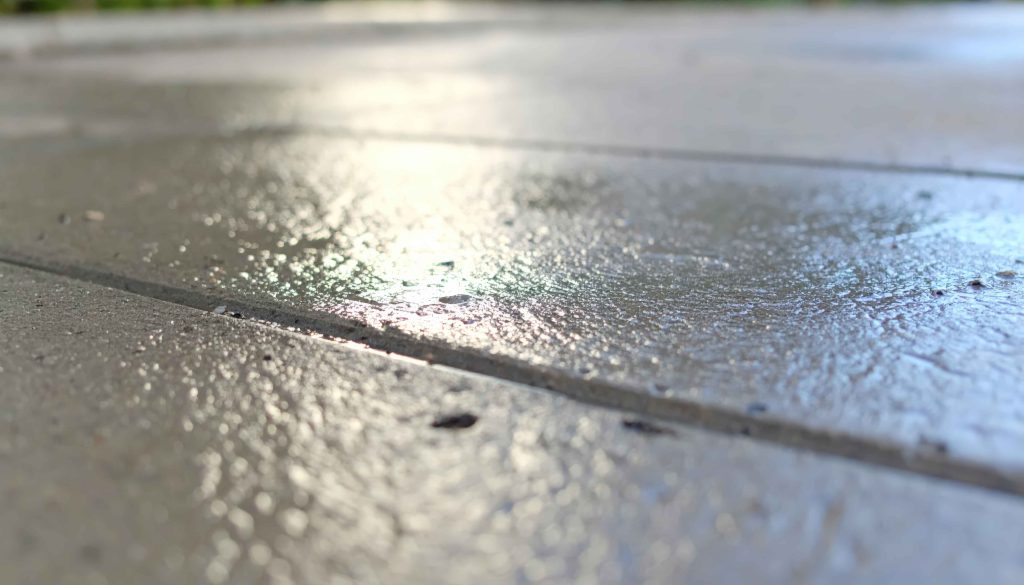
Sustainable surface protection has become essential for modern homeowners seeking durability without harming the environment. These advanced sealers shield patios, walls, and driveways from weather while aligning with 2026’s green building trends.
Why Surfaces Need Protection Now
Outdoor elements like rain, UV rays, and freeze-thaw cycles erode concrete, wood, brick, and stone over time. Without proper barriers, cracks form, leading to costly repairs and a faded appearance that clashes with curated home aesthetics. Eco-conscious options now offer long-lasting protection, matching traditional products in strength while reducing volatile organic compound emissions.
Homeowners in humid or coastal areas face accelerated wear from salt and moisture. Sealers penetrate deeply to repel water and stains, preserving natural textures on stucco, pavers, and masonry. This maintenance step enhances curb appeal, which is vital for spaces that blend indoor-outdoor living, a popular feature in current designs.
Benefits of Green Sealing Choices
Low-VOC formulas reduce air pollution during application and use, improving family health by minimizing chemical off-gassing. Many are derived from plant-based or renewable sources, reducing reliance on petroleum products common in older sealers.
Durability stands out: these products resist fading, peeling, and mildew for years, often outlasting solvent-based alternatives. They maintain breathability, allowing moisture vapor to escape and preventing trapped moisture that can cause spalling in concrete or rot in wood.
In 2026, such innovations support regenerative home goals, where materials actively benefit ecosystems rather than just avoiding harm. Rainguard eco-friendly surface sealers exemplify this approach with formulations that prioritize low environmental impact alongside superior performance. Projections show sustainable home products growing by more than 6% annually, driven by demand for resilient, low-impact exteriors.
Selecting the Right Type
Match the sealer to your surface for optimal results. Natural-finish versions suit matte stone, brick, or pavers, enhancing subtle veining without gloss buildup. Semi-satin or satin sheens work well on painted or stucco walls, adding subtle luster that complements contemporary facades.
Concrete and wood benefit from penetrating formulas that harden surfaces internally against abrasion. For salt-prone areas, specialized barriers block efflorescence while keeping substrates dry. Test a small patch first to ensure compatibility, as porosity varies by age and material.
Consider finish preferences: unglazed looks preserve rustic charm on outdoor kitchens or garden paths, while a slight sheen elevates pool decks. Coverage rates typically range from 200 to 400 square feet per gallon, depending on surface roughness.
Step-by-Step Application Guide
Preparation sets the foundation. Clean surfaces thoroughly with a pressure washer and mild detergent to remove dirt, oils, or old coatings. Allow full drying, usually 24-48 hours, and repair cracks with compatible fillers.
Apply in mild weather, above 50°F with low humidity, using a sprayer, roller, or brush for even coats. Start with a saturation coat, then add one or two more wet-on-wet passes. Back-rolling ensures uniform penetration in textured areas, such as pavers.
Foot traffic resumes in 24 hours, vehicles after 72; full cure takes seven days. Avoid pooling to prevent slippery spots. Reapply every 3-5 years based on exposure, extending surface life significantly.
Integrating with Sustainable Design
Pair sealed exteriors with permeable pavers or native plantings for water-efficient yards. These treatments enhance biophilic trends, where durable, natural-looking surfaces frame greenery without synthetic interference.
In multi-generational homes, non-toxic sealers create safe play areas free from harsh chemicals. They align with net-zero pushes, reducing repaint frequency and waste. Track performance with simple inspections to maintain that fresh, protected vibe year round.
Long-Term Maintenance Tips
Routine sweeping prevents grit abrasion. Spot-clean spills promptly with pH-neutral solutions to avoid etching. Annual inspections reveal wear early, especially in high traffic zones.
For wood decks, trim nearby overgrowth to limit moisture retention. Concrete driveways stay vibrant longer with shaded parking to curb UV damage. These habits maximize investment while upholding eco standards.
Homeowners embracing these practices report fewer repairs and heightened property value amid rising sustainability focus. Protected surfaces weather storms gracefully, keeping exteriors as inviting as interiors.