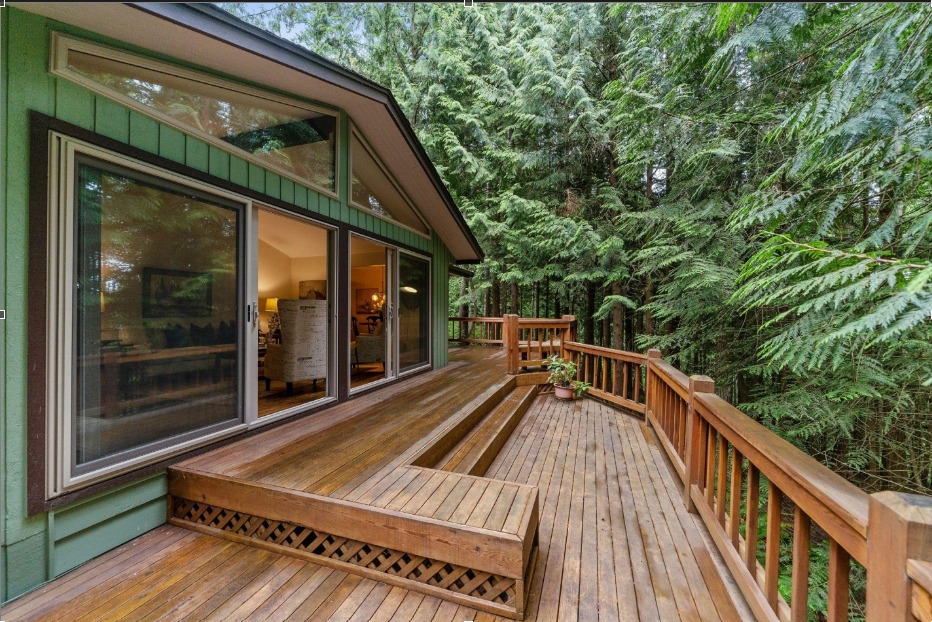
Photo by Im3rd Media on Unsplash
The most memorable luxury homes rarely rely on a single showstopping feature. Instead, they’re shaped by a collection of thoughtful design decisions that work together to create a cohesive, elevated living experience. Architectural wood elements, premium materials, and carefully executed finishing details all contribute to a home that feels as exceptional as it looks.
Whether you’re building from the ground up or renovating an existing space, these design details can have a lasting impact on both aesthetics and long-term value.
What Makes a Home Feel Luxurious: Key Luxury Home Design Elements
Before looking at specific features, it helps to define what “luxury” actually means in residential design. It is not a single style or price point. Instead, luxury homes tend to share three qualities:
- Intentionality. Every material, fixture, and finish is chosen for a reason, not filled in as an afterthought.
- Consistency. The same level of care applies to a closet door as it does to the front entry.
- Premium Materials. High-quality wood products provide the durability, stability, and refined appearance expected in luxury homes.
Architectural Details That Define Luxury Home Design
High-end homes are built around proportion before decoration. Ceiling heights, window placement, and room-to-room sightlines are planned so spaces feel balanced rather than oversized or cramped.
Common architectural details in standout luxury homes include:
- Coffered or beamed ceilings that add depth without lowering perceived height
- Symmetrical window arrangements that frame views and control natural light
- Transitional spaces, such as a gallery hallway or foyer, that create a sense of arrival
Good proportion is one of the few design decisions that cannot be corrected later with furniture or paint, which is why it is treated as a priority from the earliest architectural plans.
Luxury Home Materials: Doors, Mouldings, Trim & Hardware
Materials are where luxury homes separate themselves most clearly from standard builds. Natural stone, solid wood, and metal finishes are chosen not just for appearance but for how they perform over decades. Within this category, doors, mouldings, trim, millwork, and hardware carry more weight than most homeowners expect, since they touch nearly every room in the house.
Custom Wood Doors
Interior and exterior doors set the tone for a home before a visitor even steps inside. In luxury builds, doors are rarely pulled from a standard catalogue. They are sized, profiled, and finished to match the architectural style of the home, whether that is a modern flat-slab design, a traditional raised panel, or something built around a specific wood species and stain.
This is an area where a company like BRENLO is worth knowing. Brenlo is a high-end wood door supplier that crafts custom doors built to suit the structural and design needs of luxurious homes across a range of styles, from transitional to contemporary to classic. Their process starts with the home’s actual requirements, sizing, wood species, hardware prep, and finish, so the finished doorswork with the architecture instead of around it.
Custom Mouldings and Trim Details
Crown moulding, baseboards, casing, and wainscoting add depth and rhythm to a room that flat walls cannot achieve on their own. In higher-end homes, these profiles are often custom-sized to the ceiling height and room proportions rather than installed at a standard depth throughout the house. Consistent trim detailing from room to room is one of the simplest ways to make a home feel deliberately designed rather than assembled from a builder’s default package.
Custom Millwork in High-End Homes
Millwork covers the broader category of custom wood elements built into a home; built-in bookshelves, window casings, wainscoting, coffered ceiling beams, and paneled walls. Because these pieces are typically made to measure for a specific space, they allow a level of architectural detail that off-the-shelf carpentry cannot match, and they are one of the clearest indicators of a custom-built home versus a production build.
Luxury Door and Cabinet Hardware Finishes
Door and cabinet hardware are small in scale but highly visible, which makes finish consistency important. Matching hinges, handles, and hooks across a home, in a finish that suits the wood tone and overall palette, prevents the mismatched look that can undercut an otherwise well-designed space. Weight and mechanism quality matter as well. Hardware on a well-built door should feel solid and operate smoothly, since this is one of the few design details a homeowner interacts with physically every day.
Beyond doors, mouldings, trim, millwork, and hardware, other material choices that consistently appear in luxury builds include:
- Book-matched stone slabs on kitchen islands and bathroom vanities
- Solid hardwood flooring, often with a wide plank or herringbone layout
- Hand-applied plaster or textured wall finishes in place of standard drywall paint
Luxury Lighting Design Ideas for High-End Homes
Lighting in a luxury home is planned as part of the architecture, not added after construction. Layered lighting, ambient, task, and accent, allows a single room to shift mood depending on the time of day or occasion.
Details that tend to signal thoughtful lighting design include:
- Recessed lighting placed to avoid glare on artwork or reflective surfaces
- Dimmable, tunable-white systems that adjust color temperature throughout the day
- Statement fixtures used sparingly, in entries or over islands, rather than repeated throughout the home
Luxury Kitchen and Bathroom Design Details
Kitchens and primary bathrooms are where buyers and designers scrutinize detail most closely, since these rooms combine heavy daily use with high visual impact.
In kitchens, this often means furniture-style cabinetry, integrated appliances, and hardware finishes that match across the entire space rather than being selected room by room. In bathrooms, freestanding tubs, curbless showers, and heated flooring are common, along with stone or tile work that continues from the floor up the wall to avoid visual breaks.
Smart Home Technology and Energy-Efficient Features
Modern luxury homes increasingly treat technology and efficiency as design features rather than hidden infrastructure. Integrated climate control, whole-home audio and automated shading are built into the architecture during planning rather than retrofitted.
Energy performance has also become part of the luxury conversation. High-performance windows, insulation, and HVAC systems reduce long-term operating costs while supporting a quieter, more comfortable home. Homeowners and builders in Canada evaluating these upgrades can review efficiency standards and product certifications through Natural Resources Canada’s ENERGY STAR page, which outlines performance benchmarks for windows, doors, and skylights sold in Canada.
Wellness and Universal Design Features in Luxury Homes
A growing number of luxury homes incorporate wellness-focused and universal design principles, features that support comfort and accessibility at every stage of life without looking clinical or institutional.
Examples include:
- Wider doorways and hallways that accommodate mobility devices without altering the home’s aesthetic
- Zero-step entries integrated into the original architectural plan
- Dedicated wellness spaces, such as saunas, cold plunge rooms, or fitness studios with proper ventilation and drainage
Designers looking to incorporate these principles thoughtfully, rather than as an obvious retrofit, often reference general design and planning resources such as the Royal Architectural Institute of Canada, which publishes guidance on residential design standards and best practices.
Outdoor Living Spaces and Landscape Design
In luxury homes, the transition between indoor and outdoor space is treated as its own design category. Large-format sliding or pivoting doors, covered outdoor kitchens, and consistent flooring materials across thresholds all help blur the line between the interior and the landscape.
Landscaping itself is planned with the same intentionality as the interior, using structured plantings, defined sightlines, and outdoor lighting that extends the architectural language of the house into the yard.
Luxury Home Design FAQs
What is the most important design detail in a luxury home?
There is no single detail that defines luxury on its own. Proportion, material quality, and consistency across every room tend to matter more than any individual feature.
Do luxury homes need custom millwork?
Not strictly, but custom trim, doors, and mouldings are one of the most common ways builders add a tailored, high-end look.
Are smart home features considered a luxury standard now?
Integrated technology has become common in higher-end homes, but it is typically planned during construction rather than added afterward, which is part of what separates it from a standard upgrade.
The Details That Define Luxury
Luxury home design is rarely the result of a single statement piece. Instead, it’s created through a series of thoughtful decisions that work together to achieve a cohesive, timeless result. From proportion and material selection to lighting, architectural details, and seamlessly integrated technology, every element contributes to the overall experience. The homes that leave a lasting impression aren’t necessarily the most extravagant—they’re the ones where every detail has been considered with purpose.