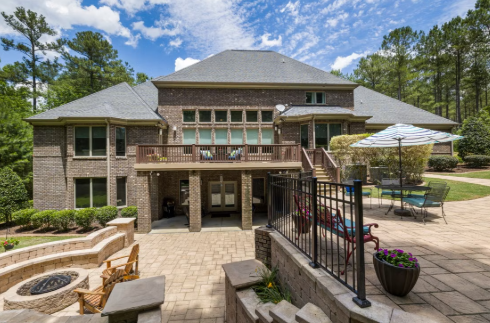
Image courtesy of Pexels
Patios fail at the joints and the base. The material on top makes less difference than you’d think, and what’s underneath matters more. The type of patio base you create will depend on how long it will last.
Concrete Paver Benefits
Pavers are a safe bet for most backyards. Popular brands like Belgard and Pavestone make 60 mm thick pavers in common sizes like 6×9 and 12×12 that work well for most patio footprints. Because sand holds each paver in place, you can quickly reset sunken or cracked pavers within minutes. Concrete slabs can’t do that.
Patterns like running bonds or herringbone create a more defined patio surface. We like herringbone because the pattern locks the pavers together well enough to support occasional use by a grill cart or an infrequent car pass-by. Fill joints with polymeric sand, and touch up after the first big rainstorm.
Poured Concrete and Finishes and Crack Control
Concrete costs less per square foot and offers a clean, modern look. People commonly use a broom finish, a troweled or polished finish, and a saw-cut grid that can coordinate with the windows and door openings of the house. Concrete will eventually crack.
Control joints installed every 8 to 10 feet dictate where concrete will crack; without them, the concrete will crack in all directions. A commercial paving company will seal concrete every two to three years with a penetrating sealer to preserve color and protect from winter salt that can cause concrete to spall.
Natural Flagstone Aesthetics
For the most naturalistic look, irregularly shaped flagstone set on stone dust over crushed aggregate next to a garden looks relaxed and informal. Set flagstone over mortar and concrete for a more formal look that won’t move. Expect to pay about double for a patio set on mortar over concrete. Dark-colored pavers can get hot in direct sun, while bluestone and sandstone stay cooler. Seal pavers every three years to preserve color and prevent weeds from taking hold in joints.
Who You Should Hire
For smaller patios, a landscape contractor should have no problem. For larger patios or more complicated projects that might include a patio, driveway apron, and pool deck poured at the same time, consider getting a second quote. Commercial paving crews bring plate compactors and other equipment suited to bigger jobs and will do a better job of compacting aggregate and maintaining the same grade over 1,000 square feet than a two-man landscaping team.
The Base Decides Everything
For a paver patio, dig about seven to nine inches deep. Fill with four to six inches of compacted crushed aggregate and one inch of sand. Slope the surface about 1/8″ per foot away from the house. Not compacting aggregate is the biggest reason patios settle and collect water within just two years.
Edge Restraints and Maintenance
You should install edge restraints around the perimeter of a paver patio to prevent the outermost row of pavers from creeping out within a year. Seal pavers every three years to preserve color and prevent weeds from taking hold in joints. Weeds could cause further damage not only to the surface but also to the underlying structure that keeps pavers in place. A well-built patio can last 25 years. A poorly built patio will need to be redone in five years.