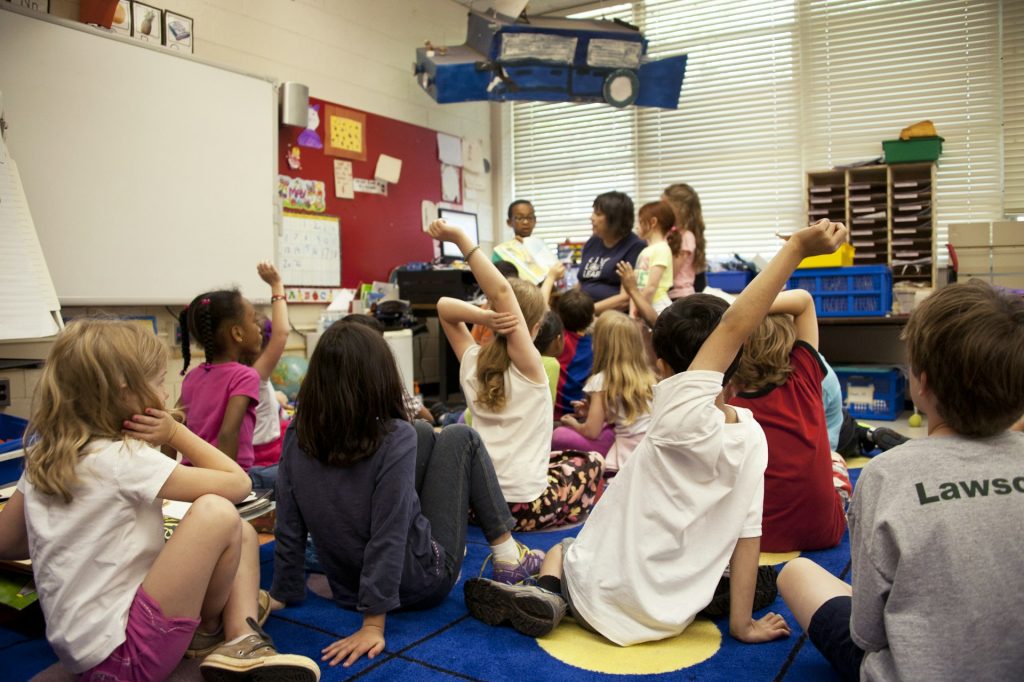
Preschool dance classes work best when movement feels like play. Young children learn through imagination, repetition, music, and hands-on experiences, which means the most effective classes are active, simple, and full of creative prompts. The right preschool movement activities help children build coordination, balance, rhythm, listening skills, body awareness, and confidence while keeping the class joyful and age-appropriate.
At this age, dance is not about perfect technique. It is about helping children discover what their bodies can do. A preschool dancer may not remember a full routine, but they can learn to jump safely, freeze on cue, move in different directions, copy a rhythm, take turns, and express ideas through motion. These are important foundations for future dance training and overall physical development.
Why Movement Activities Matter in Preschool Dance
Preschoolers are naturally active, but they still need guidance to move safely and purposefully. Movement activities give children a structured way to explore energy, space, timing, and coordination. They also support social and emotional growth because children practice listening, sharing space, following directions, and participating in a group.
Strong preschool movement activities can help children develop:
- Balance and stability
- Gross motor coordination
- Rhythm and musical awareness
- Spatial awareness
- Body part recognition
- Focus and self-control
- Confidence and creativity
- Cooperation with classmates
- Early dance vocabulary
Movement activities also help preschoolers build independence. When children learn that they can make a shape, cross the floor, respond to music, or create their own movement, they begin to trust their bodies and ideas.
Start With a Welcome Movement Circle
A welcome circle helps children transition into class. It gives them a predictable starting point and helps the teacher gather attention before more active movement begins. Keep this activity short, friendly, and repetitive so children can learn the routine over time.
A simple welcome circle might include:
- Waving hello with hands, feet, elbows, or knees
- Clapping each child’s name
- Tapping a steady beat on the floor
- Stretching arms up high and down low
- Taking one big breath together
- Making a beginning dance pose
For example, the teacher can say, “Let’s say hello with our hands. Now let’s say hello with our toes. Now let’s say hello with our shoulders.” This builds body awareness while creating a warm, playful start to class.
A welcome song can also help. Choose a short song with a steady beat and repeat it every week. Preschoolers love familiar routines, and repetition helps them feel secure.
Try Animal Movement Adventures
Animal activities are some of the best movement prompts for preschool dance because children immediately understand them. Animals give children clear movement images and encourage different levels, speeds, and movement qualities.
Animal movement ideas include:
- Hop like a bunny
- Crawl like a bear
- Stretch tall like a giraffe
- Waddle like a penguin
- Leap like a frog
- Slither like a snake
- Flutter like a butterfly
- Stomp like an elephant
- Tiptoe like a cat
- Gallop like a horse
To add structure, turn the activity into an animal parade. Children travel around the room as one animal, freeze when the music stops, then switch to a new animal. You can also use animal picture cards so children can see the next movement idea.
Animal movement supports imagination, coordination, strength, and level changes. A bear crawl builds upper body strength, bunny hops support jumping skills, and butterfly movements encourage soft arms and flowing motion.
Use Freeze Dance for Listening Skills
Freeze dance is a classic preschool activity because it is simple, exciting, and effective. Children dance while the music plays and freeze when the music stops. This builds listening, impulse control, balance, and body awareness.
To make freeze dance more educational, add specific freeze challenges:
- Freeze in a high shape
- Freeze in a low shape
- Freeze on one foot
- Freeze like a star
- Freeze like an animal
- Freeze with a happy face
- Freeze with curved arms
- Freeze next to your spot
You can also connect freeze dance to a theme. In a winter lesson, children can freeze like snowflakes. In an ocean lesson, they can freeze like starfish. In a superhero lesson, they can freeze in strong hero poses.
Freeze dance works well because it gives preschoolers a clear start-and-stop cue. It also helps energetic children practice control without making the class feel strict.
Explore Levels With Up, Middle, and Down
Levels are an important early dance concept. Preschoolers can understand high, middle, and low when the ideas are taught through images.
Try these level prompts:
- Reach high like a tree
- Fly high like a bird
- Bend in the middle like a bridge
- Crawl low like a turtle
- Melt low like ice cream
- Stretch high like a rainbow
- Curl low like a tiny seed
A fun activity is “level statues.” Play music and let children move freely. When the music stops, call out “high,” “middle,” or “low,” and children make a frozen shape at that level.
You can also use a growing flower activity. Children begin curled low like seeds, slowly grow to the middle level as stems, then reach high as flowers. This teaches levels while encouraging controlled, expressive movement.
Practice Pathways Across the Floor
Pathways help preschoolers learn how to move through space. Instead of simply running across the room, children can practice traveling in different patterns.
Preschool-friendly pathways include:
- Straight lines
- Curvy lines
- Zigzags
- Circles
- Tiptoe paths
- Jumping paths
- Marching paths
Use floor tape, cones, scarves, or spot markers to create visual paths. Children can pretend to walk along a garden path, drive on a road, follow a river, or travel through a jungle trail.
A simple activity is “follow the pathway.” Create three different routes across the room and let children try each one with a different movement. They might tiptoe on the curvy path, hop on the straight path, and march on the zigzag path.
This activity builds spatial awareness, direction changes, balance, and focus.
Add Scarves for Creative Movement
Scarves are excellent props for preschool dance because they are light, colorful, and easy to move. They help children see movement in the air and explore smooth, flowing motion.
Scarf activities include:
- Floating scarves high and low
- Tossing and catching gently
- Making circles in the air
- Hiding and peeking
- Moving like wind
- Creating rainbow shapes
- Dancing with a scarf partner
- Placing the scarf on different body parts
Scarves can also support musicality. Ask children to move their scarves slowly during quiet music and quickly during lively music. They can make big circles when the music grows louder and tiny movements when it becomes softer.
Set clear prop rules before handing out scarves. For example, scarves stay out of mouths, scarves do not touch friends, and scarves freeze when the teacher says freeze.
Use Beanbags for Balance and Body Awareness
Beanbags are useful for teaching control. They give children a physical object to focus on, which can make balance activities more engaging.
Try placing beanbags on:
- Head
- Shoulder
- Hand
- Elbow
- Knee
- Foot
- Back
Children can try walking slowly while balancing a beanbag on their head or making a shape while holding a beanbag on one hand. They can also pass beanbags around a circle to the beat of the music.
A favorite activity is “beanbag body map.” Call out a body part, and children place the beanbag there. This reinforces body part vocabulary while encouraging focus and coordination.
Create Weather Movement Stories
Movement stories help preschoolers connect dance to imagination. Weather is especially effective because it includes many movement qualities.
Weather movement ideas include:
- Float like clouds
- Drip like rain
- Stomp like thunder
- Spin like wind
- Shine like the sun
- Melt like snow
- Shake like a storm
- Stretch like a rainbow
Turn these prompts into a short story. For example, children begin as quiet clouds, then become tiny raindrops, loud thunder, swirling wind, and finally a bright rainbow. This type of activity encourages expressive movement and helps children understand sequence.
Movement stories are also helpful for class flow because they keep children focused on what happens next.
Build Rhythm With Clapping and Stomping
Preschoolers can begin learning rhythm through simple body percussion. They do not need complicated counts. Start with echo patterns and steady beats.
Rhythm activities include:
- Clap and echo
- Stomp the beat
- Pat knees to music
- Tap shoulders gently
- March to a steady rhythm
- Copy short sound patterns
- Move when the drum plays and freeze when it stops
For example, clap “ta, ta, ta” and ask children to copy. Then try stomping the same pattern. You can also use rhythm sticks, shakers, or small drums if available.
Rhythm work improves musical awareness and prepares children for future dance training. It also helps them connect movement to sound.
FAQ About Preschool Movement Activities
How long should each preschool movement activity last?
Most activities should last three to seven minutes. Preschoolers usually need frequent changes to stay engaged.
What are the best props for preschool dance?
Scarves, beanbags, hoops, spot markers, ribbons, and shakers are all useful. Choose props that support the lesson goal.
How do I keep preschoolers from running everywhere?
Use clear boundaries, floor spots, freeze cues, and activities that give them specific ways to travel, such as tiptoeing, marching, or hopping.
Do preschoolers need formal dance technique?
They need age-appropriate foundations, not strict technique. Focus on balance, rhythm, coordination, posture, body awareness, and safe movement.
What should I do if a child does not want to participate?
Offer a simple choice, invite them to watch first, or give them a small helper role. Avoid forcing participation, since comfort often grows with time.
How many movement activities should be in one class?
A 30-minute preschool class usually works well with five to seven short activities, including a warm-up, main movement games, and cooldown.
End With a Calm Cooldown
A cooldown helps preschoolers settle after active movement. It gives the class a peaceful ending and supports self-regulation. Use slow music, soft voices, and simple movements.
Cooldown ideas include:
- Stretching like sleepy cats
- Breathing like balloons
- Rocking side to side
- Melting slowly to the floor
- Floating arms like clouds
- Curling up like tiny seeds
- Sharing a favorite movement
Finish with a consistent goodbye ritual. This could be a goodbye song, group bow, quiet wave, or special dance pose. When the ending is predictable, children leave class feeling calm and successful.
The best preschool movement activities are simple, imaginative, and purposeful. They help children build dance readiness while honoring how preschoolers naturally learn. With playful prompts, clear structure, music, props, and plenty of encouragement, preschool dance classes can become a joyful foundation for movement, creativity, and confidence.