
A therapy office speaks before the therapist does. Clients form impressions about safety within milliseconds of walking through the door, and those impressions directly shape how willing they are to open up. For practitioners searching for the right therapist office space for rent, the physical space itself becomes part of the treatment. The decor choices that follow are grounded in published research and professional design recommendations heading into 2026.
Wall Color Changes Client Behavior, Not Just Mood
Most therapy office color advice stays surface-level: “blue is calming.” But the link between wall color and nervous system activity goes further than general mood.
Environmental psychology research shows that cooler colors with shorter wavelengths, like blues and greens, ease eye strain and lower physiological arousal markers such as heart rate and blood pressure. A study cited by the University of British Columbia links blue light exposure to increased serotonin production. Green, sitting at the center of the visible spectrum, requires the least eye strain to absorb and reduces muscle tension.
Muted sage, soft slate blue, and warm gray-greens help the nervous system downshift. For clients dealing with anxiety or hypervigilance, fewer visual stressors means fewer variables their body has to track. Saturated reds and high-contrast pairings do the opposite, raising cortisol and triggering alertness.
| Color Family | Recommended Shades | Best Used For |
| Blue | Dusty blue, soft slate, powder blue | Session rooms, waiting areas |
| Green | Sage, eucalyptus, muted olive | Session rooms, hallways |
| Neutral | Warm greige, sand, soft taupe | Entire office as a base palette |
| Accent | Muted terracotta, dusty rose | Small touches (pillows, art frames) |
Avoid stark white on all surfaces. It reads clinical and cold, not welcoming.
Plants and Natural Materials Hold Up Under Research
A 2024 systematic review in Frontiers in Built Environment analyzed studies from 2010 to 2023 and found that biophilic design in healthcare settings reduces patient stress, anxiety, and pain levels. A separate 2021 study in the Journal of Environmental Psychology tested a multisensory biophilic office with 37 participants across eight weeks. Cognitive performance improved in every biophilic condition compared to the baseline, and stress ratings dropped in the multisensory condition.
Live plants such as snake plants, pothos, or rubber trees add visual softness and improve perceived air quality. Natural wood furniture and stone accents convey warmth without looking overly decorated. Professor Libby Burton from the University of Warwick has noted that natural materials in built environments help people recover from stress and mental fatigue.
Dead or wilting plants tell clients the opposite story. If keeping live plants isn’t realistic, high-quality preserved moss walls or dried botanical arrangements beat plastic fakes every time.
Furniture Selection Shapes the Session
Clients should have at least two seating options so they can choose what feels right. A couch and an armchair give enough variety without cluttering the room. Research published in Professional Psychology: Research and Practice found that therapists tend to overvalue objects and aesthetics; clients prioritize comfort and a sense of control over their immediate space.
Overly expensive designer furniture can alienate clients from lower-income backgrounds. Visibly worn or stained upholstery communicates a lack of care. Mid-range, clean, comfortable seating with removable or washable covers hits the right balance.
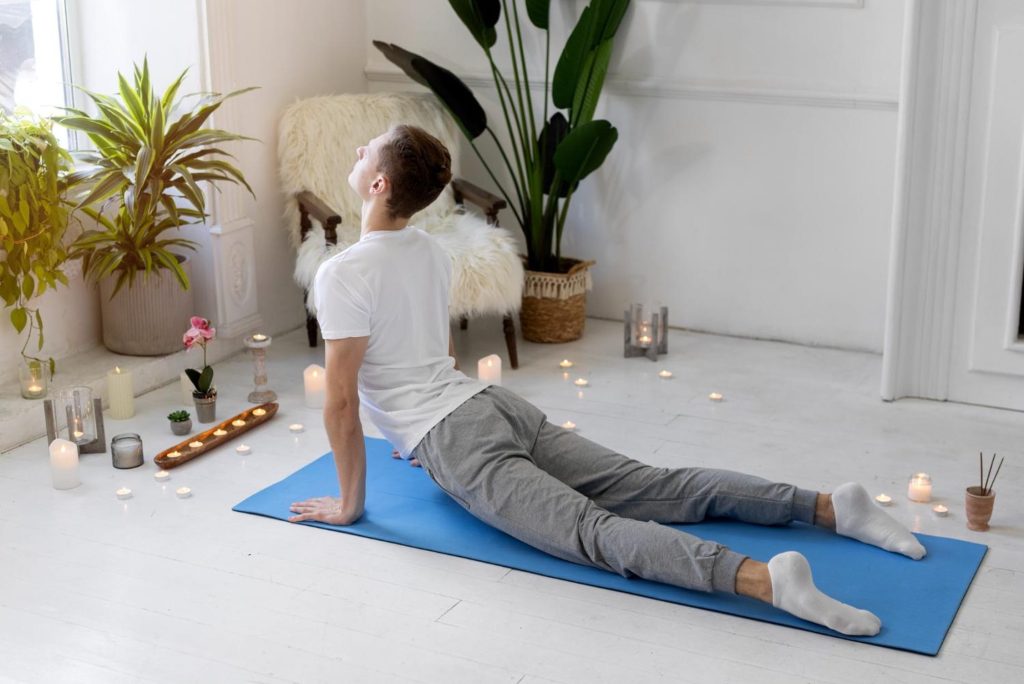
The therapist’s seat should allow a clear path to the exit. Physical proximity should be adjustable depending on the modality: body-oriented therapies need open floor space, child therapy calls for smaller seating, art therapy requires surface area for creative work. Moveable furniture like chairs on casters and lightweight side tables lets the room adapt session by session.
Layered Lighting Outperforms a Single Overhead Fixture
Harsh overhead fluorescent lighting activates the body’s alert mode. That single tube on the ceiling works against every calming design choice in the room. The 2026 standard for therapy office lighting relies on layered sources:
- Ambient layer. A warm-toned ceiling fixture (2700K to 3000K color temperature) provides soft general illumination without glare.
- Task layer. A desk lamp for the therapist’s note-taking area keeps functional lighting separate from the client zone.
- Accent layer. A floor lamp near the seating area creates a pocket of warmth. Dimmable options let the therapist adjust for time of day or client preference.
Natural light remains the gold standard. Sheer curtains or adjustable blinds let daylight in and preserve privacy. Offices without windows benefit from full-spectrum LED bulbs that mimic daylight patterns.
Sound Masking Protects Confidentiality and Comfort
Acoustic privacy is a legal and ethical obligation, not a luxury. HIPAA compliance extends to conversations being overheard through walls.
Sound masking introduces a consistent broadband noise that makes speech unintelligible in adjacent spaces. A white noise machine placed outside the therapy room door, set to 65 to 70 decibels, degrades speech intelligibility enough to prevent casual eavesdropping. Solo practitioners do well with a standalone machine near the most acoustically vulnerable wall. Larger practices benefit from networked ceiling-mounted systems that deliver calibrated sound throughout the suite.
Acoustic panels on shared walls serve two purposes at once: they reduce sound transmission and add texture to the room. Fabric-wrapped panels come in dozens of colors and look like intentional decor, not a soundproofing fix.
Choosing Art for a Therapy Office Has Different Rules
Display licenses, degrees, and certifications on one wall to confirm credibility. Pair them with abstract or nature-themed artwork that reflects personality without making a strong political, religious, or cultural statement.
Skip personal family photographs. Professor Ann Devlin’s research notes that reminders of a therapist’s personal life can negatively affect certain clients. Provocative art risks triggering unexpected responses. And too many pieces on the walls creates visual clutter, which activates scanning behavior in anxious clients.
Keep the wall facing the client during sessions minimal. Reserve the wall behind the therapist’s chair for art or certificates, where clients can glance at them without losing focus during conversation.
The Details Clients Notice First
A box of tissues within arm’s reach of every seat. A clean glass and water pitcher. A soft throw blanket on the couch. A small clock visible to the therapist but not angled toward the client. These cost almost nothing and they register immediately.
Scent matters too. Mild diffused oils like lavender or eucalyptus can work, but strong fragrances risk triggering headaches or negative associations. When in doubt, open a window and skip the fragrance.
The Room Does Half the Work
Good therapy decor lowers the number of psychological barriers a client has to clear before the conversation starts. When the space handles safety and sensory regulation on its own, the client arrives ready to talk, not still settling in.