The easiest way to downsize your home is to start early, know how big your new space is, and sort your belongings room by room or in stages. A clear plan, practical organizing strategies, and a realistic approach to dividing up your belongings can make the complete process less overwhelming. The secret is to take small, easy steps.
Moving to a small home can be a big transition. It often involves years of accumulated belongings and deep emotional attachments. Here are the 8 practical ways to make your downsizing simple and more manageable.
1. Start Planning Well in Advance
Start preparing 2-3 months before your planned move. Six months is preferable if you have a large home, garage, or attic. Make a simple downsizing timeline, which includes:
- Set aside specific days to go through each room.
- Choose whether to donate, sell, or give away unwanted items.
- Set aside time to pack items you wish to keep.
- Research moving companies and confirm dates.
- Allow time to clean, arrange documents, and get your new house ready.
Set small daily or weekly goals. One closet on Monday, then a shelf on Tuesday. Small wins add up fast.
2. Declutter One Room at a Time
Choose a room and finish it before going on to the next. Start with rooms like restrooms, guest rooms, and storage areas that are easier to sort. As you build momentum, move on to more difficult areas like living rooms, kitchens, and bedrooms.
Sort belongings while decluttering the room into the following categories:
- Keep things you truly want or use regularly in your new home.
- Donate useful things that could be useful to someone else.
- Sell valuables, appliances, or furniture that is still in good shape.
- Discard broken or useless items.
Be realistic about how much space you will have after moving.
3. Create a Practical Downsizing Checklist
A useful checklist helps you remember important tasks, such as scheduling movers or updating your address. The complete downsizing kit by Downsizing Insights gives you a structured way to plan, sort, and move. It’s helpful if you like things to be organized.
However, your checklist must include:
- Identifying belongings to keep, donate, sell, or discard.
- Creating an inventory of valuable possessions.
- Gathering important financial and property documents.
- Scheduling donation pickups.
- Booking professional movers.
- Arranging utility transfers and cancellations.
- Preparing an essentials box for moving day.
Keep your checklist handy. Either a printed or digital copy will be enough.
4. Be Gentle With Sentimental Items
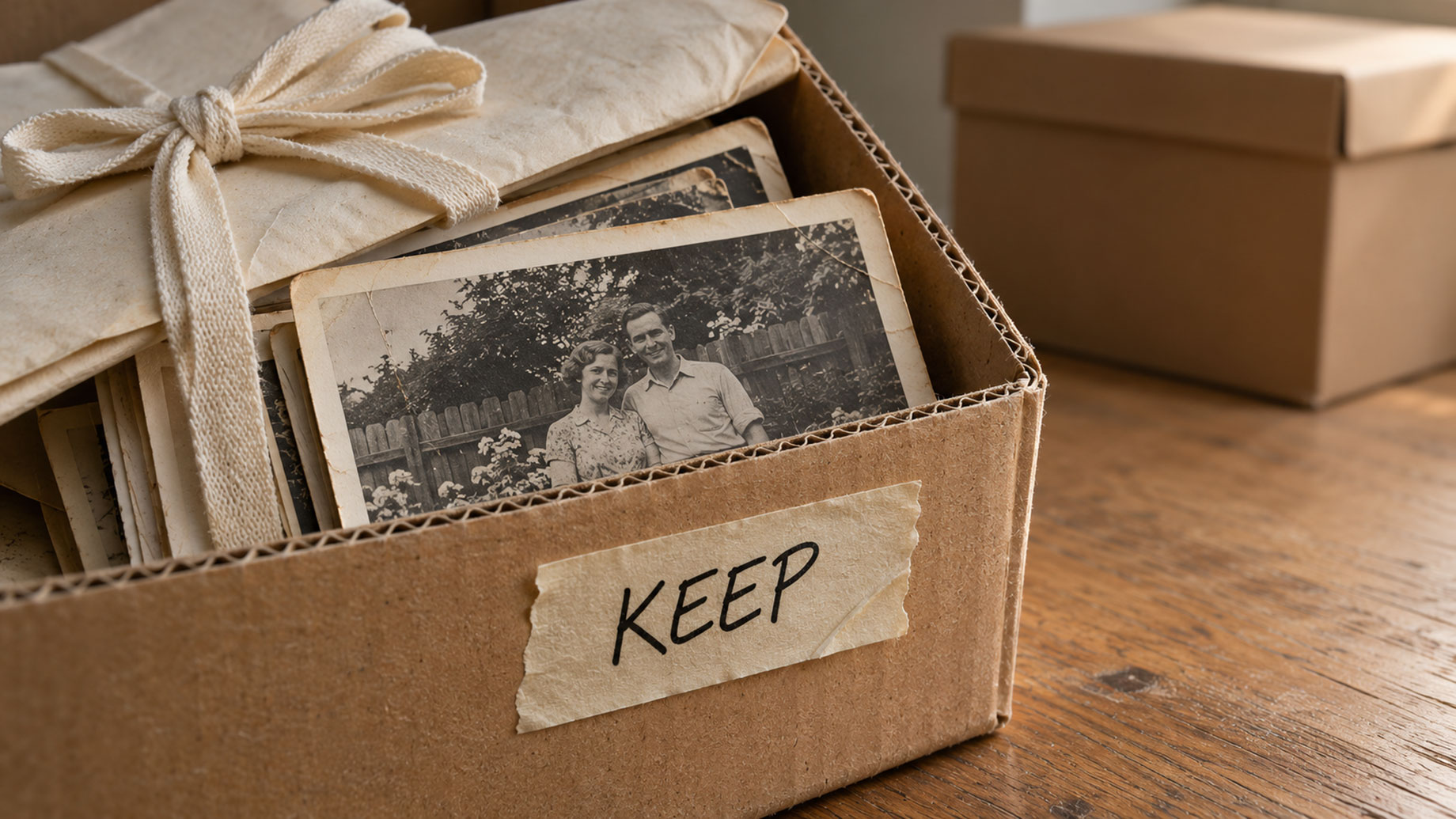
Letting go of emotional belongings is perhaps the most difficult part of downsizing. Childhood keepsakes, old letters, inherited furniture, and family photos can all hold years’ worth of memories. Try these ideas:
- Pick one “memory box” for each family member.
- Take photos of large keepsakes before giving them away.
- Scan old pictures, letters, and children’s artwork.
- Pass heirlooms to relatives today, so you can see them enjoyed.
Remember, preserving a memory doesn’t always mean keeping the object associated with it. Focus on the items that hold the most meaning.
5. Sell or Donate Unwanted Items Early
Once you have decided what you no longer need, start looking for new homes for those belongings. Don’t build mountains of unwanted items that remain unused for weeks. Consider selling good-condition items through:
- Local online marketplaces.
- Community selling groups.
- Garage sales.
- Secondhand furniture stores
- Consignment shops.
Donating is another useful option. Local charities and community organizations may accept donations of clothing, books, kitchenware, furniture, and household necessities.
6. Pack Strategically and Label Everything
Arrange boxes as per the rooms and categories. Use a consistent labeling system. Write the name of the room and a brief description of the contents on each box.
For example:
- Kitchen (Everyday dishes).
- Bedroom (Winter clothing).
- Living room (Books and decorations).
- Bathroom (Toiletries and towels).
Pack your essentials box separately. Add important documents, basic cleaning supplies, chargers, prescription medications, toiletries, and a change of clothes.
7. Go Digital With Your Paperwork
Filing cabinets, kitchen drawers, and shoeboxes are often full of old bills, manuals, and receipts. They take up more room than you would think.
Here’s a simple way to clear them:
- Sort papers into three groups: keep, shred, and scan.
- Keep only the essentials in paper form, such as wills, deeds, and tax records.
- Scan everything else and save it to a cloud folder and a backup drive.
- Shred old statements and expired documents safely.
Check how long you need to hold on to tax and medical records before you shred anything. Once you are done, one slim folder can replace an entire cabinet.
8. Ask for Help and Plan Where Things Go
Downsizing your home doesn’t have to be an individual project. Family members, friends, and professional organizers can make the process easier.
Ask relatives to help sort shared belongings or identify items they would like to keep. If the workload feels too large, consider hiring a professional downsizing organizer or moving company.
Conclusion
Downsizing is a big change, but it doesn’t have to feel chaotic. Give yourself time, know your target space, sort in small steps, and be kind to yourself when memories get in the way. Ask for help when you need it. You are not just clearing out a house. You are choosing what comes with you into the next chapter, and that’s worth doing well.