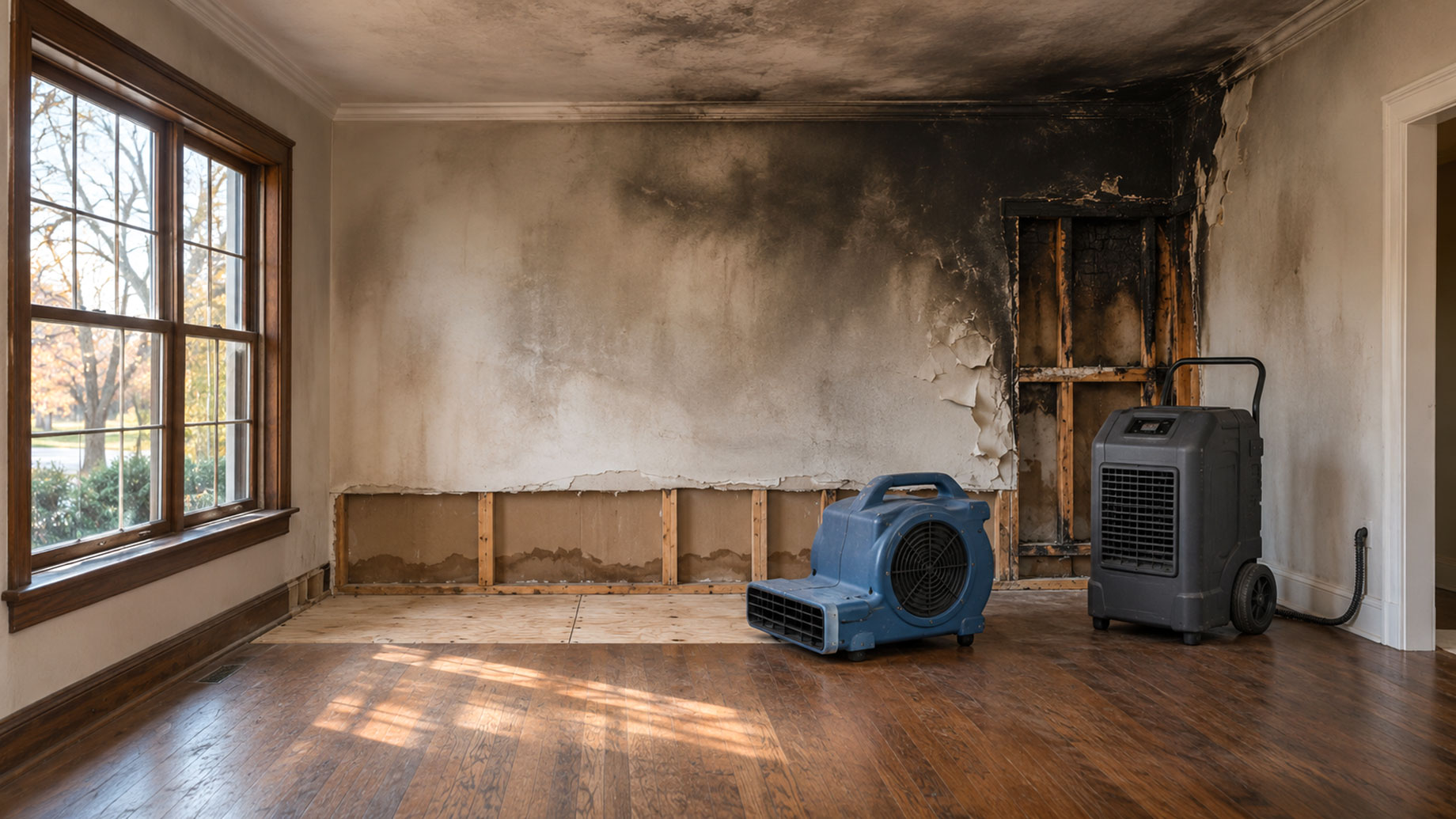
A fire can cause extensive damage to a home or commercial property in a matter of minutes. Even when flames are contained to one room, heat, smoke, and soot can spread into surrounding areas, affecting walls, ceilings, flooring, furniture, and ventilation systems. Water and other materials used to extinguish the fire can create additional problems that require attention.
Recovering after a fire involves more than removing burned materials and cleaning visible stains. A complete restoration process includes assessing the damage, addressing safety concerns, removing smoke and soot residue, controlling moisture, and repairing affected parts of the property.
Understanding how fire damage restoration works can help property owners make informed decisions and take the right steps toward recovery.
Understanding the Different Types of Fire Damage
Fire can affect a property in several ways. Each type of damage requires an appropriate cleaning or restoration method.
1. Structural and Heat Damage
High temperatures can weaken or damage building materials, including wood framing, drywall, roofing, flooring, and structural supports. Doors and windows may become warped, while electrical wiring and other building systems can also be affected.
Even if the flames do not reach every room, heat can travel through walls, ceilings, and connected spaces. A professional inspection is important to determine whether structural repairs or replacement materials are necessary.
2. Smoke Damage
Smoke can travel well beyond the area where a fire started. It may enter bedrooms, hallways, closets, and ventilation systems, leaving behind odors and residue.
Smoke particles can settle on walls, furniture, fabrics, and other surfaces. If they are not properly addressed, the smell may remain even after visible damage has been cleaned.
3. Soot and Ash Residue
Soot is a byproduct of incomplete combustion and can leave dark, oily, or powdery deposits on surfaces. Its characteristics depend on the materials burned during the fire.
Soot may stain walls, ceilings, cabinets, appliances, and personal belongings. Improper cleaning can spread residue or push it further into porous materials, making professional cleaning important for extensive contamination.
4. Water Damage After Firefighting
Water used to extinguish a fire can soak carpets, flooring, insulation, drywall, and other building materials. If moisture remains trapped, it may contribute to material deterioration and mold growth.
Fire damage restoration often includes water extraction, structural drying, and moisture monitoring to address these secondary problems.
Common Signs of Fire and Smoke Damage
Not all fire-related damage is immediately obvious. Some problems may become noticeable only after the initial cleanup.
Watch for these warning signs:
- Discolored walls and ceilings: Smoke and soot can leave dark stains or yellowish residue.
- Persistent smoke odors: A lingering smell may indicate residue inside porous materials or ventilation systems.
- Damaged paint and finishes: Heat can cause paint to blister, peel, or discolor.
- Warped materials: Doors, cabinets, flooring, and other components may change shape after exposure to heat or moisture.
- Soot-covered belongings: Furniture, curtains, clothing, and other possessions may require specialized cleaning.
- Electrical problems: Heat and firefighting water can affect wiring, outlets, and electrical equipment.
- Damp surfaces: Water used during firefighting may remain inside walls, ceilings, and flooring.
A property should not be considered fully restored simply because visible soot has been removed. Hidden damage and remaining odors may require additional attention.
The Fire Damage Restoration Process
A structured restoration process helps address different types of damage and determine which materials can be cleaned, repaired, or replaced.
1. Safety Inspection and Damage Assessment
The first step is determining whether the property is safe to enter. Fire-damaged structures may contain unstable materials, damaged electrical systems, weakened supports, and hazardous residues.
Only return when emergency officials have cleared the property. Restoration professionals can then inspect affected rooms, document the damage, and develop an appropriate restoration plan.
2. Property Protection and Debris Removal
Depending on the condition of the building, damaged windows, doors, or roof sections may need temporary protection to prevent additional exposure to weather or unauthorized entry.
Burned materials and debris that cannot be restored are removed according to appropriate safety procedures. Work areas may also be isolated to limit the spread of soot and dust into unaffected rooms.
3. Water Extraction and Structural Drying
If firefighting efforts have introduced water into the property, standing water must be removed. Restoration technicians may use extraction equipment, air movers, and commercial dehumidifiers to dry affected areas.
Moisture monitoring helps determine whether materials such as drywall, flooring, insulation, and framing have dried sufficiently or require replacement.
4. Smoke and Soot Removal
Cleaning methods depend on the type of residue, the surface involved, and the severity of the damage. Technicians may use specialized vacuums, dry cleaning sponges, appropriate cleaning solutions, and other professional equipment.
Different materials require different treatment methods. Porous belongings may need specialized cleaning or replacement if contamination cannot be safely removed.
5. Odor Removal and Deodorization
Removing smoke odor requires addressing the residue responsible for the smell rather than simply covering it with fragrances.
Depending on the property, restoration may include cleaning affected surfaces, treating salvageable contents, and addressing contaminated HVAC components. Specialized deodorization equipment may also be used when appropriate.
6. Cleaning and Restoring Personal Belongings
Furniture, clothing, electronics, documents, and other possessions may be affected by smoke, soot, heat, or water. Some items can be professionally cleaned, while others may be too severely damaged to restore.
An inventory and condition assessment can help property owners and insurance providers determine which belongings are salvageable.
7. Repairs and Reconstruction
Once cleaning and mitigation are complete, the property may need repairs to restore its functionality. This work can include replacing drywall, repairing framing, installing flooring, repainting walls, and restoring damaged fixtures or cabinets.
Electrical, plumbing, roofing, and other specialized work should be completed by appropriately qualified professionals.
Why Professional Fire Damage Restoration Matters
Fire-related damage can be complex because heat, smoke, soot, and water often affect the same areas. Professional restoration services help property owners address these problems through a coordinated process.
Key benefits include:
- Thorough damage assessment: Professionals can identify visible and hidden fire-related damage.
- Specialized cleaning methods: Appropriate equipment and techniques help remove soot and smoke residue from different surfaces.
- Moisture control: Water extraction and drying help address damage caused by firefighting efforts.
- Odor treatment: Targeted cleaning and deodorization help address persistent smoke smells.
- Content recovery: Suitable belongings may be cleaned and restored instead of automatically discarded.
- Coordinated repairs: Restoration planning helps organize cleanup, material replacement, and reconstruction.
The Federal Emergency Management Agency (FEMA) provides guidance on assessing and remediating residential smoke damage, including recommendations based on the severity of soot and ash contamination.
What to Do Immediately After a Fire
Taking appropriate steps after a fire can help protect people, belongings, and the property from additional damage.
- Wait for official clearance: Do not enter the property until fire officials confirm it is safe.
- Avoid damaged electrical systems: Do not operate affected wiring, outlets, or appliances until they have been inspected by qualified professionals.
- Contact your insurance provider: Report the incident and ask about documentation, inspections, and cleanup requirements.
- Document visible damage: Take photographs and videos when it is safe to do so.
- Limit unnecessary movement: Walking through soot-covered areas can spread residue to unaffected rooms and belongings.
- Protect unaffected areas: Follow professional guidance about separating damaged spaces and preventing further contamination.
- Arrange a restoration assessment: Have qualified professionals evaluate structural damage, smoke contamination, and moisture concerns.
Avoid attempting extensive cleanup before safety hazards have been evaluated. Fire residue can contain harmful particles, and some damaged materials may require specialized handling.
Choosing a Fire Damage Restoration Company
Selecting the right restoration provider is an important part of recovering after a fire. Before hiring a company, consider the following:
- Relevant experience: Ask about experience handling structural fire, smoke, soot, and water damage.
- Training and certifications: Look for technicians with relevant restoration training and credentials.
- Detailed inspection: The company should assess affected areas and explain the recommended work.
- Clear documentation: Request a written scope of work, estimates, and records of completed services.
- Content restoration: Ask whether the provider can evaluate and clean salvageable belongings.
- Insurance coordination: Find out whether the company can provide documentation to support the claims process.
- Communication: Choose a provider that explains timelines, unexpected findings, and repair requirements.
A dependable restoration professional should not promise that every surface or possession can be restored without first evaluating its condition.
Take the First Step Toward Property Recovery
Fire damage can affect a property long after the flames have been extinguished. Smoke odors, soot deposits, structural concerns, and water damage may continue to create problems if they are not properly addressed.
Professional Fire Damage Restoration Services provide a structured approach to assessing the damage, cleaning affected areas, recovering salvageable belongings, and repairing damaged materials. Whether the fire affects one room or multiple areas of a building, a thorough restoration plan is essential for moving forward.
If your property has experienced a fire, prioritize safety and arrange a professional assessment once officials have cleared the site. Addressing the damage systematically can help protect the remaining structure, reduce further deterioration, and bring your property closer to its pre-fire condition.