A properly functioning drainage system is one of the most important parts of a safe and comfortable home. Although most homeowners pay attention to sinks, toilets, showers, and visible plumbing fixtures, they often overlook an important plumbing component hidden around the property: the drain cleanout. This small but essential access point can make a significant difference when dealing with blocked pipes, slow drainage, unpleasant odors, and unexpected plumbing emergencies.
Understanding how a drain cleanout works can help homeowners recognize plumbing problems earlier, reduce unnecessary repair expenses, and maintain a healthier drainage system. Whether you own an older property, recently purchased a house, or are planning home improvements, knowing where this access point is located can save considerable time and frustration.
In this guide, we explain what a drain cleanout is, how it works, where to find it, and when professional maintenance may be necessary.
What Is a Drain Cleanout?
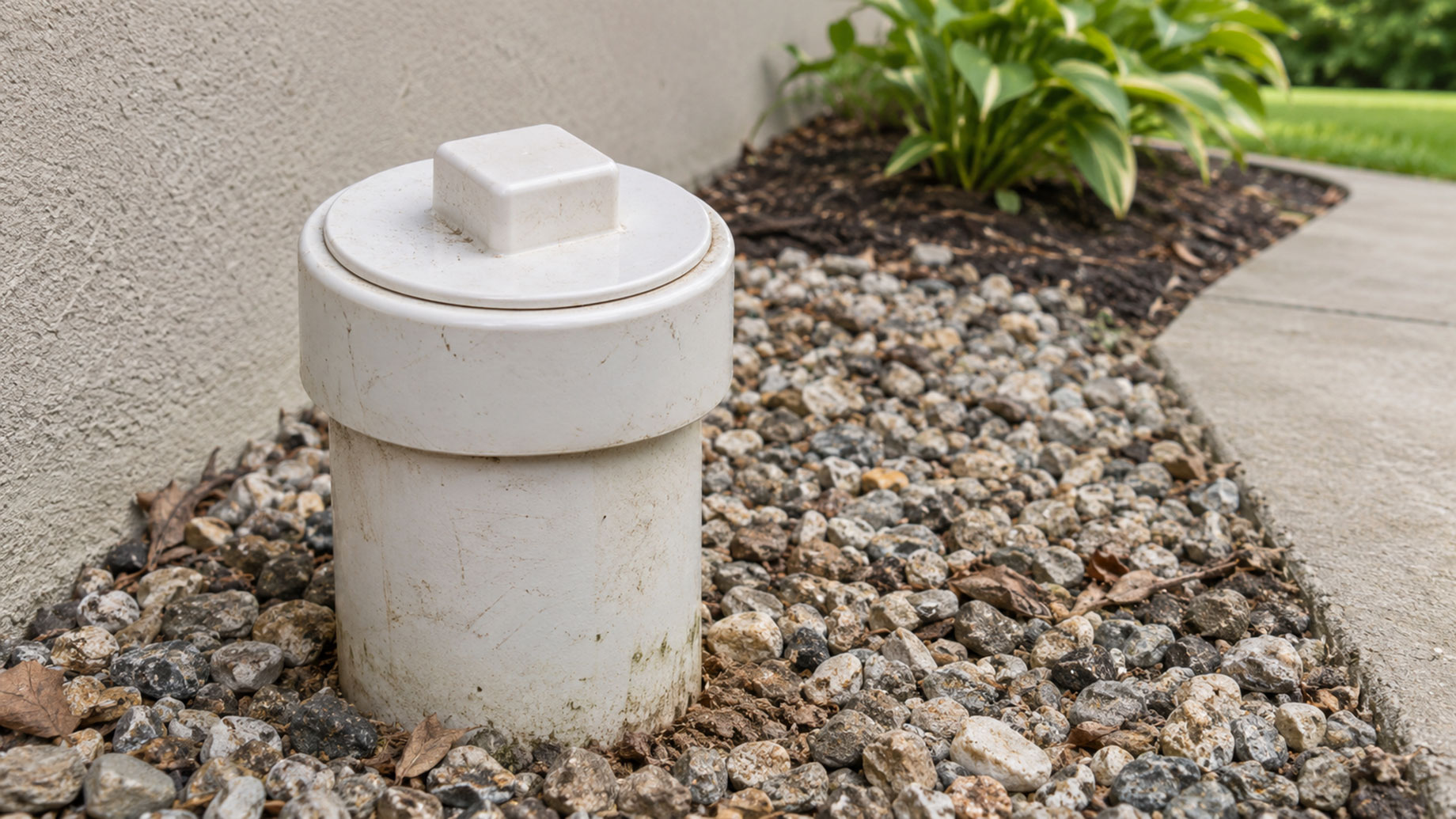
A drain cleanout is a specially designed opening in a home’s drainage system that allows plumbers to access the inside of drain and sewer pipes. It is usually fitted with a removable threaded cap or plug that keeps the plumbing system sealed during normal operation.
Its main purpose is to provide convenient access when a drain becomes blocked. Instead of removing toilets, dismantling pipes, or opening walls and floors, a plumber can remove the cleanout cap and use specialized equipment to clear the obstruction.
Cleanouts are commonly installed in residential plumbing systems to make inspection, cleaning, and maintenance easier. Depending on the property’s layout, they may be located inside the house, outside near the foundation, or along the underground sewer line.
Why Is a Drain Cleanout Important for Homeowners?
Drainage problems can develop gradually or appear without warning. Hair, grease, soap residue, food particles, toilet paper, and other materials can accumulate inside pipes over time.
Without an accessible cleanout, reaching a blockage can become complicated and expensive.
Here are several reasons why this plumbing component matters.
1. Makes Drain Blockage Removal Easier
The biggest advantage of a cleanout is that it provides direct access to drainage pipes. When a blockage develops, a plumber can introduce a drain snake or other suitable cleaning equipment through the opening.
This makes it easier to remove accumulated debris without unnecessarily disturbing other plumbing fixtures.
2. Helps Prevent Expensive Plumbing Repairs
A small drainage problem can become a major issue if ignored. For example, a partially blocked sewer line may eventually cause wastewater to back up into toilets, showers, or floor drains.
Accessible cleanouts allow plumbers to investigate these problems more efficiently, potentially reducing labor and repair costs.
3. Supports Routine Plumbing Maintenance
Cleanouts are useful even when there is no obvious blockage. Plumbing professionals can use them to inspect pipe conditions, investigate recurring drainage issues, and perform preventive cleaning when appropriate.
4. Reduces Disruption During Emergencies
Imagine discovering that several drains in your house are backing up at the same time. This could indicate a problem with the main sewer line.
An accessible cleanout gives a plumber a practical starting point for diagnosing the issue, helping avoid unnecessary dismantling of plumbing fixtures.
Where Is a Drain Cleanout Usually Located?
The location depends on the home’s plumbing design, construction age, and local building requirements. However, homeowners can check several common areas.
- Outside the House: Many properties have a main sewer cleanout near the foundation or in the yard. It may look like a short PVC or metal pipe with a removable cap.
- Basement or Utility Room: Homes with basements may have cleanouts installed near the main drainage pipe, floor drains, or where the sewer line exits the building.
- Bathrooms and Kitchens: Smaller cleanouts may be installed near drainage branches or plumbing connections. Some are concealed behind access panels.
- Crawl Spaces: Properties with raised foundations may have accessible cleanout fittings beneath the floor.
If you cannot locate yours, check the plumbing plans or ask a licensed plumber to identify the access points.
How Does a Drain Cleanout Work?
A cleanout works by providing an opening into the drainage pipe. Under normal conditions, its cap remains tightly secured to prevent sewer gases, wastewater, and unpleasant smells from escaping.
When a blockage occurs, the plumber generally follows these steps:
- Locate the cleanout: The plumber identifies the appropriate access point based on the affected fixtures and drainage layout.
- Inspect the area: They check for visible damage, leakage, corrosion, or signs of wastewater pressure.
- Remove the cap: The cap is carefully loosened using suitable tools.
- Clear the blockage: A drain snake, auger, or other professional equipment may be inserted to remove the obstruction.
- Check the drainage: Water flow is tested to confirm that the blockage has been resolved.
- Replace the cap: The cleanout is securely closed to prevent leaks and sewer gas from entering the property.
Not every blockage requires the same equipment. Severe obstructions, damaged pipes, and tree-root intrusions may require additional inspection or specialized cleaning methods.
Signs Your Home May Need Drain Cleanout Maintenance
Recognizing drainage warning signs early can help prevent bigger plumbing problems.
Look out for these common symptoms:
- Slow-draining fixtures: Water takes longer than usual to disappear from sinks, bathtubs, and showers.
- Multiple clogged drains: Several fixtures become blocked around the same time.
- Unpleasant sewer odors: Persistent sewage smells may indicate a damaged pipe, faulty seal, or drainage problem.
- Gurgling sounds: Toilets and drains make bubbling or unusual noises when water flows.
- Wastewater backups: Water or sewage appears in floor drains, showers, or other low-level fixtures.
- Repeated blockages: The same drain keeps becoming clogged despite previous cleaning.
These symptoms do not automatically mean the cleanout itself is faulty. They may indicate a blockage or another underlying plumbing issue that requires professional diagnosis.
Drain Cleanout: What Homeowners Should Know Before Calling a Plumber
Understanding the purpose of a drain clean out can help homeowners communicate more effectively with plumbing professionals and make informed decisions about maintenance.
Before scheduling a repair, identify which fixtures are affected. If only one sink drains slowly, the blockage may be limited to its individual branch pipe. However, if multiple toilets, showers, and sinks experience drainage problems, the main sewer line may be involved.
Homeowners should also check whether the cleanout cap is visibly damaged or missing. Never attempt to remove a cleanout cap if wastewater is backing up or the pipe may be under pressure. Sewage can escape unexpectedly and create a serious sanitation hazard.
Another important consideration is accessibility. Avoid covering exterior cleanouts with permanent landscaping, concrete, storage structures, or other obstacles. Keeping them accessible can make future maintenance significantly easier.
If a cleanout is buried underground, damaged, leaking, or difficult to locate, a qualified plumber can assess the situation and recommend an appropriate solution.
Can Homeowners Clean a Drain Through a Cleanout?
Although some minor drain maintenance can be handled independently, using a main sewer cleanout is generally best left to experienced professionals.
Opening the wrong fitting can release wastewater or hazardous sewer gases. Incorrect use of drain-cleaning equipment can also damage older or fragile pipes.
Homeowners can safely support their drainage systems by:
- Avoiding grease and cooking oil disposal in kitchen sinks.
- Installing suitable hair-catching covers in showers.
- Keeping food scraps and solid waste out of drains.
- Avoiding flushing wipes, sanitary products, and other unsuitable materials.
- Arranging professional inspections when recurring problems develop.
Chemical drain cleaners should also be used cautiously because some products can damage plumbing materials and create hazards during subsequent repairs.
When Should a Drain Cleanout Be Repaired or Replaced?
A cleanout should remain properly sealed and structurally sound. However, its cap or fitting can deteriorate because of age, weather exposure, corrosion, or physical damage.
Consider professional repair if you notice:
- Cracked or broken cleanout caps.
- Water leaking around the fitting.
- Damaged threads that prevent proper sealing.
- Strong sewer odors near the access point.
- A missing or loose cap.
- Visible pipe deterioration.
A plumber can determine whether replacing the cap is sufficient or whether the entire fitting needs repair.
Frequently Asked Questions (FAQs)
1. What is the main purpose of a drain cleanout?
Its primary purpose is to provide access to drainage and sewer pipes so plumbers can remove blockages, inspect pipes, and perform maintenance without dismantling plumbing fixtures.
2. Does every house have a sewer cleanout?
Many modern residential plumbing systems include cleanouts, but their number, placement, and accessibility vary depending on construction design and local plumbing regulations. Older properties may have limited or concealed access points.
3. How often should a drain cleanout be inspected?
There is no universal inspection schedule for every home. However, homeowners should have their drainage systems checked when recurring blockages, slow drains, unusual odors, or wastewater backups occur.
4. Can a drain cleanout cause sewer smells?
Yes. A missing, loose, damaged, or improperly sealed cleanout cap can allow sewer gases to escape. Replacing or repairing the faulty fitting can resolve the problem.
5. Is a drain cleanout the same as a sewer cleanout?
The terms are sometimes used interchangeably. However, a sewer cleanout generally refers to an access point on the main sewer line, while drain cleanouts may also serve individual branch drainage pipes.
6. Can I cover my outdoor drain cleanout?
You should not permanently cover it. Landscaping and decorative materials should not prevent access. Keeping the fitting visible or providing an accessible cover makes future plumbing maintenance easier.
7. How much does it cost to install a drain cleanout?
The cost depends on pipe accessibility, excavation requirements, materials, labor rates, and local plumbing regulations. A plumber should inspect the property and provide a specific estimate before installation.
Final Thoughts
A properly installed and accessible cleanout is an important part of a reliable residential drainage system. Although it may seem like a small plumbing fitting, it provides valuable access for clearing blockages, inspecting pipes, and addressing drainage emergencies.
Homeowners should know where their cleanouts are located, keep them accessible, and pay attention to early warning signs such as slow drains, gurgling sounds, and recurring blockages. Most importantly, professional assistance should be considered whenever a main sewer line problem or potentially hazardous backup develops.
Including drainage access and routine plumbing maintenance in your home improvement plans can help protect your property, reduce unexpected repair expenses, and keep your plumbing system working efficiently for years to come.
