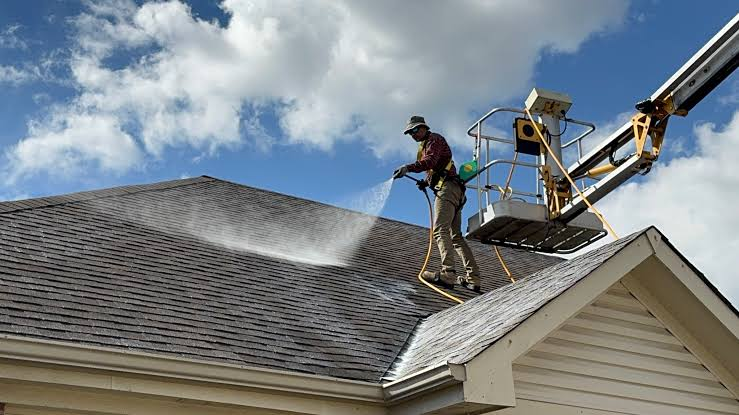
Why Regular Roof Maintenance Matters
A roof does much more than complete the appearance of a home. It protects the building from rain, wind, snow, sunlight, and changing temperatures. When roofing materials begin to deteriorate, even a small defect can allow moisture to enter and damage ceilings, insulation, walls, and structural components.
Regular maintenance helps homeowners identify these problems before they become expensive repairs. Instead of waiting for a ceiling stain or a visible leak, property owners can arrange periodic inspections and monitor signs of wear throughout the year.
A well-maintained roof can also contribute to indoor comfort, protect belongings, and preserve the property’s long-term value. Although every roofing system has a different service life, consistent care helps homeowners make informed decisions about repairs, maintenance, and eventual replacement.
Common Warning Signs of Roof Damage
Roof problems do not always begin with a dramatic leak. In many cases, deterioration develops gradually and remains unnoticed until moisture reaches the interior of the building.
Missing, Cracked, or Curling Shingles
Shingles can become damaged through prolonged exposure to sunlight, strong winds, heavy rain, and temperature fluctuations. Missing shingles may expose the protective layers beneath them, while cracked or curling materials can create pathways for water infiltration.
Homeowners should look for visible changes from the ground or from another safe viewing position. Climbing onto a roof without appropriate training and safety equipment can lead to serious injuries.
Water Stains and Damp Interior Surfaces
Brown ceiling marks, peeling paint, bubbling plaster, and persistent damp smells may indicate water intrusion. However, the location of an interior stain does not always identify the precise point where water entered. Moisture can travel along roof decking, framing, and other building components before becoming visible indoors.
If these warning signs appear, arranging a professional inspection can help identify the source and determine the appropriate repair.
Damaged Flashing and Blocked Gutters
Flashing protects vulnerable roof areas around chimneys, vents, skylights, and wall intersections. If flashing becomes loose, corroded, or poorly sealed, water may penetrate the building envelope.
Gutters also play an important role in roof protection. Leaves, branches, and other debris can obstruct drainage, causing water to overflow or accumulate around vulnerable areas. Keeping gutters clear helps direct rainwater away from the roof edges and foundations.
How Seasonal Weather Affects Roofing Systems
Weather conditions influence how quickly roofing materials wear out. Understanding seasonal risks helps homeowners plan maintenance before problems develop.
Spring: Inspect After Winter
Winter conditions can leave behind loose shingles, damaged flashing, blocked drainage systems, and signs of moisture penetration. Spring is a useful time to arrange an inspection and address any problems discovered during colder months.
Homeowners should also check ceilings and attic spaces for damp insulation, unusual odours, or signs of water entry.
Summer: Consider Heat and Ventilation
Extended exposure to sunlight can accelerate the aging of certain roofing materials. Excessive attic heat may also indicate inadequate ventilation or insulation, although these issues require separate assessment.
A professional can evaluate whether the ventilation system is functioning appropriately and whether the roof shows signs of heat-related deterioration.
Autumn: Prepare for Rain and Falling Leaves
Falling leaves can quickly accumulate in gutters and roof valleys. Clearing drainage pathways before periods of heavy rainfall reduces the likelihood of water backing up in vulnerable areas.
Autumn is also a practical time to inspect visible roof components and arrange repairs before harsher winter conditions arrive.
Winter: Monitor Snow, Ice, and Leaks
In colder climates, snow accumulation and ice formation can place additional demands on roofing systems. Ice dams may prevent melting snow from draining properly, allowing water to move beneath roofing materials.
Homeowners should avoid climbing onto icy roofs or attempting dangerous snow removal. A qualified roofing professional can recommend appropriate measures based on the building’s design and local conditions.
Roof Repair or Replacement: How to Decide
One of the most important maintenance decisions is determining whether a roof needs a targeted repair or a complete replacement. The right choice depends on several factors, including the roof’s age, the extent of damage, the materials used, and the condition of the underlying structure.
When Repairs May Be Appropriate
A repair may be suitable when the damage is limited to a small area and the surrounding roofing system remains in good condition. Examples can include replacing a few missing shingles, repairing damaged flashing, or addressing a localised leak.
Prompt repairs can prevent moisture from spreading and reduce the risk of additional damage. However, recurring leaks or repeated repairs in different locations may indicate a broader problem that deserves a more comprehensive assessment.
When Replacement May Be Worth Considering
A roof nearing the end of its expected service life may require replacement if widespread deterioration, persistent leaks, or extensive material failure has developed.
Replacement also provides an opportunity to evaluate underlayment, ventilation, flashing, and other components that contribute to the performance of the complete roofing system.
Homeowners should compare written estimates that explain the proposed work, materials, removal and disposal requirements, warranties, and any potential additional costs. The lowest initial price does not necessarily represent the best long-term value.
Choosing the Right Roofing Professional
Roofing work involves safety risks, technical knowledge, and careful attention to construction details. Selecting a qualified contractor can help homeowners avoid incomplete repairs and recurring problems.
Before hiring a professional, consider the following:
- Relevant experience: Ask about previous projects involving similar roof types and materials.
- Insurance and credentials: Verify applicable licensing, insurance, and local requirements.
- Written estimates: Request a clear description of the work, material specifications, pricing, and expected schedule.
- Warranty information: Understand the difference between manufacturer warranties and workmanship warranties.
- Communication: Choose a contractor who explains the problem, discusses available options, and answers questions clearly.
Homeowners researching professional roofing services should also ask whether the inspection includes photographs, an explanation of identified defects, and recommendations prioritised by urgency.
A thorough assessment can help distinguish immediate concerns from maintenance tasks that can be planned for a later date.
Practical Habits That Help Extend Roof Life
Although some roofing work requires professional attention, homeowners can take several practical steps to support the condition of their roofs.
First, inspect ceilings and accessible attic areas periodically for signs of moisture. Second, keep gutters and downspouts clear so rainwater can drain properly. Third, trim overhanging branches where appropriate to reduce the risk of falling limbs and excessive debris.
It is also helpful to retain records of inspections, repairs, material specifications, and warranty documents. These records provide a useful maintenance history and can assist when comparing future repair or replacement estimates.
After severe weather, look for visible signs of damage from a safe location. If a leak develops or significant damage is suspected, contact a qualified professional promptly rather than attempting an unsafe temporary repair.
Conclusion
A dependable roofing system is essential to protecting a property’s structure, interior, and long-term value. Regular inspections, clear drainage pathways, timely repairs, and informed contractor selection can help homeowners manage roofing problems before they become more disruptive.
The most effective approach is to treat roof care as an ongoing part of property maintenance rather than an emergency response. By recognising warning signs early and seeking professional advice when needed, homeowners can make better decisions about repairs, replacement, and the long-term protection of their homes.