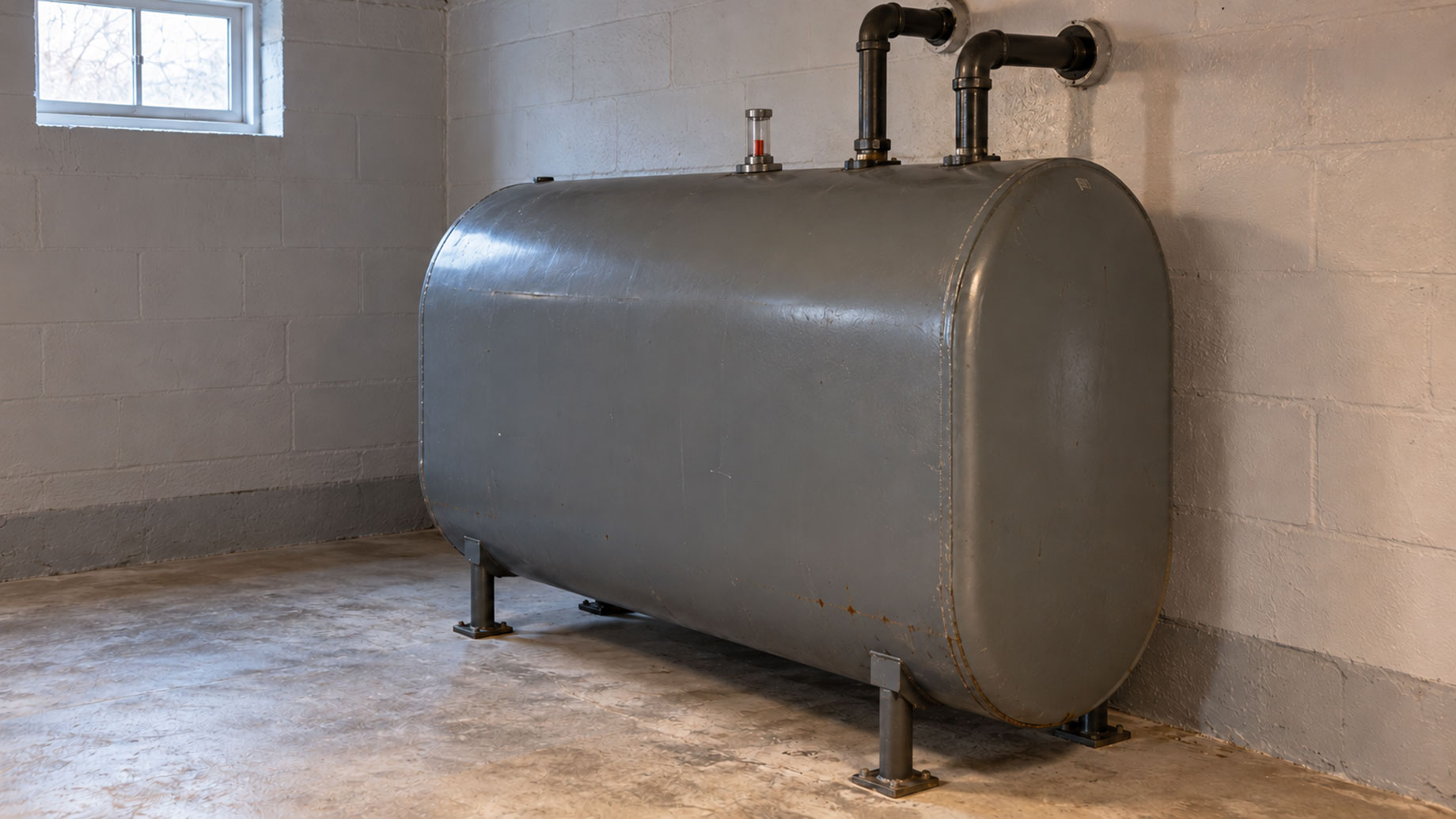
Heating oil remains an important energy source for many homes, especially in colder regions where furnaces and boilers need to perform reliably through long winters.
The oil tank itself, however, is often overlooked until a problem develops.
Unlike visible heating equipment, a fuel tank may sit quietly in a basement, garage, utility room, or outside the home for decades. Over time, corrosion, moisture, shifting supports, and general wear can weaken the tank and increase the risk of leaks.
Replacing an aging tank before it fails can help homeowners avoid emergency repairs, property damage, and potentially expensive cleanup.
Understand the Age of the Existing Tank
The first step is determining how old the tank is.
Many steel heating-oil tanks remain in service for years, but age alone does not determine whether replacement is necessary. Installation quality, environment, tank construction, moisture exposure, maintenance history, and fuel conditions can all affect service life.
If the installation date is unknown, homeowners should inspect the tank for manufacturer labels, installation records, service stickers, or documentation from previous owners.
Older tanks deserve closer attention even if there are no obvious leaks.
Corrosion can sometimes develop from the inside out, meaning the exterior may appear relatively normal while the tank wall is gradually weakening.
Watch for Signs of Corrosion
Rust is one of the most common warning signs.
Surface rust does not automatically mean the tank is about to fail, but widespread corrosion, flaking metal, pitting, or damp areas should not be ignored.
Pay particular attention to:
- The bottom of the tank
- Welded seams
- Fill and vent connections
- Legs and support brackets
- Areas exposed to condensation
- Pipe connections
- The underside of outdoor tanks
Water can accumulate inside some tanks and contribute to internal corrosion, especially along the bottom.
That damage may remain hidden until a leak appears.
Look for Small Leaks Before They Become Large Problems
Oil leaks are not always dramatic.
Early warning signs may include:
- A persistent petroleum odor
- Damp or stained concrete
- Oily residue near fittings
- Discoloration beneath the tank
- Unexplained drops in fuel levels
- Wet areas around piping
- Changes in soil or vegetation near an outdoor tank
Even a small leak can become expensive if fuel reaches flooring, soil, groundwater, or other parts of the property.
Homeowners who suspect a leak should avoid waiting to see whether it worsens.
The sooner the source is identified, the easier it may be to contain the problem.
Consider the Benefits of Modern Tank Designs
Replacing an older tank can provide an opportunity to upgrade the entire storage system.
Modern tanks may include improved corrosion protection, stronger materials, leak-detection features, or double-wall construction.
A double-wall tank provides an additional layer of protection because the inner tank is surrounded by a secondary shell.
That does not eliminate the need for inspection or maintenance, but it can reduce the risk of an unnoticed leak reaching the surrounding area.
Homeowners should compare tank designs based on:
- Capacity
- Available installation space
- Indoor or outdoor placement
- Fuel consumption
- Construction materials
- Warranty coverage
- Leak protection
- Local requirements
The best replacement is not always the largest or most expensive option. It should match the home’s heating demand and installation conditions.
Tank Size Should Match the Household
Tank capacity affects both convenience and installation planning.
A larger tank can reduce the frequency of fuel deliveries, but it also requires more physical space and may cost more to purchase and install.
A smaller tank may work well for a modest home with efficient heating equipment but could require frequent deliveries during winter.
Homeowners should consider:
- Home size
- Insulation quality
- Historical fuel usage
- Boiler or furnace efficiency
- Local winter temperatures
- Delivery availability
Past fuel-delivery records can provide useful guidance when choosing a replacement size.
Indoor and Outdoor Installations Have Different Risks
Indoor tanks are protected from many weather conditions, but they can still experience moisture, condensation, and corrosion.
They also create additional concerns if a leak occurs inside the home.
Outdoor tanks face different challenges, including:
- Rain
- Snow
- Temperature changes
- Ground movement
- Ice
- UV exposure
- Physical impact
Outdoor installations may require additional protection or specialized equipment depending on climate and location.
Tank placement should also allow safe access for inspections, fuel deliveries, and future maintenance.
Use Qualified Professionals for Replacement
Removing and replacing a heating-oil tank involves more than disconnecting the old unit and installing a new one.
The work may include draining remaining fuel, disconnecting piping, removing the existing tank, preparing the installation area, installing new supports, connecting fill and vent lines, testing the system, and disposing of the old tank appropriately.
Homeowners who need professional oil tank replacement services should look for contractors familiar with local permitting requirements, fuel-storage regulations, tank installation standards, and safe disposal procedures.
Experience is especially important when the existing tank is leaking or located in a difficult area.
A qualified contractor can also evaluate whether related components should be replaced at the same time.
Inspect the Installation Area
Replacing the tank is also an opportunity to correct problems with the surrounding area.
The tank should rest on stable supports and remain level.
Homeowners should look for:
- Weak or corroded tank legs
- Uneven concrete
- Water intrusion
- Poor drainage
- Inadequate clearance
- Damaged piping
- Obstructions around the tank
Installing a new tank on a poorly prepared base can create avoidable problems later.
The surrounding area should also remain accessible enough for future inspection.
Understand Local Permit and Code Requirements
Fuel storage is regulated in many jurisdictions.
Depending on location, tank replacement may require permits, inspections, specific venting arrangements, approved piping, fire-safety clearances, or other installation standards.
Local rules may differ significantly.
That is another reason professional installation is valuable.
A contractor who regularly performs this type of work should understand applicable requirements and help ensure the new system is installed correctly.
Plan for Removal of the Old Tank
Old tanks cannot simply be discarded like ordinary household waste.
Remaining fuel and sludge may need to be removed before the tank can be transported or recycled.
If a tank is damaged or leaking, additional handling requirements may apply.
Homeowners should ask in advance whether removal and disposal are included in the replacement estimate.
They should also determine who is responsible for:
- Fuel transfer
- Tank cleaning
- Hauling
- Recycling or disposal
- Permit closure
- Site cleanup
Clear expectations reduce the chance of unexpected costs after the new tank is installed.
Do Not Wait for an Emergency
One of the biggest advantages of planned replacement is control.
Replacing an aging tank before it fails gives homeowners time to compare contractors, evaluate tank options, schedule the work, and budget appropriately.
Emergency replacement offers far fewer choices.
A leaking tank may require immediate attention, and the homeowner may also be dealing with cleanup, heating interruptions, or damage to the property.
Proactive replacement can be especially worthwhile when a tank is already showing signs of deterioration.
Protect the Property and the Heating System
An oil tank may not be the most visible component of a home, but it plays a critical role in the heating system.
Regular inspection and timely replacement can reduce the risk of fuel loss, environmental contamination, and expensive repairs.
Homeowners should pay attention to the tank’s age, condition, installation environment, and support system rather than waiting for obvious failure.
When replacement becomes necessary, choosing the right tank and having it installed correctly can provide greater reliability, improved leak protection, and peace of mind for years to come.
