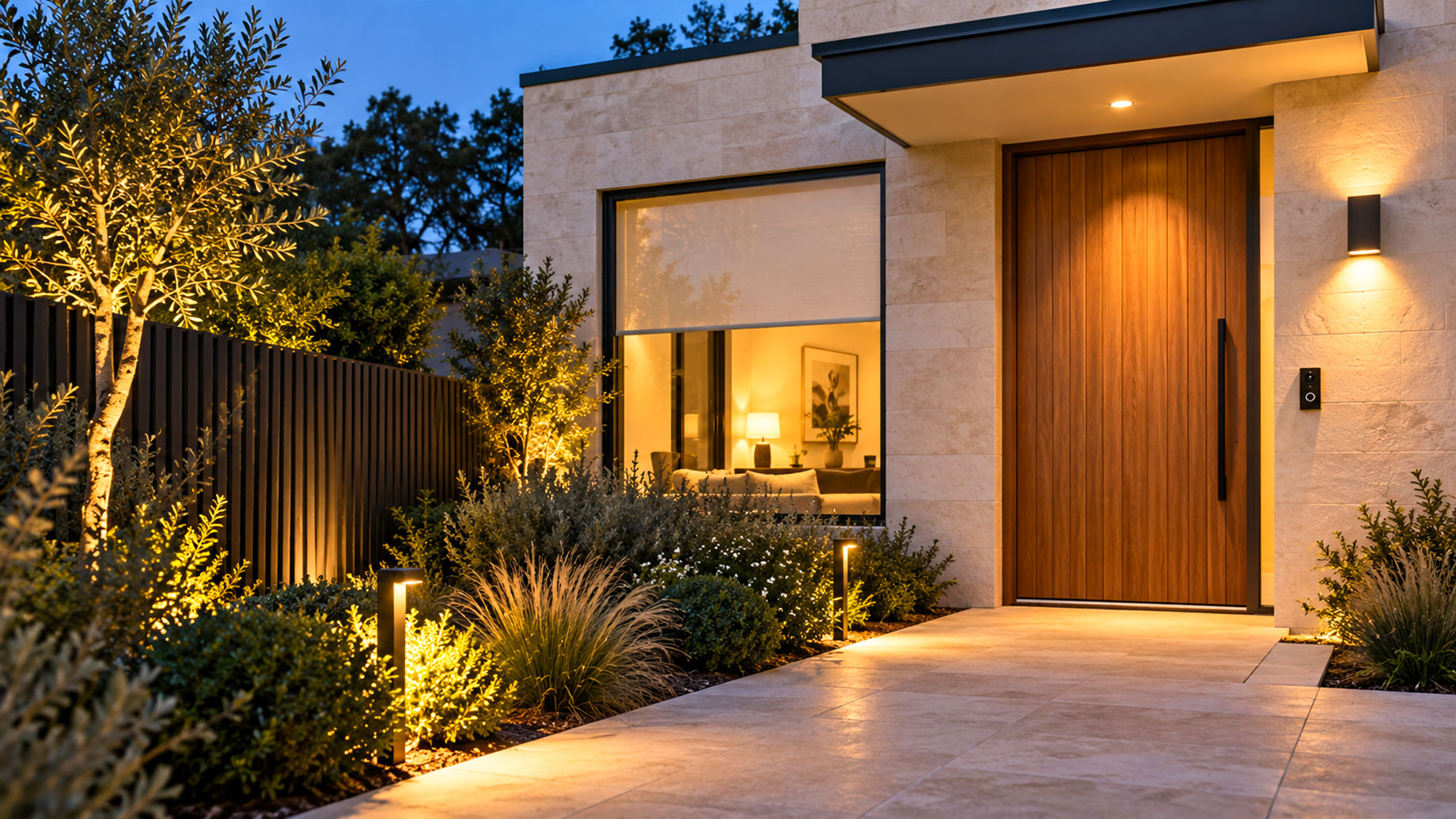
A home should feel comfortable and make a first impression- a good impression that provides privacy. You can achieve these goals by using smart technology. The best is that this does not necessarily involve a complete renovation. These practical upgrades can allow you to design your home in a more convenient and secure manner.
1. Make Indoor Spaces More Comfortable
Some thermostat models allow homeowners to adjust settings from a safe distance through an application on a smartphone. This means it’s more convenient to control energy consumption.
Another practical addition is smart blinds in areas that are exposed to high amounts of sunlight. They can be opened in the morning and closed during the heat of the day. Depending on the design of a home, automated blinds can be effective even when combined with the use of the right roof vent systems.
2. Improve Privacy with Smarter Controls
Homeowners can regulate people’s access to their home. They can do so by using smart window coverings and lighting schedules. These characteristics are not just great in bedrooms. They are also perfect living rooms.
Smart doorbells and security cameras are other features that can help. They can you to keep an eye on the doorways without having to regularly look out of them on their own. Minimise security issues by selecting devices that have strong passwords. Don’t just take note of camera angles. Also, avoid taking footage of nearby private property.
3. Upgrade Outdoor Areas for Style and Security
A well installed fence, some controlled lighting and easy garden maintenance can add a good, clear fenced area without making a home feel sealed off. Smart controls simplify these improvements in terms of management all year round.
Here are some useful exterior improvements to enhance the beauty of your home’s curb appeal:
- Smart pathway lights
- Automated irrigation
- Smart garage controls
- Outdoor cameras
4. Choose Connected Features That Work Together
Any smart home device is more efficient when the system it uses is compatible. For instance, a single routine might turn on the house’s lights, control the home thermostat and sync the blinds that are opened at the door in the evenings when the homeowner returns, etc. These steps, however, will not just depend on internet connection. They will also depend on the settings available.
Ask the vendor if you want to get new equipment if it runs on your favourite smart home ecosystem or not. If you connect devices that are compatible with each other, it can make it easier to communicate. However, it is not certain that every device type will use every feature every time.
In conclusion, smart home planning will provide increased privacy and comfort and enhance the look and value of your property. The best options address practical issues from temperature control to lighting the entrance to gaining access. Do it step-by-step, going through changes that affect your household the most, and establish a useful system that fits your home, way of life and budget.
