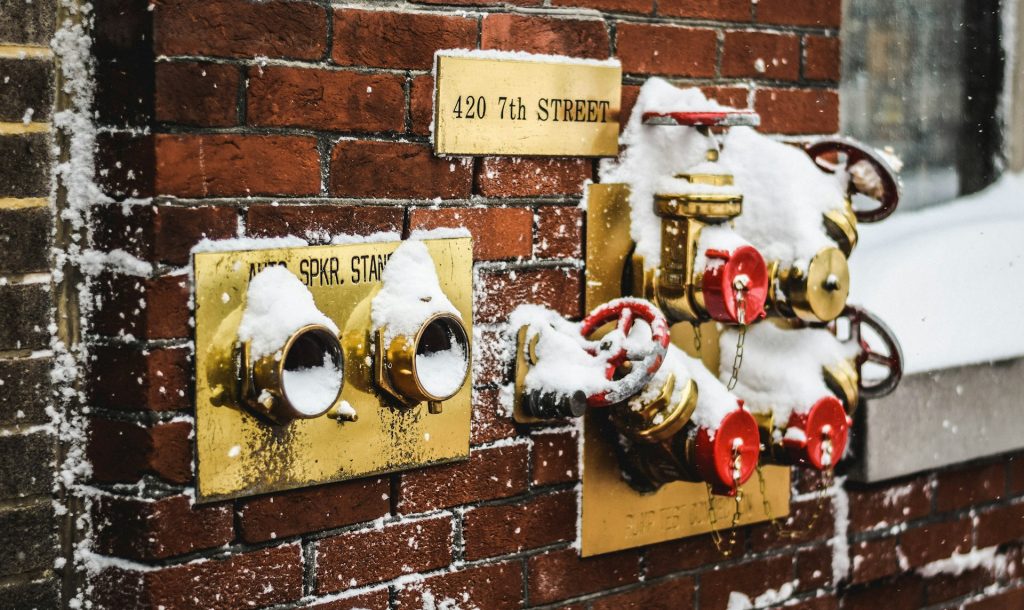
When a house sits empty during the winter, freezing temperatures can turn a small plumbing issue into a costly repair. Water left inside pipes can freeze, expand, and cause pipes to crack or burst. Once the ice melts, water may leak into walls, ceilings, floors, and other parts of the property. The risk is especially high in vacant houses where nobody is available to notice early warning signs.
Learning how to winterize plumbing in a vacant house is essential for homeowners, landlords, property investors, and anyone leaving a property unoccupied during cold weather. Proper winterization helps protect the plumbing system, prevent water damage, and reduce the likelihood of expensive emergency repairs.
Whether you are closing a seasonal home for several months or preparing an empty property for sale, this guide explains the practical steps you can take to protect your plumbing throughout winter.
Why Is Winterizing Plumbing Important in a Vacant House?
An occupied home usually benefits from regular heating, running water, and people who can identify problems quickly. A vacant house may not receive the same attention, allowing indoor temperatures to fall below freezing without anyone noticing.
When water freezes inside a pipe, it expands and places pressure on the pipe walls and joints. This pressure can eventually cause a split or burst. Damage may remain hidden until temperatures rise and the water begins flowing again.
Winterizing plumbing is particularly important for houses with pipes running through exterior walls, unheated basements, crawl spaces, garages, attics, or other poorly insulated areas.
Taking preventive measures before temperatures drop can help you avoid water damage, mold growth, damaged fixtures, and unexpected plumbing bills.
1. Turn Off the Main Water Supply
One of the first steps is to locate the home’s main water shutoff valve. In many properties, it is near the water meter, where the main supply enters the building, or in a utility room.
Turn off the main water supply before draining the plumbing system. This helps prevent additional water from entering the pipes while you prepare the house for winter.
If the house has a private well, the water pump may also need to be switched off according to the manufacturer’s instructions. However, shutting off the supply alone is not enough because water may remain trapped inside pipes, appliances, and plumbing fixtures.
Make sure everyone responsible for the property knows where the shutoff valve is located. If the valve is difficult to operate or appears damaged, contact a qualified plumber rather than forcing it.
2. Drain the Plumbing System
After turning off the water supply, open the faucets throughout the house to release the remaining water. Start with upper-floor fixtures and then work downward where practical.
Open both hot and cold taps, and allow the water to drain. Flush toilets to empty as much water as possible from the tanks and bowls, following the manufacturer’s guidance.
Remember that opening faucets does not remove every drop of water from every pipe. Low points, pipe bends, and certain plumbing configurations can retain water.
A professional plumber can identify areas where water may remain trapped and determine whether additional draining or specialized equipment is necessary.
If the house has multiple bathrooms, outdoor taps, a utility sink, or a separate laundry area, include all of them in your winterization plan.
3. Protect Toilets, Traps, and Drains
Even after the water supply has been shut off, water remains in toilet bowls, toilet traps, sink drains, shower traps, and floor drains. These areas need attention because freezing water can damage fixtures or plumbing components.
Remove as much water as practical from toilet tanks and bowls. For drain traps, follow a method suitable for the particular plumbing system and the level of freeze protection required.
A plumber may recommend a non-toxic plumbing antifreeze specifically designed for the relevant fixtures and plumbing applications. Never use automotive antifreeze in household plumbing.
Use only products labeled for the intended purpose and follow the manufacturer’s instructions. Do not pour antifreeze into a septic system or any drain unless the product specifically permits that use.
Keeping drain traps protected is important because they also help block unpleasant sewer gases from entering the house.
4. Insulate Exposed Water Pipes
Pipe insulation is one of the most effective ways to reduce the risk of freezing in vulnerable areas. Inspect pipes in basements, crawl spaces, garages, utility rooms, and exterior-facing cabinets.
Foam pipe insulation is commonly used for accessible water pipes. Choose an appropriate product for the pipe diameter and expected conditions, and install it according to the manufacturer’s instructions.
Pay particular attention to joints, bends, valves, and areas where cold air can enter through gaps around doors, windows, or service openings.
However, insulation slows heat loss rather than generating heat. In extremely cold conditions, insulation alone may not provide sufficient protection, especially if the house will remain unheated for a long period.
If you intend to keep the heating system operating, make sure vulnerable pipes receive adequate protection and that the indoor temperature remains safely above freezing.
5. Turn Off and Drain the Water Heater Safely
A water heater can hold a substantial amount of water, making it an important part of winter preparation. If the property will remain unheated, the heater may need to be drained to prevent freeze damage.
Before draining it, switch off the power supply to an electric water heater or turn off the gas supply to a gas-powered model. Never drain an electric water heater while its heating elements are energized, as this can damage the equipment.
Allow the water to cool, shut off the water supply, and follow the manufacturer’s draining instructions. Hot water can cause serious burns, so take appropriate precautions.
Some water heaters have special winterization requirements, and certain systems may need professional attention. If you are unsure how to drain your unit correctly, contact a qualified plumber.
6. Winterize Outdoor Faucets and Garden Hoses
Outdoor plumbing is especially vulnerable to freezing because it is exposed to cold air. Even when indoor pipes are protected, an outdoor faucet can freeze and cause damage to the connected pipe.
Take these precautions before leaving the property:
- Disconnect all garden hoses and drain them completely.
- Shut off the indoor isolation valve supplying outdoor faucets, if one is installed.
- Open the outdoor faucet to release remaining water.
- Install suitable insulated faucet covers.
- Drain outdoor water lines where possible.
If the property has an irrigation system, swimming pool, outdoor shower, or other water-fed equipment, arrange appropriate winterization for those systems as well.
Do not assume that shutting off the main water supply automatically empties every outdoor pipe. Some sections may retain water and require additional attention.
7. Choose the Right Heating Strategy
Not every vacant house needs the same winterization method. Your decision should depend on the local climate, the length of the vacancy, the home’s insulation, and whether reliable heating is available.
There are two common approaches.
Option one: Keep the house heated.
For a house that will be empty temporarily, maintaining a suitable minimum indoor temperature can help protect plumbing. A setting around 55°F (13°C) is a commonly recommended starting point in freezing climates, although some properties need more protection. Insulate exposed pipes and arrange regular property checks.
Option two: Shut off and drain the plumbing system.
For a house that will remain empty throughout winter without heating, a complete plumbing drain-down may be more appropriate. This involves draining the water supply system, protecting traps, and addressing the water heater and other water-using equipment.
Knowing how to winterize plumbing in a vacant house means understanding that these approaches are different. Simply turning off the heating while leaving water in the pipes can increase the risk of freezing.
If your home has a boiler, heat pump, fire sprinkler system, or specialized plumbing equipment, consult a professional before shutting off utilities. Some systems need electricity or water to maintain their protective functions.
8. Seal Air Leaks Around Plumbing Areas
Cold air entering through small openings can expose pipes to freezing temperatures even when the rest of the house remains relatively warm.
Inspect areas where pipes enter walls, floors, and foundations. Look for gaps around utility penetrations, damaged weatherstripping, broken windows, and poorly sealed exterior doors.
Use appropriate caulk, expanding foam, or weatherstripping where suitable. Keep required ventilation openings clear and follow building and fire-safety requirements.
If the property has a crawl space or basement, inspect its insulation and look for drafts around vulnerable plumbing. Correcting these issues can help maintain more stable temperatures around pipes.
9. Check Appliances and Hidden Plumbing Connections
A vacant property may contain several water-connected appliances that are easy to overlook. These can include washing machines, dishwashers, refrigerators with ice makers, water filters, and humidifiers.
Check each appliance’s instructions for winter storage or shutdown. Close its water supply where appropriate and drain hoses, filters, reservoirs, and internal water lines according to the manufacturer’s guidance.
Do not assume that draining the main plumbing system removes all water from appliances. Some components can retain water even when the supply is disconnected.
If the home has a water softener, reverse-osmosis system, or other specialized treatment equipment, follow its specific winterization procedure.
10. Inspect the Property Before Leaving
Before locking up, walk through the house and confirm that your winterization steps have been completed.
Check for visible leaks, dripping faucets, damaged pipes, and signs of moisture around plumbing connections. Confirm that the main water shutoff is closed if you are using the drain-down method.
Check the basement, crawl space, utility room, bathrooms, kitchen, and laundry area. Ensure that outdoor hoses have been disconnected and that all relevant equipment has been addressed.
If the property will remain vacant for several months, consider installing a temperature monitor or water-leak detector. Arrange for a trusted person or property manager to inspect the house periodically, particularly during severe cold weather.
These checks can help identify problems before they cause extensive damage.
Common Mistakes to Avoid When Winterizing a Vacant House
Even a carefully prepared house can experience plumbing problems if important details are overlooked. Avoid these common mistakes:
Turning off the water without draining the pipes: Water can remain inside the plumbing system and freeze when temperatures drop.
Forgetting the water heater: Incorrect shutdown or draining procedures can damage the unit. Always follow the manufacturer’s instructions.
Using automotive antifreeze: Automotive antifreeze is not suitable for household plumbing traps. Use only an appropriate non-toxic plumbing product.
Assuming insulation is enough: Insulation slows heat loss but cannot guarantee protection during prolonged freezing conditions.
Ignoring outdoor plumbing: Hose connections, irrigation lines, and outdoor faucets can remain vulnerable even when indoor pipes are protected.
Leaving the property unchecked: A leak, power failure, or heating-system problem may go unnoticed for weeks without a monitoring plan.
Ignoring fire protection systems: Shutting off the main water supply can affect a connected fire sprinkler system. Obtain professional advice before making changes.
Frequently Asked Questions
How long does it take to winterize plumbing in a vacant house?
The time required depends on the home’s size, plumbing layout, number of bathrooms, and connected appliances. Basic preparation may take a few hours, while a complete drain-down of a large or complicated property can take considerably longer. Professional winterization may be the safer choice for a house with complex systems.
Should I turn off the water when leaving a house empty in winter?
For an extended vacancy, shutting off the main water supply can reduce the risk of continuous water damage from a leak. However, the pipes must also be protected against freezing. Depending on the property, this may involve a complete drain-down or maintaining adequate heat.
Can pipes freeze even when the water is turned off?
Yes. Turning off the water supply does not remove the water already inside the pipes. Any remaining water can freeze and potentially damage the plumbing.
Is pipe insulation enough for a vacant house?
Not always. Insulation helps slow heat loss, but exposed pipes may still freeze during prolonged cold weather. A suitable heating strategy or complete plumbing winterization may be necessary.
Should I hire a plumber to winterize my vacant property?
Professional help is recommended if the property will be unheated for months, has a private well, contains a complex boiler or water heater, or includes plumbing that is difficult to drain completely. A plumber can also help prepare the system for safe use when the house is occupied again.
Conclusion
Preparing an empty property for winter is an important part of responsible homeownership. Shutting off the water supply, draining vulnerable pipes, protecting toilets and drain traps, insulating exposed plumbing, and addressing the water heater can all help reduce the risk of freezing and expensive water damage.
The best approach depends on whether the property will remain heated or completely unoccupied and unheated. When the plumbing layout is complicated, professional guidance can help ensure that hidden pipes and connected equipment are not overlooked.
Alongside practical maintenance, homeowners can explore creative ways to improve their living spaces through Home Comfort Experts, a website that provides home decor ideas inspired by celebrity homes, famous residences, and distinctive interior designs. Its content offers inspiration for readers who want to discover unique design styles and bring fresh ideas into their own homes.
By combining careful winter maintenance with thoughtful home design, property owners can protect their investment while creating comfortable, attractive spaces for the future.