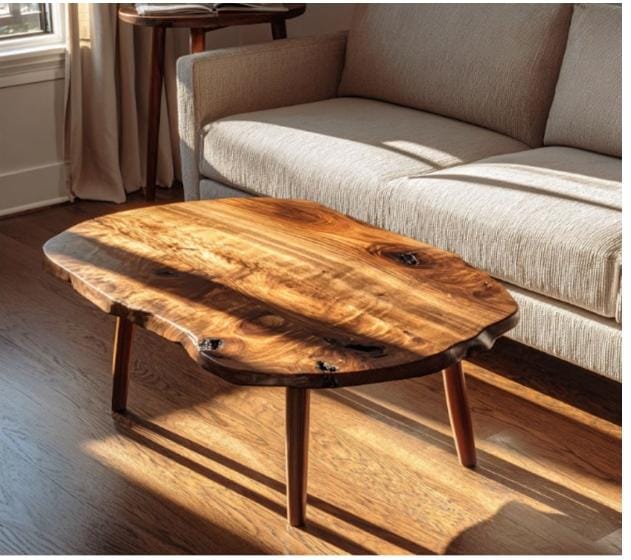
A coffee table may seem like a small detail compared with a sofa or sectional, but it can have a major effect on how a living room looks and functions. The right table fills the space without making it feel crowded, gives you a convenient surface for everyday use, and helps connect the other furniture pieces visually.
Choosing one is not simply a matter of finding a table you like. Size, shape, height, material, and the layout of your living room all matter. A beautiful coffee table can still feel awkward if it is too large for the room or too low for the sofa.
Here are the most important things to consider when choosing a coffee table for your living room.
Start With the Size of Your Sofa
The sofa should be your starting point because the coffee table needs to work in proportion to it.
For a standard sofa, a rectangular or oval table often works well because it follows the longer shape of the seating. A round or square table can be a better option when you have a sectional or a more compact seating arrangement.
The table should generally be shorter than the sofa in length. You want enough visual breathing room around the furniture rather than having the coffee table dominate the entire seating area.
Room size matters, too. A large coffee table may look impressive in a furniture showroom but feel oversized in a small living room. On the other hand, a very small table can look disconnected from a large sectional.
Before shopping, measure the area between your seating pieces. Knowing the available floor space makes it much easier to narrow down the right dimensions.
Consider the Walking Space Around the Table
A coffee table should be easy to reach without getting in the way.
Leave enough room between the edge of the table and the sofa so people can comfortably sit down, stand up, and walk around the seating area. Around 14 to 18 inches is a useful starting point for many living rooms, although the ideal distance depends on the furniture and the size of the room.
The goal is to create a natural circulation path.
If people have to turn sideways every time they walk past the sofa, the coffee table is probably too large or positioned too close. This is especially important in smaller living rooms where every inch of floor space matters.
Think about how you actually use the room rather than simply arranging furniture around visual symmetry.
Choose a Height That Works With Your Seating
Coffee table height is another detail that can make a room feel either comfortable or awkward.
A table that sits around the same height as the sofa seat is usually a safe choice. Slightly lower can also work well, particularly if you prefer a relaxed, contemporary look.
A very tall table may interfere with the visual relationship between the sofa and table. A table that is too low can also become inconvenient if you regularly use it for drinks, books, snacks, or a laptop.
If you already own your sofa, measure the seat height before choosing a table. This simple measurement can prevent an otherwise attractive piece from feeling uncomfortable.
Pick a Shape That Complements the Room
Shape can change both the appearance and practicality of a coffee table.
Rectangular coffee tables are versatile and work particularly well with traditional sofas and larger seating arrangements. Oval tables offer a softer profile while maintaining plenty of usable surface area.
Round coffee tables are useful in rooms where you want easier movement around the furniture. They also work well with sectional sofas and square seating arrangements.
If your room already contains many straight lines, a table with organic curves can introduce visual contrast. Conversely, a simple rectangular table can provide structure in a room filled with softer shapes.
Think About the Material
The material of a coffee table should relate to the rest of your interior.
Glass can make a small room feel more open because it creates less visual weight. Metal works well in industrial and contemporary interiors, while painted finishes can complement a wide range of decorative styles.
Wood is especially versatile because it brings warmth and texture into the room. Different species can create very different impressions. Dark walnut can feel sophisticated, while lighter oak creates a more casual and airy appearance.
For homeowners who want a stronger connection to natural materials, a live edge coffee table can introduce the natural contour and character of a wood slab into the seating area.
Rather than treating the coffee table as an isolated piece, consider how its material relates to your flooring, cabinets, side tables, and other wood elements.
Think About How You Use Your Living Room
Your lifestyle should influence your choice just as much as your decorating style.
If the coffee table is mostly decorative, you may prioritize appearance and sculptural design. If your family regularly eats snacks, plays games, works, or keeps books on the table, functionality becomes more important.
Storage can also be useful. Some tables include shelves, drawers, or lower surfaces for magazines and decorative objects. However, an open design can sometimes look cleaner and less visually heavy.
Families with young children may also want to think carefully about sharp corners and table stability. A rounded design can provide a more practical solution in high-traffic rooms.
Match the Table to Your Interior Style
The coffee table should feel like part of the room rather than an unrelated addition.
For a modern interior, look for clean lines, simple silhouettes, and restrained finishes. Traditional rooms can benefit from more detailed woodwork or classic proportions.
Rustic interiors often work well with natural wood, visible grain, and imperfect details. In a contemporary space, a rustic coffee table can create contrast against streamlined furniture without making the room feel overly formal.
You do not necessarily need every piece of furniture to match. In fact, using different materials and finishes can make a room feel more collected and personal.
The key is to find relationships between the pieces rather than trying to make everything identical.
Don’t Forget the Rug
The relationship between the coffee table and area rug is easy to overlook.
Ideally, the rug should be large enough to visually connect the main seating pieces. A coffee table placed on top of the rug can then act as the central element of the arrangement.
If the rug is too small, the table and sofa may appear disconnected. If the rug is large enough to extend underneath the furniture, the entire seating area usually feels more cohesive.
Consider the colors and patterns together as well. A heavily patterned rug may pair better with a simpler table, while a plain rug gives you more freedom to choose a table with distinctive wood grain or an unusual shape.
Take Measurements Before You Buy
Before ordering a coffee table, measure three things: the available floor area, the sofa height, and the distance between the table and seating.
Also consider doorways, hallways, staircases, and other areas the table will need to pass through during delivery.
A few minutes with a tape measure can save you from buying a piece that technically fits the room but makes everyday movement uncomfortable.
The best coffee table is not necessarily the largest, most expensive, or most visually dramatic option. It is the one that fits naturally into the way you use your living room.
Find a Coffee Table With Character
Once the practical requirements are clear, you can focus on personality. Natural wood, distinctive grain patterns, unusual shapes, and handcrafted details can turn an everyday coffee table into a focal point.
Tailor Wood Haven creates handcrafted wood furniture with an emphasis on natural character and individual wood slabs. For homeowners looking for a coffee table that feels less mass-produced and more connected to the material itself, exploring naturally distinctive designs can be a worthwhile final step.
The right coffee table should make your living room easier to use while also adding something visually meaningful to the space.