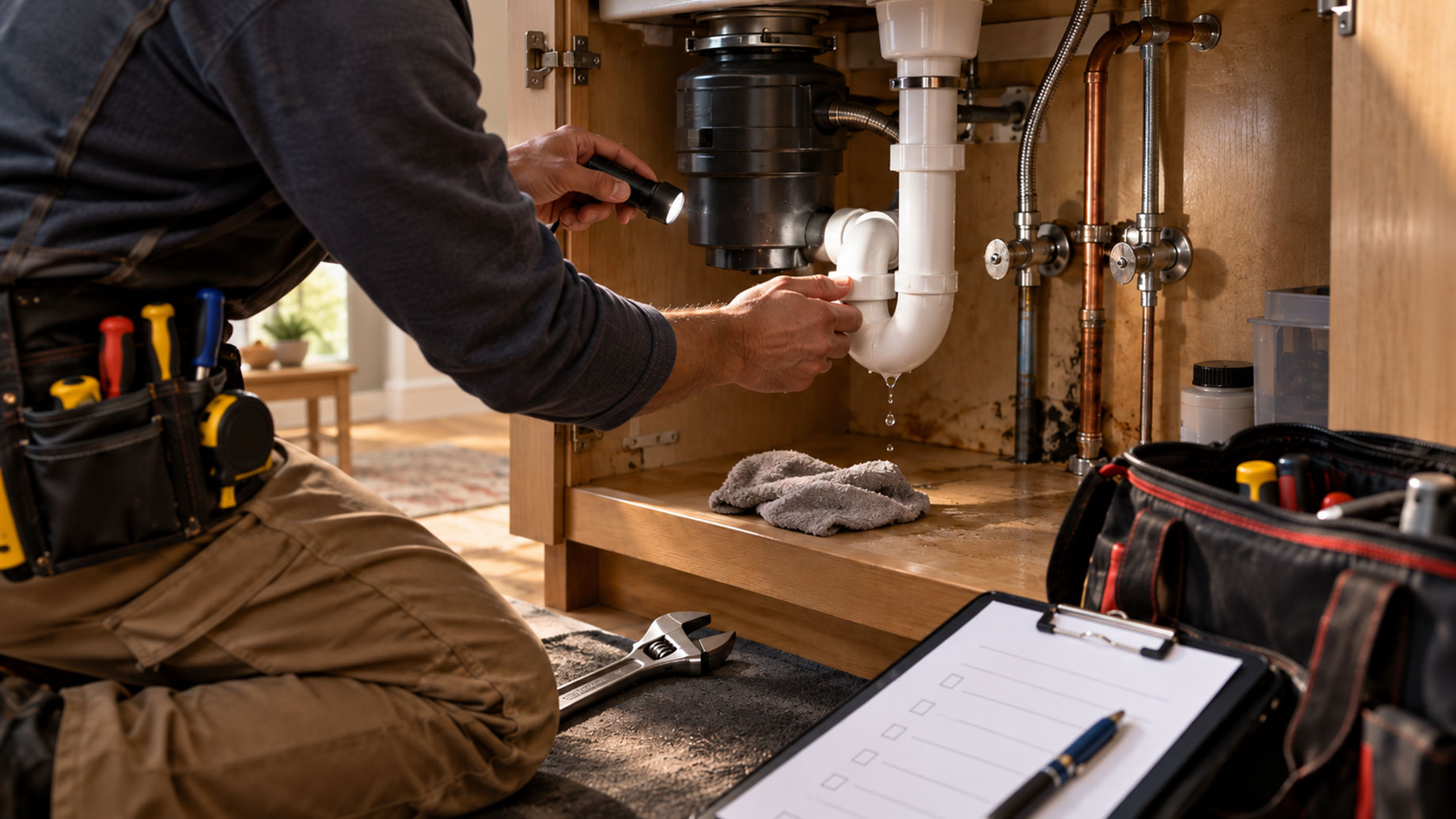
Plumbing sits in that awkward middle ground of home maintenance where a lot of small issues seem fixable with a quick internet search and a trip to the hardware store. Sometimes that’s true. A clogged drain or a running toilet often has a straightforward fix. But plumbing systems have a way of hiding bigger problems behind minor symptoms, and knowing when to stop DIYing and call a professional matters just as much as knowing how to find the right one.
Finding a properly licensed plumbing contractor before you actually need one, rather than searching in a panic once a pipe is already leaking, gives homeowners the time to vet options carefully instead of grabbing whoever answers the phone first.
Quick Answer: How Do You Find a Licensed Plumber and Know When to Call One?
Finding a licensed plumbing contractor starts with verifying credentials through your state or local licensing board, checking reviews and references, and getting written estimates from a few options before you need emergency service. As for DIY limits, most homeowners can handle simple fixes like a clogged drain or a toilet flapper, but issues involving water heaters, gas lines, main line clogs, or anything requiring pipe replacement generally call for a licensed professional.
Why Finding a Plumber Before an Emergency Matters
Searching for a plumber during an active emergency, a burst pipe, an overflowing toilet, a failed water heater, puts homeowners at a real disadvantage. There’s no time to compare quotes, check reviews carefully, or verify licensing thoroughly. Whoever can show up fastest often gets the job, regardless of whether they’re actually the best choice for the work.
This is exactly why identifying a licensed plumbing contractor ahead of time, before an emergency forces a rushed decision, puts homeowners in a much stronger position. Taking the time to verify a plumber’s license, check their reviews, and get a sense of their responsiveness during a non-emergency situation means you already have a trusted option to call when something does go wrong.
Knowing your own DIY limits is the other half of this equation. Simple issues, a slow drain, a running toilet, a dripping faucet, are often within reach for a homeowner comfortable with basic tools. But problems involving the water heater, gas lines, sewer lines, or anything that requires opening a wall or slab, cross into territory where a mistake can cause serious damage or safety risks, and that’s where professional expertise stops being optional.
Key Benefits of Vetting a Plumber Before You Need One
- No rushed decisions during an emergency. Having a vetted, licensed plumber identified in advance means you’re not choosing blindly under pressure when something actually breaks.
- Better pricing and service quality. Comparing quotes and reviews calmly, without the urgency of an active leak, generally leads to a better outcome than accepting the first available option.
- Faster response when something does go wrong. An existing relationship with a known, reliable plumber often means quicker response times than starting from scratch with an unfamiliar provider.
- Clearer understanding of DIY boundaries. Knowing in advance which issues are safe to handle yourself and which require a professional prevents costly mistakes from attempting repairs beyond your skill level.
Buying Guide: What to Check When Vetting a Plumber
| Factor | Why It Matters |
|---|---|
| License verification | Confirm the plumber’s license is active through your state or local licensing board’s online database |
| Insurance coverage | Ask for proof of liability insurance, which protects you if a repair causes unexpected property damage |
| Reviews and references | Look for a consistent pattern of positive, detailed reviews rather than a handful of generic ratings |
| Response time and availability | Ask about typical response times for both scheduled work and emergency situations |
| Written estimate practices | A plumber who provides clear written estimates tends to communicate more transparently throughout a job |
| Experience with specific issues | Ask about experience with your home’s specific plumbing type or age, especially for older homes |
| Emergency service availability | Confirm whether the plumber offers after-hours or emergency service, and at what cost |
If you own an older home with original plumbing, prioritize finding a plumber with specific experience in older systems, since materials and configurations differ significantly from modern installations.
Common Mistakes to Avoid
- Waiting until an emergency to start looking for a plumber. This forces a rushed decision without time to properly vet licensing, reviews, or pricing.
- Attempting DIY repairs on gas lines or water heaters. These systems carry real safety risks, and mistakes can lead to gas leaks, fires, or significant water damage.
- Assuming a low price means a good deal. An unusually low quote compared to other estimates often reflects missing licensing, insurance, or corners cut on materials and workmanship.
- Ignoring a slow drain or minor leak because it seems manageable. What looks like a simple issue can sometimes indicate a larger problem developing further down the line.
Expert Tips
Research and identify a licensed plumbing contractor before you actually need one, so you’re not searching under pressure during an active plumbing emergency.
Ask any plumber directly about their experience with your specific type of issue, since specialized experience with water heaters, sewer lines, or older plumbing systems matters more than general knowledge for complex repairs.
Know your own limits honestly. If a repair involves gas lines, requires opening a wall, or affects your main water or sewer line, it’s worth calling a professional rather than risking a mistake that costs more to fix than the original problem.
Why Choose A Licensed Plumber
Finding a properly vetted licensed plumber before you need one is exactly the kind of proactive step professional plumbing inspectors help homeowners take. Rather than searching under pressure during an emergency, careful verification of licensing, reviews, and reputation in advance means you already have a trusted option ready when something goes wrong.
Homeowners get clear guidance on which plumbing issues are reasonable to handle themselves and which genuinely require professional expertise, helping avoid both unnecessary service calls and costly DIY mistakes.
FAQs
How can I verify a plumber’s license is current?
Most states and localities maintain an online licensing database where you can search a license number to confirm it’s active and matches the plumber’s business name.
What plumbing issues are safe to handle myself?
Simple issues like a clogged drain, a running toilet, or a dripping faucet are generally manageable for a homeowner comfortable with basic tools and instructions.
When should I definitely call a professional instead of attempting a DIY fix?
Issues involving gas lines, water heaters, main sewer line clogs, or anything requiring opening a wall or slab should generally go to a licensed professional.
Why is it better to find a plumber before an emergency happens?
Searching during an active emergency forces a rushed decision without time to compare quotes, verify licensing, or check reviews carefully, often leading to a worse outcome.
Does a licensed plumber cost more than an unlicensed handyman?
Often yes, but that cost typically reflects insurance, code compliance, and accountability that an unlicensed worker doesn’t provide, which can save money if something goes wrong.
What should I ask a plumber before hiring them for a specific job?
Ask about their experience with your specific issue, request a written estimate, and confirm their license and insurance status directly.
Is it worth keeping a plumber’s contact information on hand even without a current issue?
Yes. Having a vetted, trusted plumber identified in advance means faster response and less stress if a plumbing emergency does arise later.
Conclusion
Finding the right plumber works best as a proactive step rather than a reactive scramble during an emergency. Verifying licensing, checking reviews, and understanding your own DIY limits in advance gives homeowners a clear plan for both routine plumbing needs and the kind of urgent situations that call for a professional right away.
