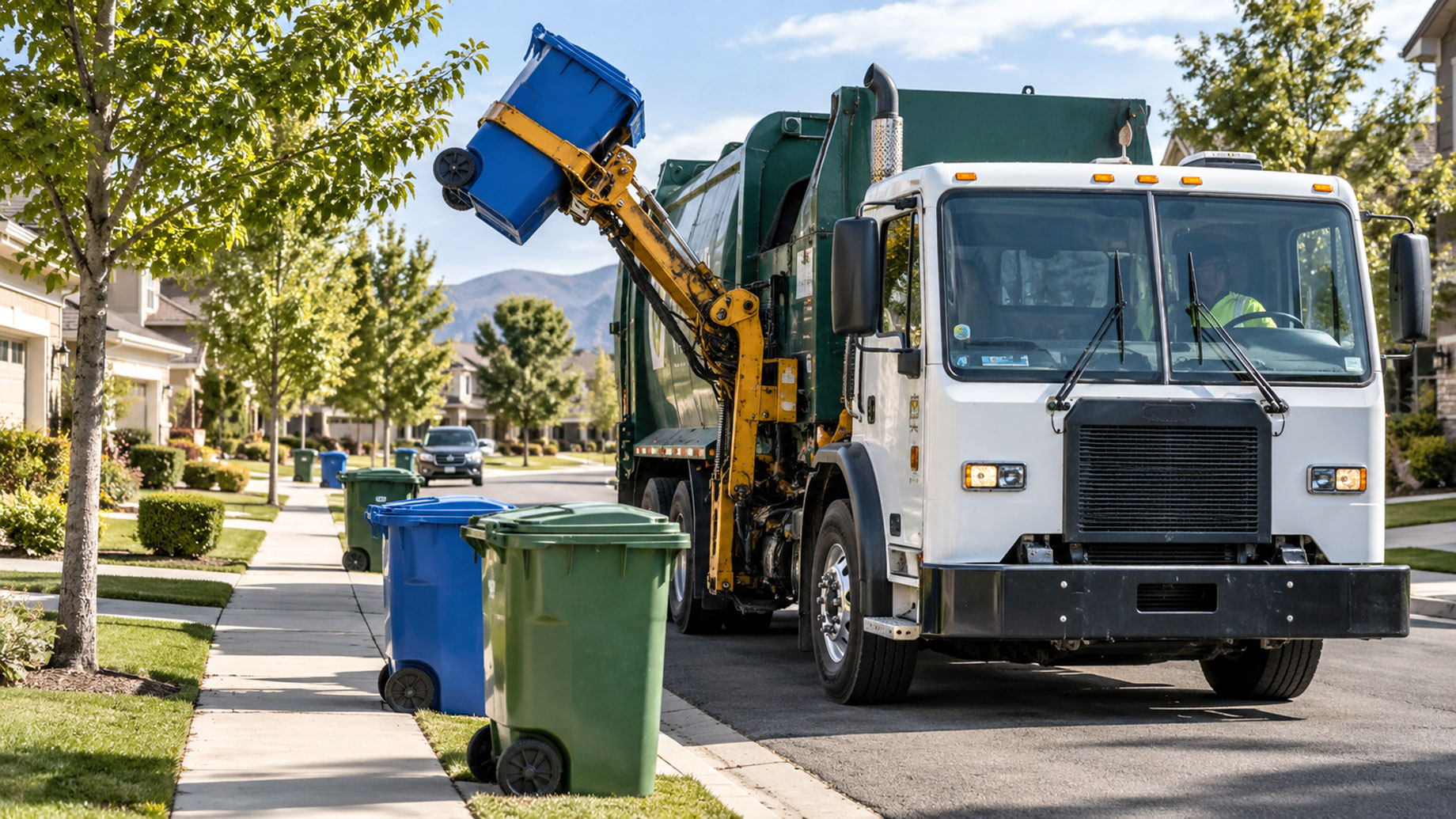
Communities generate far more material than any individual property produces, and the systems handling that volume rarely receive attention until they falter. Coordinated waste removal by Red Oak Sanitation & Recycling illustrates the scale involved across metro Atlanta, where dense residential blocks, commercial corridors, and industrial sites all feed the same regional infrastructure. Professional collection operations sit between what a community discards and where that material ultimately goes, and the quality of that link determines local water quality, landfill lifespan, public health outcomes, and how much recoverable material survives long enough to be reused.
Building Routes That Match How Communities Function
Effective collection depends on route design that reflects real conditions rather than a map drawn from a distance. Neighborhood density, road width, school traffic patterns, and commercial delivery windows all shape when a truck can realistically reach a given street. Professional operators adjust sequencing around these constraints, which reduces mileage, limits fuel consumption, and keeps heavy vehicles off residential streets during peak hours. The result is service that fits into community rhythms instead of disrupting them, and it becomes noticeable only when a poorly planned route makes it absent.
Diverting Recoverable Material From Landfill
Landfill capacity is a finite regional asset, and every ton diverted extends the useful life of facilities that are difficult and expensive to replace. Collection crews sorting material properly, combined with households separating at the source, keep cardboard, metals, and clean plastics moving toward processing rather than burial. Contamination remains the persistent obstacle, since one soiled load can send an entire batch to the landfill. Consistent education about what belongs in which container produces better diversion outcomes than any equipment upgrade a facility could purchase.
Handling Oversized and Seasonal Material
Certain material falls outside routine weekly collection and causes real problems when it is left at the curb or dropped in the wrong bin. Furniture, appliances, and the debris from a garage clearout all exceed what a standard cart will hold, which is where the Red Oak Sanitation & Recycling bulk trash pickup fills the gap with scheduled removal of large items. Appliances containing refrigerants, electronics, and household chemicals each require separate handling governed by regulation, and a professional operator maintains those pathways so hazardous material stays out of the general stream where it would contaminate loads or endanger crews.
Serving Residential and Commercial Needs Together
A community is not a single customer type. Households need predictable weekly service, restaurants need frequent collection of organic material, retail centers need compactors sized to their footprint, and construction sites need temporary containers that appear and disappear on short notice. Professional operators maintain the fleet variety and the dispatch capacity needed to cover all of it at the same time. That breadth matters during expansion, when new developments come online and collection must scale without degrading service on established routes across the metro area.
Supporting Emergency and Storm Response
Severe weather generates debris volumes that overwhelm normal capacity within a single afternoon. Fallen limbs, damaged fencing, water-soaked furnishings, and construction waste from repairs appear across an entire service area at once. Operators with established local fleets can redirect equipment quickly and coordinate with public works departments on staging and disposal. That responsiveness shortens the recovery period considerably, and prolonged debris piles also create secondary hazards along roadsides and drainage paths when removal is delayed.
Conclusion
Collection operations function as community infrastructure even though they are rarely described that way. Thoughtful routing keeps trucks efficient and streets clear, diversion protects landfill capacity, handling for oversized material keeps hazards contained, varied fleet capability serves every property type, and local presence enables fast recovery after storms. None of this attracts notice while it works properly. The value becomes obvious only during the weeks when normal service breaks down, when a community suddenly discovers how much daily life depends on material simply leaving on schedule.
