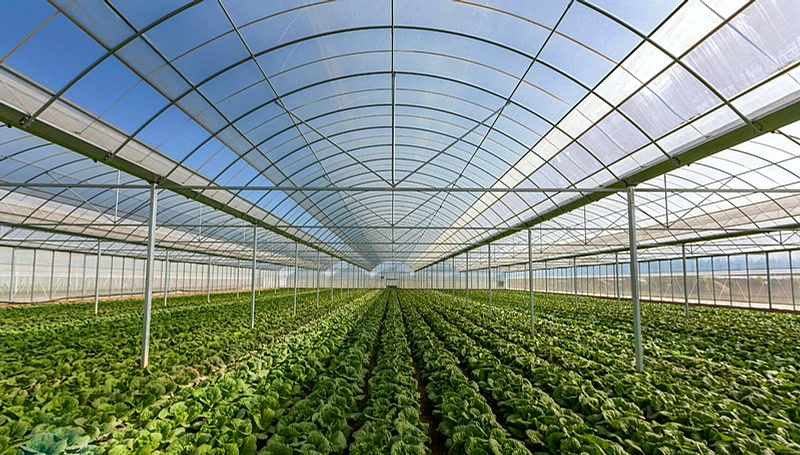
Growing plants at home can be a rewarding experience, but changing weather conditions can make gardening difficult. Heavy rain, strong winds, unexpected cold, excessive heat, and pests can all affect plant growth. A greenhouse provides a controlled environment where gardeners can protect plants while extending the growing season.
Whether you are an experienced gardener or just starting out, choosing the right greenhouse requires careful consideration. From size and materials to ventilation and location, several factors can influence how well a greenhouse works for your needs.
Why Consider a Greenhouse?
A greenhouse creates a protected environment for growing vegetables, flowers, herbs, and other plants. Its covering allows sunlight to enter while helping retain warmth inside. Depending on the design, a greenhouse can also protect plants from harsh weather and certain pests.
One of the biggest advantages is an extended growing season. Gardeners can start seeds earlier in the year and continue growing certain crops later into the season. This can be particularly useful for plants that require warmer conditions than the local outdoor climate provides.
A greenhouse can also give gardeners greater control over growing conditions. Temperature, humidity, watering, and ventilation can be managed more carefully than they usually can in an outdoor garden.
Choosing the Right Size
Before buying a greenhouse, think about how much space you actually need. A small structure may be sufficient if you only want to grow herbs, seedlings, or a few vegetables. However, gardeners planning to grow multiple crops may benefit from a larger structure.
It is usually helpful to consider future needs rather than choosing a greenhouse based only on your current collection of plants. Once you begin growing under cover, you may want to add more plants, shelving, propagation areas, or gardening equipment.
Measure the available area carefully before making a purchase. Remember to leave enough space around the greenhouse for access, maintenance, cleaning, and ventilation.
Exploring Greenhouse Kits
For many home gardeners, Greenhouse Kits can provide a convenient way to create a dedicated growing space. These kits typically contain the main components needed to assemble a greenhouse, making them suitable for people who prefer a structured installation process.
When comparing kits, look at the frame material, covering, size, door design, ventilation options, and available accessories. Aluminum and galvanized steel frames are commonly used because they can provide strength while requiring relatively little maintenance. Wooden frames can also be attractive and may complement traditional garden designs.
The covering is equally important. Different materials allow different amounts of light to pass through and offer varying levels of insulation and durability. Consider your local climate and the types of plants you intend to grow when selecting a covering.
Comparing Greenhouses for Sale
If you are shopping online or visiting garden suppliers, you will find many different Greenhouses for sale, ranging from compact backyard models to larger structures designed for serious gardening.
Avoid choosing a greenhouse based solely on its appearance or price. Instead, compare the features that will affect everyday use. For example, check whether the doors are large enough to move plants and gardening tools through easily. Look at the number and position of vents, as good airflow is essential for healthy plants.
You should also consider the greenhouse’s structural strength. If your area experiences strong winds, heavy rain, or snow, a lightweight structure may require additional support or anchoring.
Think About Ventilation
Ventilation is one of the most important parts of greenhouse management. While a greenhouse is designed to retain warmth, excessive heat can damage plants.
Vents allow hot air to escape and fresh air to circulate. Some greenhouses have roof vents, side vents, or doors that can be opened to improve airflow. Automatic vent openers are also available for certain models and can help regulate temperatures when gardeners are not available to open the vents manually.
Good ventilation also helps manage humidity. Excessive moisture can encourage fungal problems and other plant diseases, so maintaining appropriate airflow is essential.
Selecting the Best Location
Where you place your greenhouse can have a major effect on its performance. Most plants require plenty of sunlight, so select a location that receives adequate direct light throughout the day.
Avoid placing the greenhouse directly beneath large trees if possible. Branches can block sunlight, while falling leaves can cover the roof and reduce light transmission. Tree roots may also make construction and future maintenance more difficult.
The ground should be relatively level and stable. A solid foundation can improve stability and help protect the structure from movement caused by wind or weather.
Also think about accessibility. A greenhouse located close to your home or garden makes it easier to carry soil, water, tools, pots, and harvested produce.
Heating and Temperature Control
Not every greenhouse requires additional heating. Your decision will depend on the climate, greenhouse design, and plants you want to grow.
For gardeners who want to grow warm-season plants during colder months, supplemental heating may be useful. However, heating a greenhouse can increase energy costs, so insulation and proper ventilation should be considered first.
Shade cloths can also help prevent excessive temperatures during hot weather. In particularly warm climates, combining ventilation with shading can help create a more suitable environment for plants.
Planning the Interior
Once the greenhouse structure is selected, think about how you will organize the inside. Shelving can make better use of vertical space and provide an ideal area for seedlings and smaller plants.
Raised benches can make gardening more comfortable and improve organization. Containers, hanging baskets, and grow bags can also be used depending on the plants being grown.
Leave enough space for walking and maintenance. A greenhouse that is packed too tightly can become difficult to water, prune, harvest, and clean.
Choosing Plants for Your Greenhouse
A greenhouse can support many different types of plants, but it is still important to choose varieties suited to your growing conditions.
Tomatoes, peppers, cucumbers, lettuce, herbs, strawberries, and many flowers can perform well under suitable greenhouse conditions. Seedlings can also benefit from the protected environment before being transplanted into an outdoor garden.
Keep in mind that different plants have different temperature, light, humidity, and watering requirements. Organizing plants according to their needs can make greenhouse management easier.
Maintenance Matters
A greenhouse is not completely maintenance-free. Regular cleaning helps keep light transmission high and reduces the buildup of dirt, algae, and plant debris.
Inspect the frame, covering, doors, vents, and fasteners periodically. Repair small problems before they become larger ones. Check plants regularly for insects and signs of disease as well.
Good hygiene is particularly important in an enclosed growing environment because problems can spread quickly between plants.
Making a Practical Investment
A greenhouse can be a valuable addition to a garden, but the best choice depends on your available space, budget, climate, and gardening goals. Instead of focusing only on the initial purchase price, consider long-term durability, maintenance requirements, ventilation, accessories, and potential expansion.
A well-planned greenhouse can provide a comfortable growing environment and make gardening more productive throughout the year. Whether you choose a compact structure for a small backyard or a larger greenhouse for an extensive collection of plants, careful planning will help you get more value from your investment.
Ultimately, the right greenhouse should fit both your garden and your gardening habits. By comparing different designs, understanding the materials, choosing a suitable location, and planning for proper ventilation and maintenance, you can create a productive space where plants have the conditions they need to thrive.