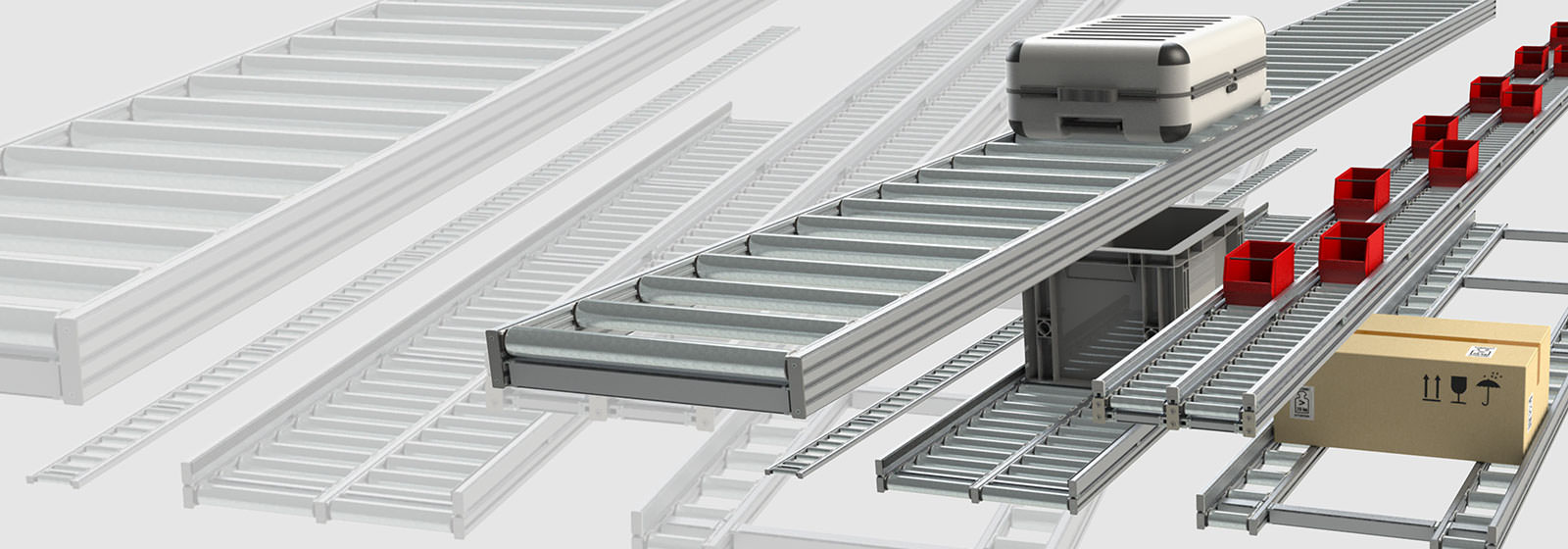
Choosing conveyor equipment can become difficult when your production line has tight space, changing product sizes, or strict automation needs. You need to have secure material movement; however, you require tools that meet your layout. An improper system can cause delays, maintenance requirements, and make future integration more difficult.
A practical approach is to compare suppliers by product range, customization, automation support, and application experience. It is also important to look at whether each individual supplier will be able to cater to your process and production needs. The right conveyor partner can make system design, integration, and expansion easier.
Here are seven conveyor systems companies to consider for modern manufacturing, material handling, and automation applications.
1. Montech
Montech specializes in conveyor and profile technology for industrial automation. Its portfolio includes belt conveyors, transfer systems, roller conveyors, aluminum framing, and machine guarding for production and assembly layouts.
When comparing the best conveyor manufacturers, Montech stands out for its modular approach. Its conveyor and profile systems can help you build coordinated workstations while supporting space-efficient layouts and equipment integration.
Montech serves industries such as automotive, electronics, pharmaceuticals, plastics, medical technology, and packaging. Its modular solutions can also support production lines that need flexibility as processes or layouts change.
2. Ultimation
Ultimation belt conveyors provides belt conveyor equipment for manufacturing, warehousing, distribution, and general material handling. Its product range includes different belt configurations designed for various loads, product types, and layouts.
The company provides options for fixed and variable-speed applications. That flexibility can help you match conveyor movement with your production requirements. You can also consider factors such as conveyor length, belt type, product dimensions, and available facility space when selecting equipment.
Ultimation can be relevant when you need practical conveyor systems for packages, boxes, parts, and other products. Its range gives you several configuration choices without limiting your selection to one standard conveyor format.
3. GSI
GSI belt conveyors focus on material handling for grain and agricultural operations. Its portfolio includes Select and Select IS enclosed belt conveyors designed for grain transport and related applications.
GSI’s belt conveyor systems address long-distance material movement and different capacity requirements. Enclosed conveyor designs can help provide controlled grain transport while supporting the needs of agricultural facilities with demanding material-handling workflows.
GSI may be particularly relevant when grain is the primary material in your operation. Its broader material-handling portfolio also gives agricultural facilities access to equipment that can work alongside belt conveyors within larger grain-handling systems.
4. KWS Manufacturing
KWS belt conveyors designs belt conveyors for bulk material applications. Its equipment serves industries that include chemicals, minerals processing, food, wood products, and wastewater treatment.
KWS considers application factors such as material characteristics, feed rate, loading conditions, and temperature. These details matter when you are moving bulk materials with different physical properties. Conveyor selection can therefore be based on the material and process rather than simply the required conveyor length.
Its belt conveyor options support horizontal and inclined material movement. KWS also provides configurations for applications that require containment, durability, or specific environmental considerations. That makes the company relevant for specialized bulk-handling requirements.
5. Dorner Conveyors
Dorner Conveyors provides industrial conveyor systems for manufacturing, packaging, material handling, and automation. Its portfolio includes fabric belt, modular belt, flexible chain, and pallet conveyor solutions.
Dorner offers conveyor platforms suited to different product sizes, loads, and production environments. Depending on your application, you can use these systems for product transfer, assembly processes, packaging operations, and other material-flow requirements.
Automation is another important part of Dorner’s product range. Its conveyor solutions can support applications where product positioning, controlled movement, and integration with production equipment are important. The company also serves industrial and sanitary applications.
6. QC Conveyors
QC Conveyors provides conveyor systems for automation, packaging, and material handling. Its range includes aluminum-frame, industrial, modular plastic chain, and sanitary conveyors.
The company serves industries such as automotive, pharmaceuticals, food and beverage, and packaging. You can select different conveyor sizes, belts, drives, and accessories based on your production requirements.
QC Conveyors offers both standard and custom solutions. This can help when you need a conveyor to fit a specific machine or production layout. Compatibility with other equipment is also important when building automated conveyor systems.
7. Robotunits
Robotunits provides conveyor technology as part of a modular automation platform. Its portfolio includes belt, modular belt, timing belt, powered roller, and slat-top conveyors.
Its modular design allows conveyor components to work with other automation products. This can help you create a material-flow system that fits your production layout. Timing belt conveyors can also support applications that need controlled product movement.
Robotunits serves manufacturing, material handling, and mechanical engineering applications. Its configuration tools can help you define conveyor sizes and components for your process. This makes the system easier to adapt to different production requirements.
Conclusion
Choosing among conveyor systems companies starts with your application. Consider your product type, load, speed, route, available space, and operating environment. Then compare suppliers based on how well their equipment fits those needs.
You should also think about future changes. Modular conveyor equipment can give you more flexibility when your layout or process changes. A clear comparison can help you choose a system that supports reliable material flow and easier future upgrades.
FAQs
1. Top conveyor systems companies in the US?
Montech, Ultimation, GSI, KWS, Dorner, QC Conveyors, and Robotunits serve different manufacturing and material-handling needs.
2. Best conveyor companies for automation and material handling?
Montech, Dorner, QC Conveyors, and Robotunits offer conveyor solutions for automation and material-handling applications.
3. Best belt conveyor manufacturers for light-duty assembly?
Montech, Ultimation, Dorner, QC Conveyors, and Robotunits offer belt conveyor options for light-duty assembly and material movement.