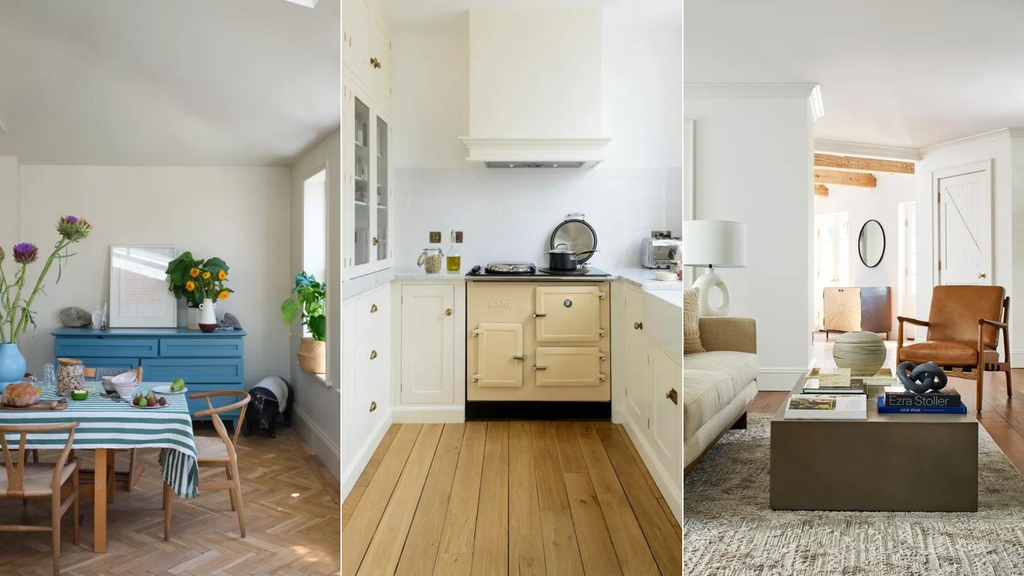
A retired couple in Park Slope spent four months deciding what to do with a dining table that seated ten, in an apartment they were leaving for a place that could barely fit a table for four. They loved that table. They’d hosted twenty years of holidays around it. In the end they sold it to a young family two blocks away who’d been searching for exactly that size, and the wife told me afterward that watching someone else’s kids climb under it during the pickup felt better than she expected, like the table’s story just kept going instead of ending in a storage unit.
That’s the part of downsizing nobody prepares people for. It’s not really about fitting into a smaller space. It’s about deciding which parts of a bigger life travel forward with you and which parts get handed to someone else to carry on.
The Emotional Calculation Slows Everything Down, and That’s Not a Flaw
People expect downsizing to be a physical challenge, measuring furniture against floor plans. The actual bottleneck is almost always emotional, and rushing through it tends to produce regret later, either items sold too hastily or items kept that never should have made the cut.
Giving the emotional sorting real time, weeks rather than a single frantic weekend, produces better decisions. That’s worth saying plainly because most moving timelines don’t build in room for it, treating decluttering as a task to knock out quickly rather than a process that benefits from sitting with a decision overnight before finalizing it.
Selling Well Means Understanding How Buyers Actually Search
Once someone’s ready to sell rather than keep, execution matters more than people assume. A beautiful item, photographed poorly or described vaguely, sits unsold for weeks while an ordinary item with the right details moves in days.
Keywords that draw views on eBay tend to be specific rather than general: brand names, model numbers, era or decade, material, condition descriptors buyers are actually typing into search bars. “Vintage teak credenza, 1960s Danish modern” pulls far more attention than “wood cabinet, good condition,” even though both describe the same object. Sellers who spend ten minutes researching how similar items are titled, rather than guessing at generic language, consistently see faster sales and better prices for pieces that might otherwise sit ignored.
Storage Should Bridge a Timeline, Not Absorb an Undecided Life
Downsizing rarely happens instantly. There’s usually a gap, sometimes weeks, sometimes months, between leaving a larger space and settling fully into a smaller one, and that gap creates a real need for temporary holding space while sales complete or family members arrange pickup.
Finding self storage units in Brooklyn works well for exactly this kind of bridge, particularly for larger furniture mid-sale or seasonal items waiting for a permanent home elsewhere. Where it stops working is when storage becomes a way to avoid finishing the decisions that downsizing actually requires. A unit meant to hold things for six weeks that turns into eighteen months isn’t solving the downsizing problem. It’s just relocating it somewhere with a monthly bill attached.
Some Items Deserve a Slower, More Deliberate Exit Than a Quick Sale
Not everything should go through the fastest available channel. A piece with real history, a piece of furniture built by a family member, an item with genuine collector interest, benefits from a more careful sale process: better photography, a more detailed story in the listing, sometimes reaching out directly to people known to collect that specific category of item rather than posting broadly and hoping the right buyer finds it.
This takes longer. It’s worth it for the handful of items in most households that carry more than just resale value, where finding the right next owner matters as much as the price.
Downsizing Successfully Changes How People Relate to What They Keep
Something shifts in people after they’ve gone through this process well. Having handled dozens of decisions about what to keep and what to release, the remaining possessions tend to feel more intentional, chosen rather than simply accumulated. That shift outlasts the move itself.
The dining table now sits in a Brooklyn apartment with a young family gathered around it most nights, and the couple who sold it live two blocks away in a place with room for exactly what they need and nothing they don’t. Downsizing done well isn’t loss. It’s editing a life down to the parts that still earn their place in it.