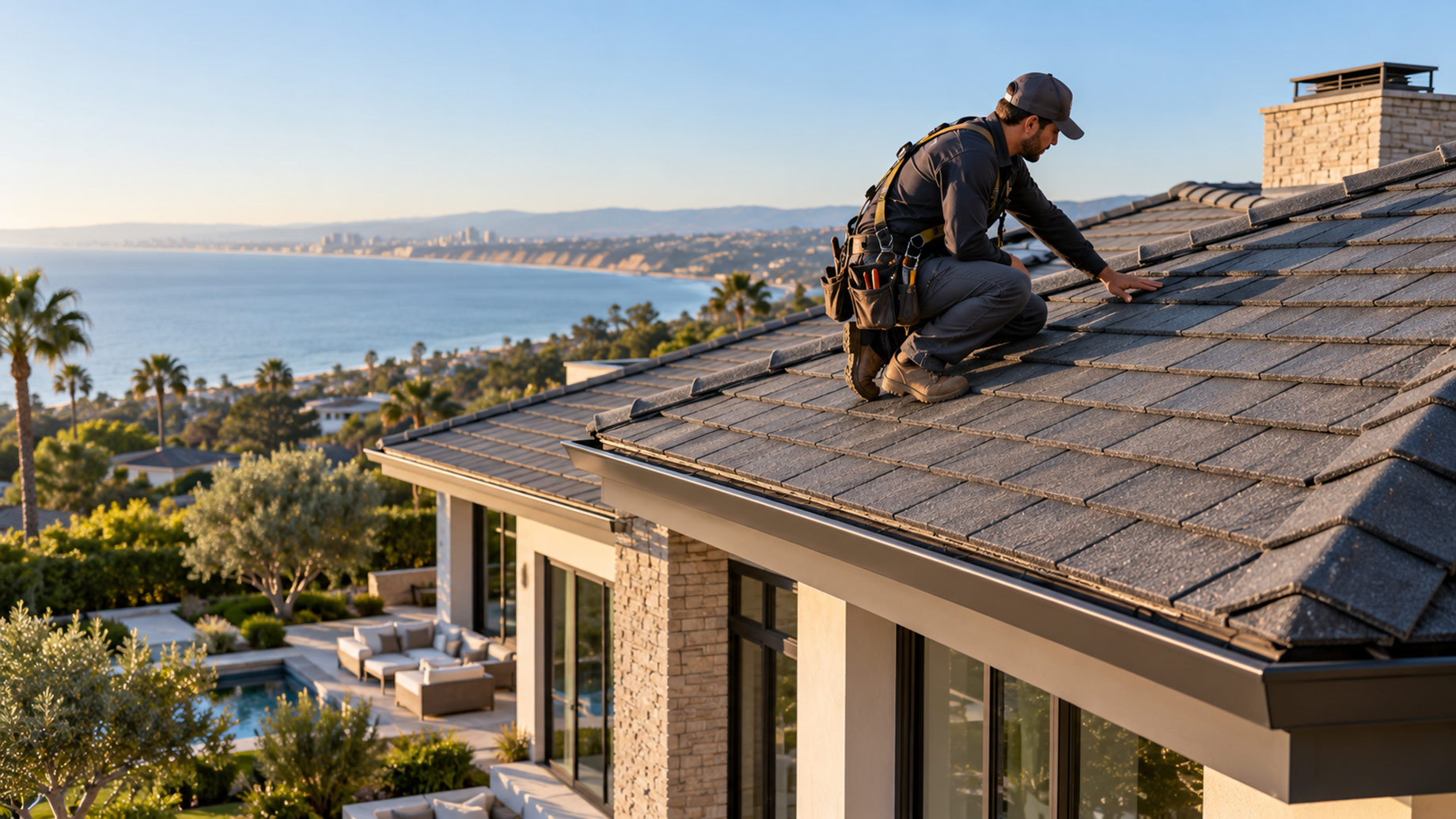
A residence represents one of the largest financial assets a family will ever acquire. Protecting that physical structure requires consistent care from the top down. A well-maintained roof shields interior living spaces, preserves foundational strength, and secures long-term property valuation.
Evaluating Structural Preservation for High-Value Properties
Homeowners often underestimate how subtle overhead wear translates into massive structural damage. Seeking qualified residential roofing near me connects property owners with local experts capable of identifying hidden moisture intrusion early. Early detection stops minor shingle defects from deteriorating underlying timber decking and ceiling joists.
Routine inspections safeguard custom architectural details and interior craftsmanship. Water leaks destroy drywall, ruin electrical wiring, and trigger mold growth within wall cavities. Consistent professional oversight maintains structural integrity before catastrophic failures occur.
Luxury homes feature complex architectural configurations that require specialized attention. Custom flashing around chimneys, skylights, and dormers demands periodic inspection by trained professionals. Proactive monitoring ensures structural materials stay resilient against heavy rain and snow load.
Expanding Market Demand for Single-Family Protection
Global single-family housing data highlights a growing recognition of overhead structure care among property owners. Industry figures from a global residential report show the residential single-family roofing market reached $82.32 billion in 2024. This expanding sector reflects rising homeowner commitment to securing residential assets against environmental weathering.
Rising replacement expenses push families to focus on longevity rather than full tear-offs. Data from a market research group indicates the global roof maintenance services sector reached $15 billion in 2025 and will expand to $25 billion by 2035. Routine servicing expands roof lifespan, allowing owners to allocate capital toward other equity-building projects.
Investing in preventive care offers homeowners financial predictability. Scheduled roof tune-ups replace worn sealants, repair loose flashing, and secure loose shingles before minor leaks escalate. This proactive strategy protects major structural assets from sudden budget shocks.
Preventing Severe Financial Losses Through Routine Checks
Ignoring minor wear creates compounding liabilities for single-family estates. An insurance analytics report notes roofs in moderate or poor condition generate roughly 60 percent higher loss costs compared to structures in good or excellent condition. Scheduled care mitigates those elevated expenses by correcting minor vulnerabilities before severe storms hit.
Property owners should monitor several key warning indicators during seasonal property walk-throughs:
- Loose or missing shingles along eaves and ridge caps
- Cracking or deterioration in chimney flashing seals
- Granule accumulation inside perimeter gutter systems
- Dark streaks or water discoloration on interior attic rafters
Addressing these items early keeps repair scope small and predictable. Unchecked deterioration invites structural compromise, interior water damage, and emergency repair fees. Strategic maintenance protects both immediate home comfort and future resale pricing.
Weather Resilience and Insurance Risk Mitigation
Extreme weather events continue driving severe loss statistics across residential communities. Insurance industry statistics reveal roof-related insurance claims hit $31 billion, and residential roofing projects maintain a 7.35% annual growth rate. Insurers reward proactive owners who document ongoing structural upkeep with better coverage stability.
Maintaining clear maintenance records helps streamline insurance claims after severe weather. Adjusters review past maintenance logs when assessing storm damage versus pre-existing neglect. Proactive upkeep ensures claims receive prompt processing without coverage disputes.
Documented inspections demonstrate responsible homeownership to policy providers. Annual photo logs and contractor invoices create an indisputable record of roof condition. This documentation protects policyholders during complex claim evaluations.
Financial Impact of Deferred Roof Replacement
Delaying necessary roof repairs dramatically inflates ultimate replacement costs. Industry trade metrics reveal average residential roof replacement costs rose to $17,631 in 2025, marking a 33% increase over the 2021-2024 average. Material inflation and labor demands make immediate attention far more cost-effective than procrastination.
Deferred care causes secondary damages throughout the residence. Water seeping through neglected underlayment weakens ceiling structures, damages insulation performance, and ruins custom flooring. Paying for structural restoration alongside roof replacement multiplies total outlay exponentially.
Timely maintenance extends functional material lifespans by up to 50 percent. Replacing worn shingles or damaged flashing costs a fraction of full replacement pricing. Smart asset management minimizes lifetime housing expenses.
Maximizing Resale Equity and Curb Appeal
Architectural appeal and exterior condition dictate property value in premium residential neighborhoods. A national real estate study shows a new asphalt shingle roof yields an average return on investment of 60.7% upon property sale. Prospective buyers view a young, pristine roof as a major risk reduction factor.
A strong overhead structure strengthens seller negotiating leverage during buyer inspections. Inspection reports flagging old or worn roofs lead to steep price concessions or demands for full replacement credits. Maintaining pristine roof condition preserves listing price strength and speeds up closing timelines.
First impressions set the tone for prospective home buyers. A crisp, uniform roofline signals meticulous maintenance throughout the entire property. High-end buyers pay a premium for move-in ready residences that require zero immediate capital repairs.
Long-Term Maintenance Framework for Homeowners
Establishing a routine care schedule protects residential equity over decades. Property owners benefit from organizing upkeep around seasonal transitions:
- Clearing leaves and debris from gutter channels twice annually
- Trimming overhanging tree branches away from shingle surfaces
- Inspecting attic ventilation ports for proper airflow and seal integrity
- Booking professional inspections following severe wind or hail storms
Following a structured schedule prevents minor issues from compounding into expensive structural failures. Consistent execution preserves building materials and maximizes total system lifespan.
Routine maintenance schedules eliminate guesswork for busy homeowners. Setting calendar reminders for spring and autumn checks keeps home preservation on track. Consistent habits prevent costly emergency repairs.
Strategic Upgrades for Modern Architecture
Modern residential designs incorporate complex rooflines, skylights, and premium roofing materials. Integrating durable underlayment and high-grade flashing around architectural features adds layers of defense against driven rain. Premium materials deliver elevated protection and match custom luxury aesthetics.
High-performance roofing systems boost residential energy efficiency. Advanced solar-reflective shingles reduce heat absorption during hot summer months, lowering cooling costs. Energy efficiency upgrades boost daily comfort and increase long-term property values.
Custom homes require customized maintenance approaches tailored to specific roofing materials. Cedar shakes, slate tiles, and architectural shingles each demand distinct inspection methods. Partnering with experienced contractors keeps specialized materials performing at peak levels.
A sound roof forms the core foundation of home security and financial peace of mind. Investing in routine care today prevents severe structural expenses tomorrow and keeps family assets secure. Protecting the top envelope of a luxury property secures family wealth, improves visual appeal, and maintains structural integrity for generations.