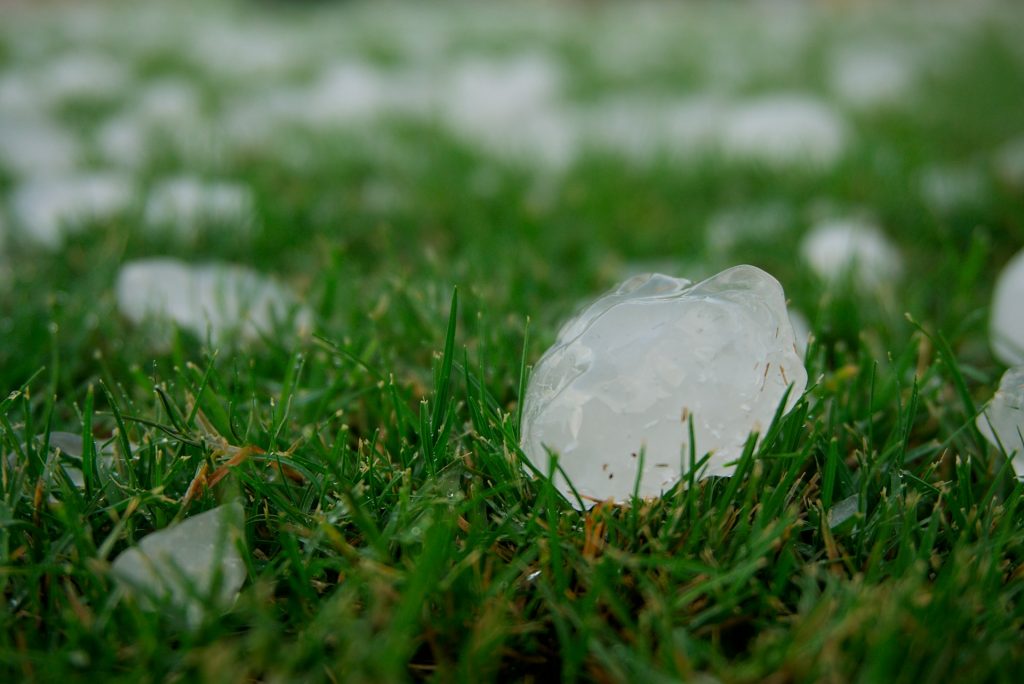
Hail does not damage all siding materials the same way. The failure mode depends on the material’s composition, its temperature at the time of impact, and what sits behind it. Understanding these differences before a storm is the information that changes material selection. Understanding them after a storm is what determines whether a repair addresses the full scope of damage or only its surface expression.
Hail impacts the roof and vertical exterior during the same storm, so siding cannot always be assessed separately from the rest of the building envelope. Damage to siding can involve cracked or fractured panels, displaced sections, compromised seams, or damage beneath the visible surface. Pinnacle Roofing Associates approaches these conditions as part of the building envelope, including work associated with a siding Company Aurora Colorado. A post-storm assessment that examines both the roof and exterior walls provides a more complete picture of how the building was affected.
How Each Material Responds to Hail Impact
| Material | Failure Mode | Repairable | Temperature Factor | Class 4 Rated Option |
| Standard vinyl | Denting, cracking | Individual panel | High sensitivity below 50°F | Yes |
| Fiber cement | Paint film crack | Panel + refinish | Low | No |
| Engineered wood | Surface fracture, edge swelling | Partial if substrate dry | Moderate | No |
| Traditional wood | Finish breach, splitting | Dutchman splice or full board | Low | No |
| Steel siding | Denting without cracking | Panel replacement | Low | Yes |
The temperature sensitivity row is the variable most homeowners in this market do not account for. PVC compounds become progressively more brittle as temperature drops. Aurora’s spring and fall hail events occur during frontal passages that drop temperatures rapidly. A hail event that begins at 62 degrees and ends after the front pushes temperatures to 44 degrees produces crack failures in standard vinyl at impact energies that cause only denting in the same material at summer temperatures.
The IBHS documented this behavior in controlled testing published in 2020. Vinyl siding panels at 40 degrees Fahrenheit showed crack failure at impact energies that produced surface deformation only at 70 degrees using identical stock and projectile conditions.
What Sits Behind the Siding Determines the Real Damage Scope
The siding panel is the first layer. Behind it: house wrap, structural sheathing, wall framing. Which of these layers was compromised determines the actual repair scope.
Scenario A: Siding cracked but house wrap intact. Repair is panel-level. Water barrier is undamaged. New panels install over sound substrate.
Scenario B: Siding cracked, water infiltrated across multiple storm seasons before identification. House wrap at the breach point degraded from repeated wet-dry cycling. OSB sheathing absorbed moisture at the compromised zone. Sheathing loses structural integrity at edges and fastener zones first. New siding installed without addressing this condition fastens into degraded OSB rather than sound wood.
The difference between these two scenarios is invisible from the exterior. It requires removing a damaged panel and assessing what is behind it before determining scope.
The Aurora Building Department requires permits for full siding replacement projects. The permit inspection verifies substrate condition before new siding installation. This is the step that separates a complete repair from a cosmetic one over a continuing problem.
What Colorado Revised Statute 10-4-110.8 Means for a Siding Insurance Claim
Colorado law distinguishes between replacement cost value (RCV) and actual cash value (ACV) coverage for siding and roofing materials. Under CRS 10-4-110.8, insurers offer ACV policies that apply depreciation to settlements based on the age and condition of damaged material.
A 12-year-old standard vinyl siding installation on an ACV policy receives a settlement depreciated from full replacement cost. The depreciation percentage varies by carrier but commonly runs 5 to 8 percent per year of age, producing settlements 60 to 96 percent below replacement cost on older installations.
An RCV policy pays the full cost to replace damaged material with equivalent new material regardless of age. The difference between these two settlement types on a full siding replacement can reach $8,000 to $15,000 on an average Aurora home. Confirming which policy type applies before filing a claim is the step that prevents discovering this gap in the middle of a settlement negotiation.
Key Takeaways
- IBHS 2020 testing documented vinyl siding crack failures at 40°F under impact energies that caused only deformation at 70°F
- Substrate assessment behind removed panels is the only way to determine whether damage scope extends beyond panel-level repair
- Aurora Building Department permits for siding replacement trigger substrate condition inspection before new installation
- CRS 10-4-110.8 allows ACV policies that depreciate siding settlements by 5 to 8 percent per year of material age
- The settlement difference between RCV and ACV policies on a full Aurora siding replacement reaches $8,000 to $15,000 on average homes
The material on the wall determines how the storm hits it. What sits behind the wall determines how much the storm actually cost.