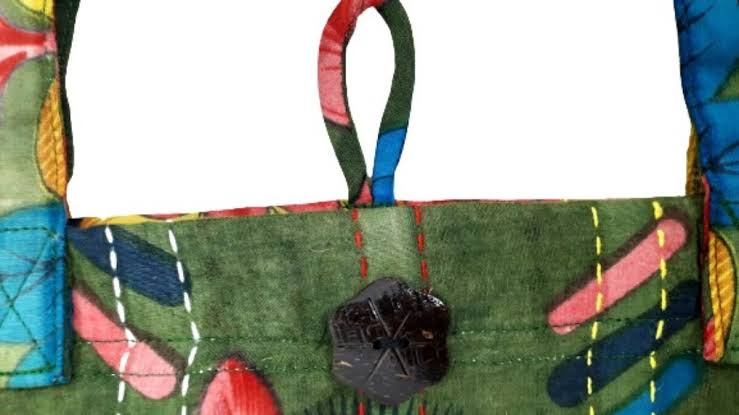
There is a specific disappointment that turns up now and again in promotional print, and it is entirely avoidable. A customer sees a stunning full-colour, edge-to-edge, photographic design on a polyester product, assumes the same effect can be had on a natural cotton tote, orders it, and receives something that looks washed-out and dull by comparison. The design was never going to work on that fabric. Understanding why saves you money, time and a frustrating conversation, so it is worth knowing how the main tote print methods actually behave.
Dye-sublimation is the process behind those vivid all-over prints. It works by turning solid dye into a gas that bonds permanently with polyester fibres at high temperature. The crucial word is polyester. Sublimation dye has nothing to chemically bond with on natural cotton, so on a cotton tote the result is muted and it washes out over time. This is not a limitation of any particular supplier; it is the physics of the material. If someone promises you a full-colour sublimated wrap on a natural cotton bag, that is a promise the fabric cannot keep.
So what does work on cotton? The workhorse is screen printing, and for good reason. Screen printing pushes ink through a mesh stencil directly onto the fabric, where it sits on the surface as a bold, opaque, durable mark. It is the standard method for tote bags and apparel, it handles solid spot colours superbly, and it pairs naturally with Pantone matching so your brand colours come out right. Its one quirk is that cost scales with the number of colours, because each colour needs its own screen. That is why a clean one or two-colour logo is both the cheapest and, usually, the most striking option on a cotton tote. If you want to see the print options laid out against each bag type, it is worth reading how GoPromotional prints tote bags before you settle on a design.
When you genuinely need full colour or photographic detail on cotton, the route is digital or transfer printing rather than sublimation. These methods can reproduce gradients, photographs and many-coloured artwork without a separate screen per colour, which is why they are the answer for complex designs. The finish and hand-feel differ from screen print, and the economics work differently too, but the key point is that full colour on cotton is achievable; it just does not come from the sublimation process people often assume.
Embroidery is the fourth option, and it occupies a distinct niche. Stitched thread on heavier cotton or canvas looks and feels premium, and it lasts extremely well, but it is slower and more costly and it suits compact marks such as a logo rather than a sprawling full design. On a thin promotional cotton bag it can pucker the fabric, so it belongs on the structured, retail-grade totes where its tactile quality genuinely adds perceived value. Matching the method to the weight of the bag matters as much as matching it to the design.
This is also where material choice and print method have to be decided together rather than in sequence. If a full-colour, all-over, photographic print is non-negotiable for your campaign, then the honest path is to choose a polyester-based bag such as an rPET tote, on which sublimation performs exactly as advertised, rather than forcing the effect onto cotton. If a natural fibre is essential for the eco message, then design to the strengths of screen print with bold, confident, limited-colour artwork. Neither approach is a compromise when you plan it from the start; it only feels like one when the fabric and the artwork were chosen without reference to each other.
A couple of practical decisions sit alongside the method choice. Single versus double-sided printing is one: printing both faces roughly doubles the visible branding and means the bag advertises whichever way it hangs on a shoulder, though it adds cost, so it is worth weighing against budget and how the bag will be carried. Pantone matching is the other. Because screen printing is a spot-colour process, it can hit a specific Pantone reference closely, which matters when brand-colour consistency is non-negotiable. Full-colour digital work is built from a four-colour process instead, which is superb for photographs and gradients but is matched to brand colours less precisely than a dedicated spot colour. Knowing which of those two priorities matters more for your logo points you to the right method.The broader lesson is that a supplier telling you what cannot be done is often more valuable than one telling you everything is possible. The reputable version of this business will steer you away from the washed-out cotton sublimation before you order it, not apologise for it afterwards. When you are briefing a tote, say what the artwork needs to achieve, ask which fabrics support that, and let the honest technical constraints shape the choice. You will end up with a bag that looks the way you imagined, because the design and the material were made for each other rather than fighting one another.