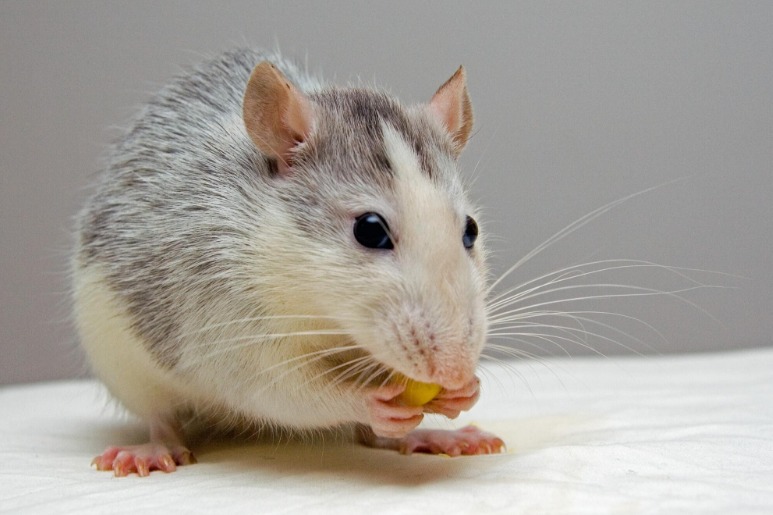
Luxury real estate relies on clean spaces, great architecture, and top maintenance. A hidden rodent issue disrupts that image quickly. Pests cause serious physical damage to expensive homes. High-end buyers expect perfection, so small signs of rodents can easily cancel big real estate deals.
Unnoticed pest issues grow into large financial problems within a few months. Estate owners need to know how pest activity harms property values and safety. Protecting a luxury home requires steady attention to structural risks.
Structural Threats to Luxury Architecture
High-end homes feature custom woodwork, complex power lines, and premium building materials. Rodents chew on these materials to trim their growing teeth. This habit causes hidden damage inside walls and attics. One major report on property design noted that repair bills for damaged attics, ruined insulation, and extermination services add up fast.
Pests chew through wood frames, drywall, and custom cabinets. Fixing custom home features requires skilled workers, which raises repair bills significantly. High-value materials suffer permanent structural losses when pests nest inside walls.
Electrical systems suffer major harm when pests chew through power lines. A leading real estate news outlet noted that chewed wires increase fire risks and often require full rewiring to meet safety standards. Hidden electrical repairs ruin custom wall finishes and reduce buyer interest.
How Infestations Target High-End Amenities
Luxury estates often feature specialized rooms like wine cellars, custom air ducts, and smart home hubs. When luxury owners hire expert exterminators like Connor’s Pest Pros to inspect vulnerable architectural spaces, they protect their high-value investment from silent destruction. Early inspections keep high-tech gear safe from animal damage. Smart home systems need intact wires to work right.
Harm to hidden sensors or control lines disrupts smart features. That outcome frustrates owners and prospective buyers alike. Keeping these high-tech systems working requires steady defense against unwanted pests.
Wine cellars and custom storage areas stay vulnerable to pest damage. Rodents chew through wall panels, custom racks, and power lines. That behavior risks expensive private wine collections. Protecting these custom spaces requires fast preventive action.
The Financial Toll on Appraisal Values
Home value depends on good conditions, clean finishes, and clear inspection logs. A bad pest problem drops market pricing and leads to tough negotiations from buyers. A recent real estate reporting agency found that houses with active rodent problems see a reduction of 20% from their asking price since restoration costs run high.
Appraisers look at visible surfaces and structural strength during home reviews. A pest service analysis revealed that untreated infestations damage home value, not just the physical structure. Luxury buyers want move-in ready homes, so any price drop reflects repair costs and perceived neglect.
Big value drops make selling or refinancing luxury property much harder. Sellers face price cuts or long market delays when pest issues appear. Protecting home equity takes active management against silent property risks.
- Gnawed cables create fire risks.
- Damaged insulation reduces thermal efficiency.
- Stained ceilings lower aesthetic appeal.
- Chewed pipes cause water leaks.
Inspection Obstacles During High-Stakes Closing
During luxury real estate deals, buyers hire skilled home inspectors to check every room. Finding rodent signs during a walkthrough can stop deal talks quickly. A prominent property management guide noted that home inspectors mention signs of rodents, like gnaw marks, in their official report.
Official inspection notes stay on the real estate record permanently. Showing structural harm forces sellers to offer large repair credits before closing.
That paperwork leads to deep checks and expensive property reviews before a deal moves forward. A recent legal industry report indicated that the property damage evaluation market will grow from $4.43 billion in 2024 to $4.77 billion in 2025, showing a 7.6% growth rate. High-value property deals fail when inspection reports show severe structural damage.
Health Hazards and Air Quality Degradation
Beyond physical damage, rodents bring health hazards into luxury spaces. Pest waste, dander, and nest material enter air channels and pollute home climate systems.
An urban management study citing federal health guidelines revealed that rodent infestation incidents in high-density municipal zones increase facility maintenance costs by more than 18.0%. Airborne pollution spreads across large floor plans, lowering indoor air quality for residents. High-end buyers focus on health, making clean air systems a top need for luxury homes.
Replacing dirty air ducts and high-end filters costs a lot of money. Ignoring indoor air quality leads to bad smells and health concerns for residents. Premium HVAC systems need clean spaces to work at top performance.
- Rodent droppings pollute indoor air.
- Pests carry dangerous airborne bacteria.
- Nesting materials block ventilation ducts.
- Foul odors destroy luxury comfort.
Preserving Reputation in Premium Real Estate Markets
High-end communities value privacy, clear standards, and clean properties. Visible pest activity or news of structural damage can ruin home reputation among agents and buyers.
A comprehensive pest industry breakdown showed that over 34,000 pest control businesses in the U.S. generated $17.4 billion as of January 2023, showing high demand for effective management. Wealthy buyers skip homes with known pest problems. Staying proactive with pest control protects estate reputation and preserves buyer trust.
Word travels fast in exclusive real estate circles when a home has hidden flaws. A bad reputation leaves a luxury property sitting on the market without serious offers. Premium real estate values depend on a clean reputation and top market appeal.
Proactive Prevention Tactics for Estate Owners
Protecting luxury home values takes consistent sealing work and regular expert checks. Sealing entry gaps near foundation walls, roof lines, and pipes stops pests before they enter.
Regular checks by qualified workers help catch early signs of pests before structural harm occurs. High-end property managers schedule routine checks to inspect attics, basements, and utility rooms. Spending money on preventive care costs much less than fixing major structural harm later.
Yard care plays a big role in protecting estate boundaries. Trimming tree branches away from rooflines and securing trash bins keeps rodents away from main buildings. Consistent upkeep helps luxury homes keep their market appeal over long periods.
Securing Your Luxury Estate Investment
Keeping top market value for a luxury estate takes constant focus against hidden structural risks. Protecting custom finishes, complex wiring, and clean air preserves long-term value for owners. Taking fast action to clear pest risks keeps high-value homes safe, clean, and appealing to buyers.