Price cuts arrive after the walkthrough is already in the can. The kitchen still sells. The terrace still sells. What changed is the spoken ask, and a buyer who pauses the file will hear whether that number still belongs to the listing agent. Before a brokerage books another drone day, Lip sync ai has to solve a narrower problem: keep the listed face, replace only the line that names the new price.
Flying the agent back is the expensive habit. The house is staged, the light is gone, and the next available day sits after a weekend of showings. A stranger voiceover on the same face looks cheaper until the brand board watches the first thirty seconds and hears a radio announcer quote a number the agent never said. The cheap mistake is to drop a new track on the old clip and hope no one notices the mouth. The useful habit is to clone or record the listed voice, cut the ask to the rooms that already work, and only then generate.
The House Is Already Shot When The Ask Changes
A luxury listing video is a closed object. Rooms were lit for a specific afternoon. Art was hung for the camera. The agent walked a path that matches the brochure. When the seller cuts the price, none of that inventory is wrong. The spoken claim is wrong. Reshooting the whole house to change one sentence treats a finished asset as a rehearsal.
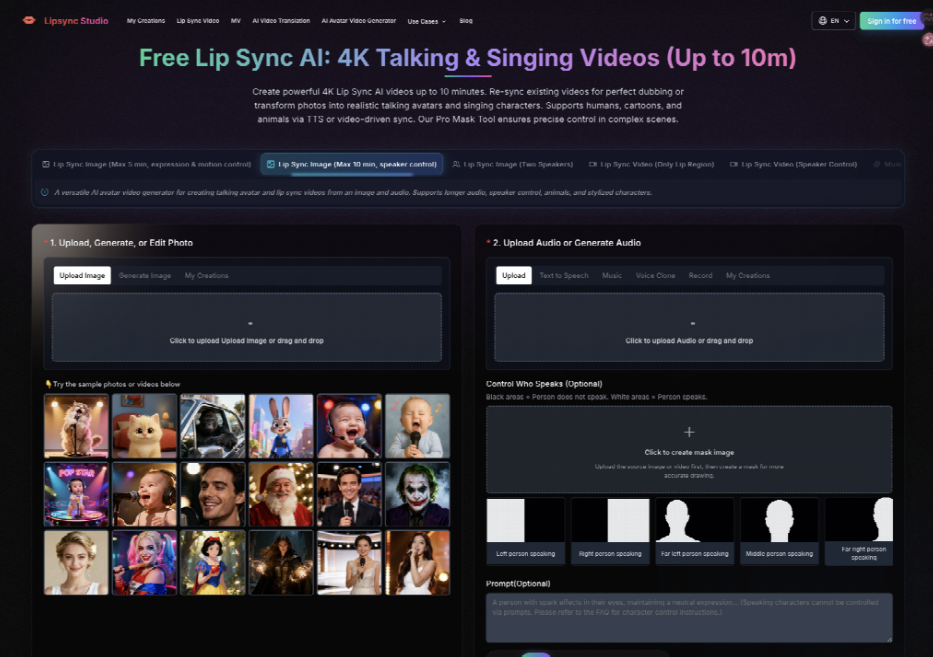
Lipsync Studio can take that existing walkthrough and a replacement line and move the mouth to the new audio. It cannot invent a listing agent the brand did not hire. If the face on screen is the person whose name sits on the gate card, the voice has to stay that person. If marketing would rather hire a narrator, they should take the face off the file. Mixing a listed face with an unlisted voice is how a price drop becomes a trust problem.
Keep song treatments in a different folder. A chorus that invents new rooms will fight the rooms you already paid to light. A listing walkthrough has one job: walk the house and name the ask.
A Stranger Voice On The Listed Face Breaks Trust
Buyers in this segment freeze frames. They already know the agent’s cadence from the first tour video. A new number in a different mouth reads as a different person selling the same house. Brand boards reject that file even when the rooms are perfect, because the face is a licensed identity and the voice is now a freelancer.
The old workaround is a text card over a mute walkthrough. That protects identity and kills the tour. The other workaround is to crop to hands and hardware so no mouth has to move. You protected the face by deleting the host. Neither file is a listing video. Both waste the shoot you already have.
The test is simple enough to say in a brand meeting. Play the first sentence that names the price. If a colleague who knows the agent cannot tell who is speaking, the file stays internal. Taste is not the metric. Attribution is.
Clone The Agent Then Replace Only The Spoken Line
The video path on the site asks for a source clip and replacement audio. Audio can arrive as a file upload, a recorded line, text-to-speech, or a Voice Clone of a voice you already have rights to use. For a listed face, Voice Clone or a short Record from the same agent is the honest path. A generic TTS host is a different product: a narrator listing, not an agent listing.
Do the rights check before anyone opens the generate panel. The brokerage must already own a clean sample of the agent’s voice and permission to reuse it for this address. If the agent is on a flight and has not approved the new number, wait. A tidy mouth on an unapproved ask is still a rejected file.
| Choice | What you keep | What you spend |
| Reshoot the house | A new walk and a new voice | Staging, light, and the next open day |
| Mute walkthrough plus price card | The rooms | The host, and most of the tour |
| Clone or record, then replace the line | The rooms and the listed face | A short approved voice sample and one generate |
Read the table as a brand filter, not a software brochure. If the seller only changed the number, the third row is the job. If the kitchen was remodeled after the shoot, no mouth tool fixes the cabinets. Recapture that room.
Record Or Clone Against The Rooms You Already Have
Record the new ask against the picture, not against a spreadsheet. If the agent says the new number while the camera is still in the foyer, buyers will hear the mismatch even when the lips are tidy. A one-take line that lands in the great room will beat a polished studio read that ignores the cut.
If you clone, use a sample that already sounds like listing speech: calm, close, no music bed. A podcast laugh track will move the mouth through jokes the walkthrough never made. Keep the clone file next to the address folder so the next price change does not start from a different voice.
Keep The New Ask As Long As The Walkthrough
Match the spoken line to the shot length before you upload. A twelve-second kitchen hold cannot carry a forty-second market speech. Cut the audio to the rooms, or cut the rooms to the audio. Long dead air in the middle of a price sentence is worse than a shorter claim. The model will still try to move the mouth through the pause.
This is also the right place to park an AI music video generator impulse. A full song treatment with new locations belongs to a brand film, not to a price revision. Using that path here usually adds rooms the photographer never lit and then asks the listing coordinator to defend them.
Run The Video Lip Sync Sequence Once
Once the plate and the voice are honest, the page sequence is short. Do not add a registration ritual the site does not show. Upload the walkthrough, add the approved audio, pick a resolution, and generate. Tasks keep running if you close the tab. Do not submit the same job twice because the preview is slow.
- Upload the existing listing video.
- Add the cloned or recorded replacement line.
- Choose a resolution and generate.
- Review the file in My Creations before anyone posts it to the listing.
If a second face sits in a reflection on a wine fridge, that is a plate problem, not a reason to invent extra software steps. Crop or recut the source. The generate button will not decide who the buyer will blame.
Review The Ask Against Rooms That Already Sold
On the listing desk, the first preview is the brand-board cut. Play the new line over the rooms that already did the selling: the kitchen island, the primary bath, the terrace at dusk. If the mouth is tidy and the number is wrong for the room you are looking at, the file is still a fail. Buyers watch rooms and listen for the ask in the same second.
Do this at the size a phone buyer will use. A soft preview that already shows a stranger cadence is enough to stop the job. If that first preview looked fine until a colleague names a different speaker, stop. Waiting for a 4K export to “see it properly” only delays the same discard. Higher resolution makes the same voice error sharper.
Reject A Mouth That No Longer Sounds Like The Agent
The hard reject is simple. If a colleague who has toured with the agent cannot name the speaker, the file is discarded. It would never clear a brand board sitting next to the gate card. Do not “fix it with a lower third.” A name plate will not stop a buyer from hearing the wrong person.
The soft reject is a mouth that follows the new number while the head still performs the old, higher ask. That file can go back for a tighter record. It should not go on the listing site. Keep the two rejects in different folders so the next vendor call does not mix them.
Ship When The Voice Still Belongs To The Listing
Lipsync Studio fits a listing desk that already owns the walkthrough and only needs a new spoken ask from the same licensed agent. A remodeled room, an unapproved number, or a narrator the brand did not hire needs a different source before another generate.
The ship rule is narrower than taste. A stranger cadence is discarded. If the listed agent is the only speaking identity and the new number lands in the room that carries the ask, the clip can go out.
Keep the approved voice sample beside the Lipsync Studio export. The next reduction will ask for a new number and the same face. Repeating a known voice is faster than discovering, on a Sunday showing link, that the house is being sold by someone the gate card does not name.