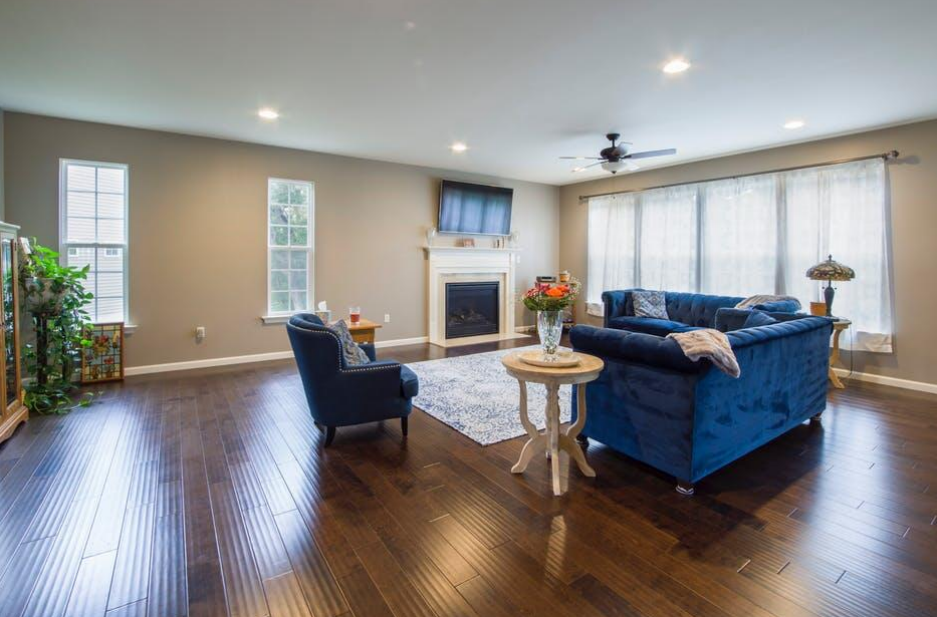
Flooring has a major effect on how a room looks and feels. It covers a large part of the home, so the wrong choice can make even a beautiful space feel unbalanced. The right floor can bring furniture, wall colors, lighting, and decor together.
Style is important, but it should not be the only concern. Flooring also needs to match the way each room is used. A busy kitchen has different needs from a quiet bedroom. Homes with children or pets may also need materials that are easy to clean and hard to damage.
Continue reading to discover everything you need to know!
Start With Your Interior Style
Before looking at flooring samples, think about the overall style of your home. Flooring should support the look you want rather than compete with it.
Modern spaces often work well with simple colors, clean lines, and wide flooring planks. Traditional interiors may suit warm wood tones, detailed patterns, or classic tile.
Farmhouse designs often use natural textures and softer colors. A more modern home may use polished concrete, large tiles, or light wood.
Look at your furniture, wall color, cabinets, and other large features. The floor does not need to match them exactly. In fact, a little contrast can make a room more interesting.
Set a Realistic Ground Surfaces Budget
Flooring costs include more than the price of the material. Homeowners should also plan for removal of old flooring, preparation of the subfloor, installation, trim, and possible repairs.
Some materials may appear inexpensive until labor costs are added. Others may cost more at first but last longer.
When comparing options such as flooring OKC, homeowners can look at different materials, styles, and price levels before making a final choice.
Measure each room carefully, but plan for some extra material. Installers often need additional flooring for cuts, damaged pieces, or future repairs.
Do not choose the cheapest material only to save money. A low-cost floor that needs replacement after a short time may become more expensive in the long run.
Match the Material to the Room
Different rooms place different demands on flooring. A material that works well in one area may not be suitable for another.
Kitchens need flooring that can handle spills, dropped items, and frequent cleaning. Tile, vinyl, and some types of engineered flooring may work well in these spaces.
Bathrooms need materials that can handle moisture. Water-resistant or waterproof options are usually better than materials that may swell or warp.
Bedrooms often focus more on comfort. Carpet can add warmth and softness, while wood or laminate can create a cleaner look. Entryways need strong flooring because they receive dirt, water, and heavy foot traffic.
Think About Color and Room Size
Floor color can change how large or small a room feels. Light floors often make a space look brighter and more open. They can work well in small rooms or homes with limited natural light.
Dark flooring can add warmth and drama. However, very dark floors may make a small room feel more closed in.
Medium shades can provide a useful balance. They often hide dust and small marks better than very light or very dark surfaces.
Also consider the color of walls and furniture. A room with dark cabinets may feel more balanced with a lighter floor.
Samples are helpful because colors can look different under home lighting. Place flooring samples in the room and check them during the morning, afternoon, and evening before making a final choice.
Compare Durability and Daily Maintenance
Beautiful flooring will not feel like a good choice if it is difficult to maintain. Think about how much traffic each area receives and how much care you are willing to provide. Homes with pets may need scratch-resistant flooring.
Families with children may prefer surfaces that are easy to wipe clean. Some hardwood floors can last for many years and may be refinished when scratched. However, they can require more care around water.
Luxury vinyl and laminate may offer easier maintenance. Tile can also be strong, though grout may need extra cleaning. Carpet feels soft but may hold dirt, pet hair, or stains more easily than hard flooring.
Create Flow Between Connected Rooms
Many homes have open layouts where several rooms can be seen at the same time. In these spaces, flooring can help create a smooth visual flow.
Using the same floor through the kitchen, dining area, and living room can make the space feel larger. It also avoids too many changes in color or texture.
Sometimes different materials are needed. For example, you may want tile in a bathroom and wood in a nearby hallway.
When floors change, choose materials with similar tones or styles. A warm wood floor may work well beside a warm beige tile.
Balance Comfort and Practical Needs
Flooring affects more than appearance. It can also change how comfortable a room feels underfoot and how much sound travels through the home. Carpet is soft and can reduce noise, which makes it useful for bedrooms, playrooms, and upstairs areas.
Hard flooring is often easier to clean but may feel colder. Rugs can add warmth and softness without covering the entire floor. People who spend long periods standing in the kitchen may prefer a surface with some comfort or may add cushioned mats in work areas.
Test Samples Before Making a Final Choice
Small flooring samples can prevent a costly mistake. A material may look very different in a showroom than it does inside your home. Bring several samples into the room and place them beside walls, cabinets, furniture, and rugs.
Check each sample under both natural and artificial light. Morning sunlight can make a color look different from evening light. You should also consider texture.
Walk on a larger sample if possible and notice whether it feels smooth, rough, soft, or slippery. If you are choosing wood-look flooring, compare the pattern and grain. Too much variation may feel busy in a small room, while a very simple pattern may look flat in a large space.
Choose Flooring That Works With Your Home
Good flooring brings together style, comfort, and daily function. The best choice should match your interior design while also handling the needs of each room.
Start with your home’s main style, then compare materials based on moisture, traffic, cleaning, comfort, and cost. Think about how flooring will connect nearby rooms and how each color will look under different lighting.
Do not rush the final decision. Bring samples home, compare several options, and consider how your needs may change over time.