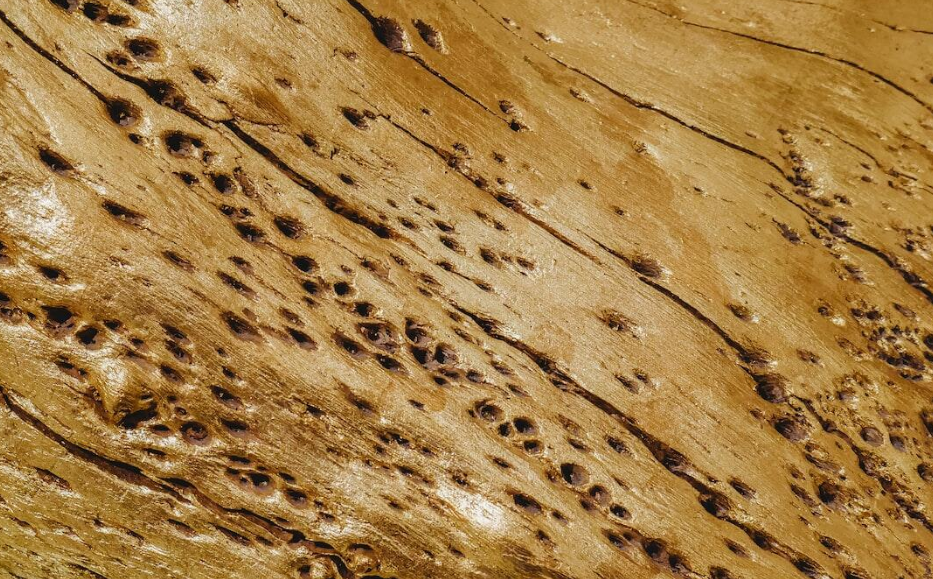
Luxury homes often have wood, timber, and landscaping that need protection. Termites can cause thousands of dollars in hidden damage before you even notice. Taking steps to prevent infestations keeps your property safe. Spending on maintenance now helps stop damage from spreading into your living spaces.
Recognizing Early Structural Threats
Property managers need to keep an eye on baseboards, door frames, and floors for any signs of trouble. Identifying key termite warning signs to watch. This lets homeowners step in before small problems turn into major structural damage.
Custom cabinets and wood details need regular checks to catch problems early. Acting fast helps protect your woodwork and home value.
Blisters on the surface or doors that stick can mean wood is swelling from pests underneath. Tap wood beams with a screwdriver handle and listen for a hollow sound. If it sounds empty, call a pro right away.
Don’t forget to check hidden spots where termites can go unnoticed for a long time. Look in crawl spaces, basements, attics, and around plumbing for mud tubes, discarded wings, or wood that looks damaged.
Pay extra attention to damp areas; termites are drawn to moisture. Keeping notes during inspections helps you spot patterns over time. If you find anything suspicious, have a pro evaluate it early to stop the damage from spreading.
Identifying Active Pest Indicators
Termites build thin mud tunnels along your foundation to move around safely. Those tunnels keep them moist and connect the soil to your wood framing.
If you spot winged termites inside, that’s a sign they’ve already set up shop. Mississippi State research says wings piled up near windows mean an active colony.
Common signs of active subterranean and drywood activity include:
- Pencil-wide mud tunnels
- Piles of discarded translucent wings
- Small mounds of hexagonal pellets
Implementing Advanced Environmental Controls
When drywood termites are identified, professional drywood termite treatment can help address the infestation and protect vulnerable wood structures.
Removing water around your foundation helps prevent termites. Fix leaky spouts, point downspouts at least 5 feet away from walls, and clear standing water. High moisture in crawl spaces also attracts wood-destroying pests.
Wood that touches soil gives termites an easy path into your home. Store firewood and mulch away from your house. Keep deck posts raised above soil level.
Keep an eye on moisture around your home; it’s one of the first things that attracts termites. Check crawl spaces, basements, and plumbing areas for dampness. Ventilation helps keep those spaces dry and less inviting to pests. While you’re at it, look for soft wood, mud tubes, or wings. Control moisture and inspect regularly to stay ahead of damage.
Establishing Professional Monitoring Protocols
A strong defense against termites combines preventive treatments and regular professional inspections. Technicians check high-risk areas like crawl spaces, attics, and exterior walls. These checks catch hidden activity behind drywall and insulation.
Bait stations around the property provide ongoing monitoring for large estates. Professional treatments use specialized products to create protection zones around foundations.
Protecting high-value homes from termites takes constant attention and good habits. Early detection and professional systems keep your home structurally sound for years. Proactive care protects your investment from costly, hidden damage.