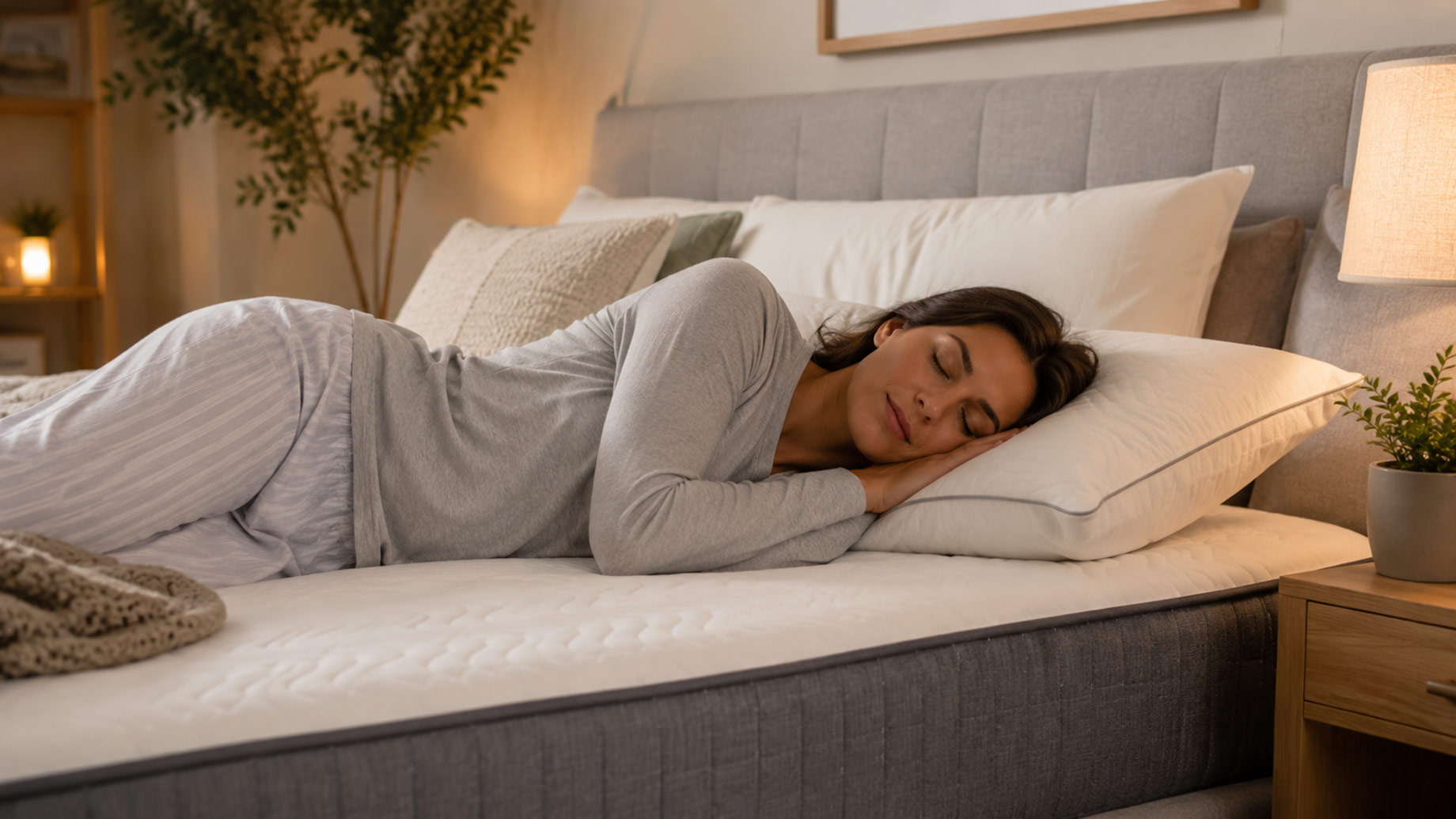
Side sleeping can put extra pressure on the parts of the body that meet the mattress most directly, especially the shoulders and hips. That is why shoppers comparing latex mattress Santa Cruz options may want to look beyond simple firmness labels and think about how a mattress responds through the night. A surface that is too firm can feel unforgiving around pressure points, while one that allows too much sinking may feel less supportive. The goal is a balanced feel, enough cushioning to soften contact areas and enough stability to keep the sleeper comfortable. For side sleepers, small differences in construction can make a noticeable difference by morning.
Why Side Sleeping Creates More Pressure
When someone sleeps on their side, body weight is concentrated over a smaller area than it is when lying on the back. The shoulder and hip carry much of that load, which is why these areas often become the first places where an unsuitable mattress feels uncomfortable.
A mattress that gives slightly under those points can help the body settle naturally. At the same time, the middle of the body still needs enough support so the sleeper does not feel as though the waist and hips are dropping too deeply. That balance is what makes side-sleeper comfort personal.
Firmness Should Match the Sleeper, Not a Label
Mattress firmness is useful as a starting point, but it is not a complete answer. Two mattresses described as medium can feel different because of their materials, layer thickness, and construction.
Body weight also changes how firmness is experienced. A lighter sleeper may barely compress a firmer surface, while someone heavier may sink into that same mattress more easily. Side sleepers often benefit from testing more than one firmness level rather than assuming that a particular label will provide the right cushioning.
Pressure Relief Deserves Extra Attention
Pressure relief is important for side sleepers because the shoulder and hip need room to settle into the surface. When the mattress does not adapt enough, those areas can feel compressed. When it adapts too much, the sleeper may feel trapped or unsupported.
Good pressure relief should feel gradual. The mattress should cushion prominent areas without making the entire body disappear into the surface. A few minutes lying on the side can reveal more than pressing down with a hand or sitting on the edge.
Materials Change How the Bed Feels
Different mattress materials create different sensations. Memory foam tends to contour closely, while latex often has a more responsive feel and springs back faster when the sleeper changes position. Hybrid designs can combine cushioning layers with coils for a mixture of pressure relief and support.
None of these options is automatically best for every side sleeper. Some people enjoy a deeper, cradling sensation, while others prefer a surface that feels easier to move across. Paying attention to responsiveness, cushioning, and stability is often more useful than choosing based on material alone.
Shoulder Comfort Can Be a Good Test
The shoulder is often the easiest place to notice whether a mattress is working for side sleeping. If the surface feels too firm, the shoulder may feel as though it is being pushed upward rather than allowed to settle comfortably.
A well-matched mattress should give the shoulder enough room without letting the torso collapse into the bed. When testing a mattress, stay in the usual side-sleeping position long enough to notice whether pressure begins to build. Comfort over several minutes tells a more useful story than the first few seconds.
Hip Support Matters Just as Much
The hip is another major pressure point, and it also plays a big role in how supported the body feels. Too little cushioning can create an uncomfortable hard spot, while too much sink may make changing position more difficult.
A good mattress should allow the hip to settle while still feeling stable beneath the pelvis and waist. For couples, this balance becomes more important because two people may place different loads on the same surface. Trying the mattress together can help reveal how it responds.
The Pillow Is Part of the Equation
Side sleepers often focus on the mattress and forget that pillow height can change the whole setup. Because the shoulder lifts the upper body away from the mattress, the head usually needs enough support to fill the space between the neck and the bed.
A pillow that is too low or too high can make an otherwise comfortable mattress feel wrong. The best combination allows the head and neck to rest in a natural position. Looking at mattress and pillow comfort together can prevent the common mistake of blaming one when the real issue is the other.
Movement and Temperature Still Matter
Pressure relief is important, but it is not the only part of a comfortable night. Side sleepers who change sides often may prefer a mattress that responds quickly and does not make movement feel difficult. Temperature can matter too, especially for people who sleep warm.
Breathable covers, airflow through the mattress, and materials that do not hold excessive heat can influence comfort. These features may not be obvious during a brief showroom visit, so asking how the mattress is built can provide useful context.
Try the Mattress the Way You Actually Sleep
The most useful mattress test is a realistic one. Lie on the side you normally use, bend the knees if that is your usual position, and stay there for several minutes. Notice the shoulder, hip, waist, and lower back rather than focusing only on whether the surface feels soft.
It also helps to roll to the other side and sit up as you would at home. A mattress should feel comfortable during movement as well as rest. Trial periods and exchange policies are worth understanding too, because a short test cannot reproduce several full nights of sleep.
Choosing a mattress as a side sleeper is ultimately about finding the right balance between cushioning and support. The shoulder and hip need enough give to avoid feeling compressed, while the rest of the body should still feel stable and comfortably held. Firmness labels, materials, body type, pillow height, movement, and temperature all play a part, so the best choice is rarely based on one feature alone. Taking time to test several options can make the decision easier. When the mattress responds naturally to the way the body rests, side sleeping can feel less like a compromise and more like the comfortable position it is meant to be.
