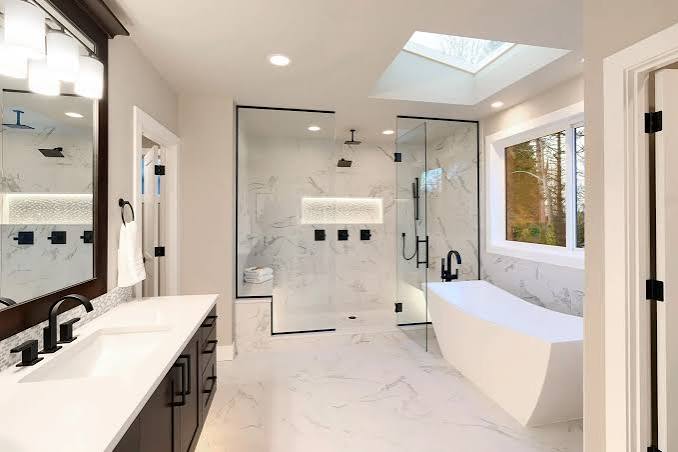
A high-end bath should look calm, rich, and clean. But it must work hard too. Steam, splashes, water, and heat can test each floor. In the past, stone was the clear sign of wealth. Marble, slate, and tile still have a strong place. Yet many home firms now want more from each room. They want style with less risk and less care.
That shift has changed how top baths are planned. The goal is not just a fine look. The floor must stay sound through years of use. It should also feel warm, quiet, and safe underfoot. This is why new waterproof floor types have gained more use. They can give a rich look without some of stone’s weak spots. For you, the key point is simple. High-end style should make life easier.
Why Stone Can Struggle in High-Moisture Bathrooms
Stone can look grand. It can also need more care than you may expect. Marble may mark, stain, or etch from some soaps. Some stone can take in water if it lacks the right seal. Grout can also trap dirt and show wear with time.
Bathrooms can add more stress. Heat, damp air, splashes, and moisture are part of daily use. Large bath suites may have tubs, showers, sinks, and other areas where water is common. That gives moisture more chances to reach the floor.
Stone is not a bad choice. But it needs the right base, seal, grout, and care plan. Some homes can meet that need with no fuss. Yet many owners want a floor that asks for less work. That wish has led to new floor plans. The look can still feel rich.
How LVP Became a High-End Choice
Luxury vinyl plank flooring once had a low-cost tag. That view has changed fast. New LVP can have deep grain, soft sheen, and fine edge work. It can copy oak, ash, slate, and pale stone with a close look.
The build is what makes it stand out. Most LVP has more than one layer. A hard top coat helps guard the print. A clear wear layer helps with scuffs. The print layer gives the wood or stone look. A firm core adds shape and strength.
Some luxury vinyl flooring also comes with a soft pad. That can cut foot sound and make the floor feel less hard. You want the room to feel calm, not loud.
Warmth is a key gain too. Stone can feel cold at first touch. LVP often feels less cold on bare feet. Some types can work with warm floor heat as well. You must check the heat limit set by the brand.
And the look has come a long way. New print tech can show small knots, veins, and shade shifts. Good plank cuts can make repeat marks hard to spot. This helps the floor feel more true to wood or stone. So LVP is not just a way to save cash. In the right build, it can be a smart high-end choice.
One Floor for Bath and Dry Zones
Top homes now use more open bath plans. A sleep zone may flow into a dress zone. Then the same sight line may lead to a bath or spa space. A floor change can break that calm flow. One floor can keep the whole suite tied as one.
This is where waterproof flooring can help. A wood-look plank can start near the bed. It can then run past the robe space and into the bathroom. The room feels wide, clean, and linked. You get less visual stop and start.
But the base work still matters. A waterproof top does not fix a weak base. Gaps, bad cuts, or poor edge seals can still cause harm. The floor must suit the site, moisture levels, and heat plan. If you want this look, review the right luxury vinyl flooring options first. The right fit helps guard the base and keep the clean flow.
Plan for trim, wall gaps, and door lines too. A good fit team will map those points first.
Low-Care Floors Can Add Home Value
A high-end buyer may love fine stone. But many also want less work after move-in. They want a home that feels ready on day one. Low-care floors can help with that goal. A floor that is easy to wipe can save time. A floor designed to handle everyday bathroom moisture can provide added peace of mind near tubs and showers. That can make the bath feel more calm in daily life.
This does not mean LVP will raise each home price by a set sum. Home value rests on many parts. Site, size, build grade, age, and demand all play a role. But fit and finish still shape how a home feels. Buyers see poor joins. They see worn grout. They spot stains and patch work. A clean floor with a high-end look can help the suite show well.
For a new build, this can also aid the handoff. The next owner gets the look with less care than some stone may need. That can fit a lock-and-leave home or a second home. And in a large bath, ease has its own form of luxe.
What to Check Before You Pick
Not all LVP is the same. So you should check the full spec before you buy. Look at the wear layer. Check the core type. Ask if the floor is made for bathrooms and areas where moisture is common. Read the heat rules if you plan warm floor heat. Check slip data where water and bare feet are common.
You should also look at plank size and edge shape. Wide planks can give a calm, rich look. A low gloss can feel more like real wood or honed stone. And ask to see a large floor set, not one small chip. A tiny sample can hide repeat print marks. It can also hide how seams will look in a broad room.
Match the floor with wall tile, stone tops, wood tone, and metal trim. This keeps the room from feeling pieced in bits.
The Best High-End Bath Blends Style and Strength
The best bath does not make you pick style or strength. You can have both. Stone will still suit many high-end rooms. It has weight, age, and real depth. But it is not the sole path to a rich bath.
Luxury vinyl plank flooring gives you a new route. It can bring a warm feel, soft sound, and reliable performance in moisture-prone bathroom areas. It can also help link a sleep zone with a bath zone. The real aim is ease. You want a room that looks great each day. You also want a floor that fits how you live.
That is where new waterproof flooring earns its place. It hides the hard work under a calm, fine look. And that may be the best sign of true luxe.