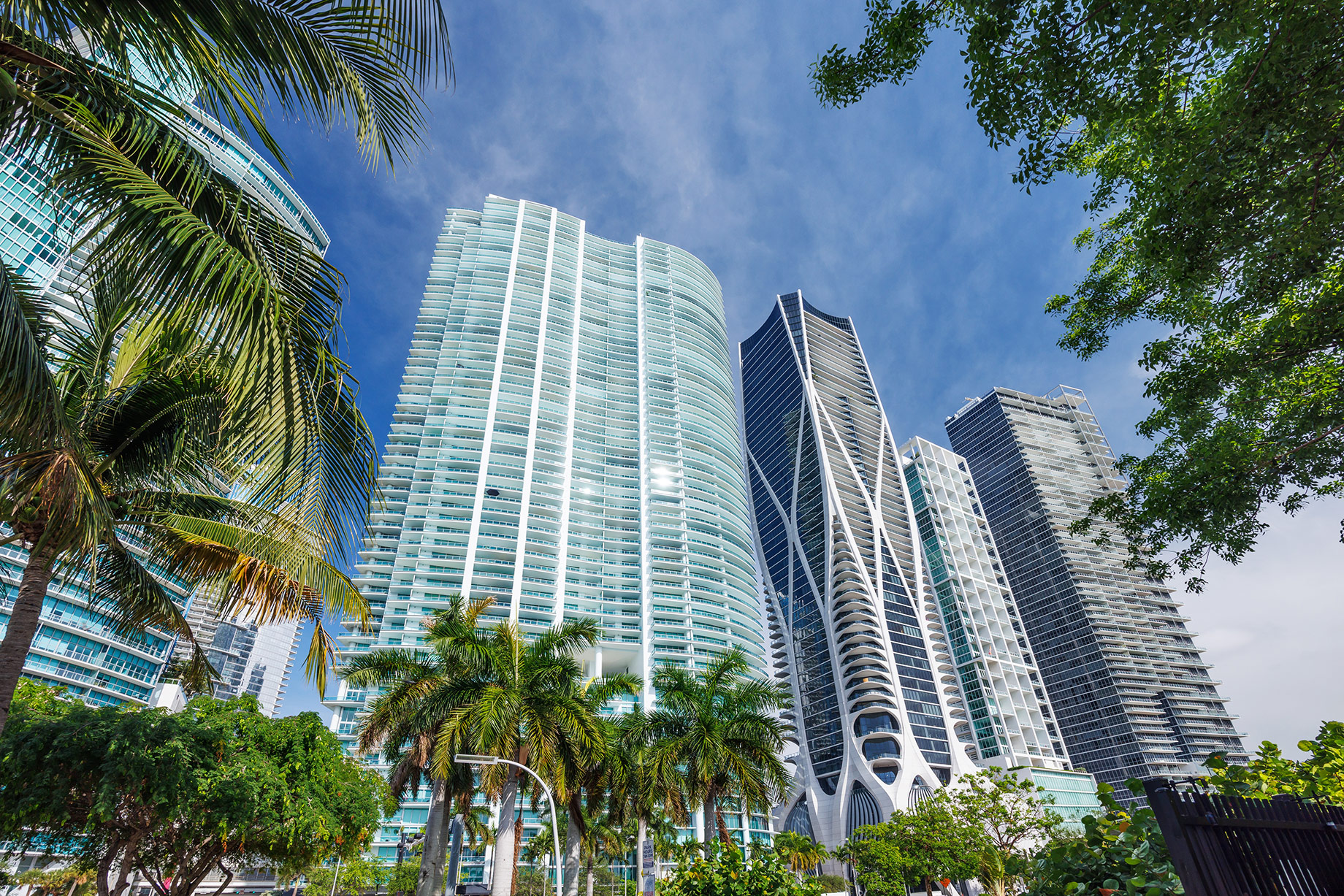
Miami is in the middle of a delivery cycle it has not seen in years. Industry trackers count dozens of active pre-construction towers across Brickell, Edgewater, Downtown, Wynwood, and North Bay Village, with well over ten thousand new residences scheduled to hand over keys before the end of the decade. Several buildings that broke ground years ago are now issuing closings and welcoming their first residents.
That means a lot of Miamians are about to move into brand new high-rises. And a lot of them are about to learn, the hard way, that moving into a new tower has almost nothing in common with moving into a house.
The building runs move-in day, not you
In a single-family home, moving day is yours. You back the truck up, you carry things in, you finish when you finish. In a condo tower, the property manager runs the day, and the rules are usually stricter than new owners expect.
Most buildings require a reserved freight elevator window, and those windows book up fast in a building where dozens of units are closing in the same quarter. Miss your slot and you may wait days for another. Many towers only allow move-ins during set hours, restrict weekends, or require that everything move through a specific loading dock rather than the front entrance.
Before you schedule anything, get the building’s move-in policy in writing from the property manager. Ask three questions specifically: what elevator reservation is required, what hours moves are allowed, and what documentation the building needs from your moving company.
The certificate of insurance trips people up
That last question is the one that derails move-in day most often. Nearly every new Miami tower requires the moving company to provide a certificate of insurance, often naming the building or its management company as additionally insured, before the truck is allowed on the property.
This is not a formality you can sort out that morning. Insurance certificates take time to issue, and a mover that cannot produce one is a mover the building will turn away at the gate. When you book, ask your moving company directly whether they can provide a certificate of insurance to your building’s exact specifications, and start that paperwork at least a week ahead.
New construction has its own quirks
Fresh buildings come with conditions an older property does not.
- Protective coverings. Many towers require padding on elevator walls and floor protection in common areas, and some hold a deposit against damage to brand new finishes.
- Tight staging. New towers often have limited loading areas shared by move-ins, deliveries, and ongoing contractor work, so timing has to be coordinated with the building.
- Unfinished common areas. Amenity floors and some corridors may still be under construction, which changes the path your movers actually use to reach your unit.
A crew that regularly works Miami high-rises will know to ask about these things. A cheap operator working out of a rental truck usually will not, and the building will make the difference your problem.
Vet the mover before the tower does
Because towers screen moving companies at the door, the smart move is to screen yours first. Confirm the company is a licensed carrier by checking its USDOT number on the federal SAFER database, and confirm it is not a broker that will hand your job to an unknown third party. Ask whether it has moved residents into your specific building or comparable towers, since familiarity with a property’s loading dock and elevator system saves real time.
Local carriers that work these buildings regularly, including Pro Movers Miami, can usually speak to a tower’s requirements before you even call the property manager. That kind of familiarity is worth more on move-in day than a slightly lower hourly rate.
Plan the paperwork, and the day takes care of itself
The move itself into a new Miami condo is rarely the hard part. The hard part is the sequence of approvals, reservations, and documents that has to be in place before the truck arrives. Handle those in the week before, and move-in day becomes what it should be: a short, quiet afternoon in your new home rather than an argument in the lobby.
