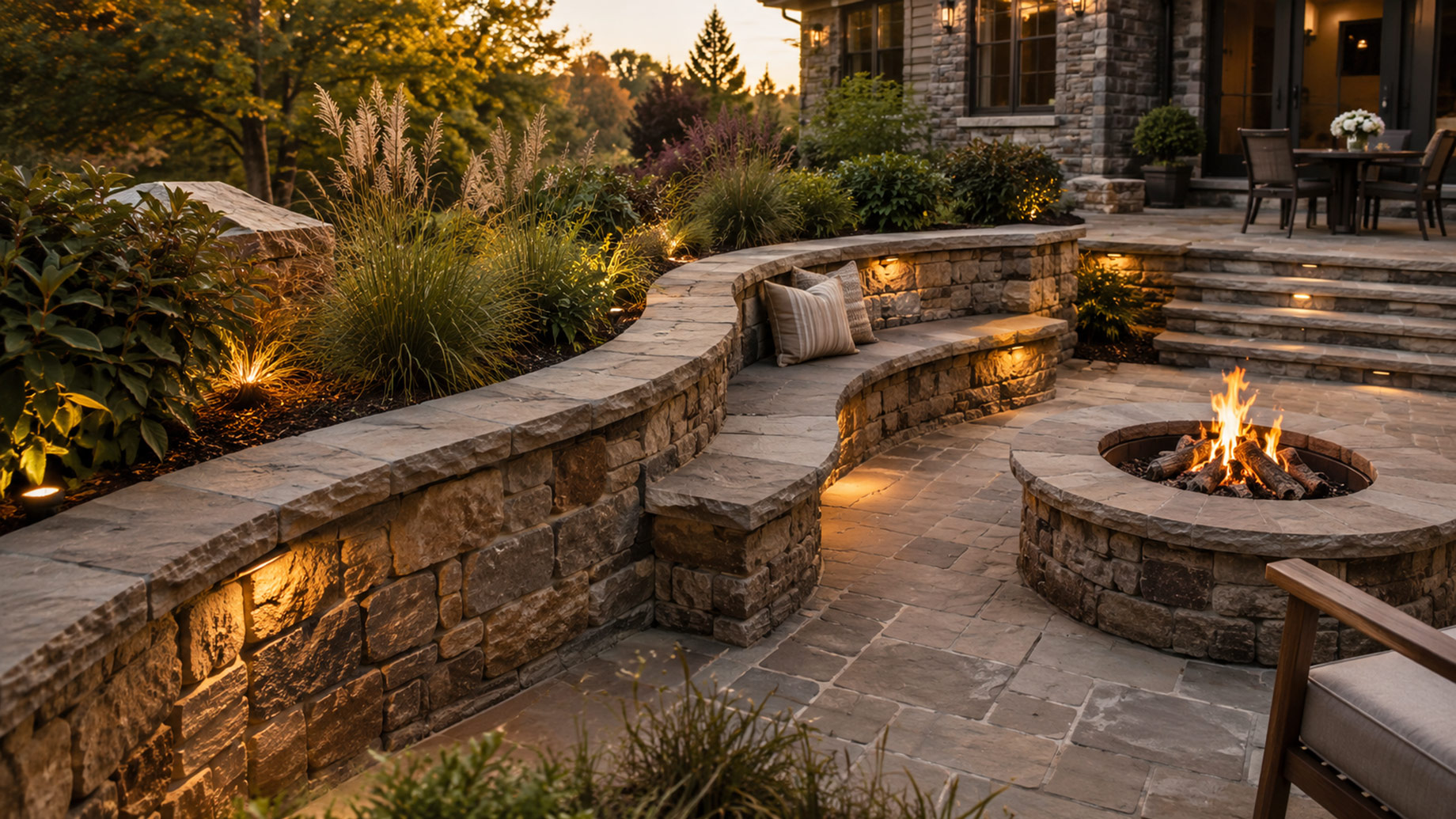
A thoughtfully built stone wall can change the way an outdoor area feels almost immediately. Instead of acting only as a practical barrier, it can help shape patios, gathering spaces, planting areas, and pathways into a more connected landscape. Homeowners considering retaining walls geelong often discover that successful designs balance dependable construction with a warm, natural appearance. Stone brings texture, depth, and permanence that works beautifully beside timber decks, greenery, paving, and outdoor furniture.
When the layout is planned with everyday use in mind, the wall becomes more than a background feature. It starts contributing to the comfort, movement, and character of the space.
Turning Structure Into a Design Feature
Many outdoor walls begin with a practical purpose, such as supporting soil, managing changes in ground level, or defining the edge of a patio. That purpose does not need to limit the design. The right stone, height, and placement can transform a necessary structure into a strong visual feature in the yard.
A slightly curved wall can soften rigid landscaping, while a straighter profile may suit contemporary homes and structured gardens. Natural variations in stone create visual interest without making the area feel overly decorated. Good design allows the wall to perform its job while still looking as though it belongs naturally within the property.
Creating Comfortable Seating Around the Garden
One of the easiest ways to make stonework more useful is to incorporate seating into the design. Low walls around patios, garden beds, or fire pit areas can provide extra places for guests to sit without requiring more outdoor furniture.
This can be especially useful when entertaining larger groups. A wide stone cap creates a practical seating surface, while the solid construction adds a sense of stability. Cushions can be added for longer gatherings, or the stone can remain uncovered for a simple, low-maintenance option. The result feels relaxed and welcoming, particularly when planting and lighting are arranged nearby.
Framing Patios and Entertaining Areas
Outdoor living spaces often feel more complete when they have a clear sense of definition. A stone wall can create that feeling without fully closing the area off. Around a patio, it can establish a gentle boundary between paved surfaces and gardens while still allowing views across the property.
This approach works well for spaces used for dining, cooking, or entertaining. Rather than leaving the patio looking like an isolated section of paving, the wall visually connects it with the surrounding landscape. Stone also pairs comfortably with concrete, brick, timber, gravel, and natural paving, making it easier to create a coordinated finish.
Adding Character Around Fire Pit Spaces
A fire pit naturally becomes a gathering point, and stonework can make the area feel even more inviting. Curved walls can follow the shape of the fire pit, creating a sense of enclosure while leaving enough openness for easy movement and conversation.
The visual connection between stone and fire feels particularly natural outdoors. Textured surfaces catch changing light beautifully in the evening, while the weight and permanence of the material give the space a grounded appearance. Careful spacing is important, and the design should allow for safe circulation and suitable distances between the fire feature, seating, and nearby landscaping.
Working With Changes in Ground Level
Sloped yards can be challenging, but they often provide excellent opportunities for interesting stonework. Instead of viewing different elevations as a problem, walls can be used to create terraces, stepped garden beds, and separate outdoor zones.
A higher section might hold a dining terrace, while a lower level becomes a lawn, garden, or seating area. The changes in elevation give the property a layered look that can feel more dynamic than one continuous surface. Proper drainage and structural preparation remain essential where soil pressure is involved, but thoughtful planning can turn awkward terrain into a landscape advantage.
Blending Stone With Planting
Stone can look strong and substantial on its own, yet it becomes softer and more welcoming when combined with plants. Trailing greenery, flowering borders, ornamental grasses, and small shrubs can break up large areas of masonry and help the wall settle naturally into the garden.
Plant selection should consider sunlight, drainage, root growth, and the amount of maintenance required. Small pockets between stones can sometimes support low-growing plants, while larger beds above or beside the wall provide room for varied planting. As the landscape matures, the combination of natural stone and greenery often becomes more attractive year after year.
Using Lighting to Extend Evening Enjoyment
Outdoor spaces should remain enjoyable after sunset, and carefully positioned lighting can change the appearance of stonework at night. Small recessed lights, low garden fixtures, or subtle illumination along pathways can highlight texture while improving visibility.
Lighting does not need to be bright to be effective. A softer approach can reveal the surface of the stone, guide movement around steps, and create a comfortable atmosphere around seating or dining areas. When fixtures are planned during the wall design rather than added later, wiring and placement can often be handled more neatly. This helps the entire outdoor area feel intentionally designed.
Choosing Materials That Suit the Property
Not every type of stone will suit every home. Rustic properties may look best with irregular natural stone, while modern architecture often benefits from cleaner lines and consistent shapes. Color matters too. Warm earthy tones can complement timber and traditional brick, while cooler greys may work well with concrete, steel, and contemporary finishes.
Durability should always be considered alongside appearance. Outdoor stonework is exposed to moisture, temperature changes, soil movement, and regular use. Selecting appropriate materials and using correct construction methods helps the finished wall retain both its strength and appeal over time.
Bringing the Whole Outdoor Space Together
The best stone walls feel connected to everything around them. Their height relates to nearby furniture, their shape follows the movement of paths or patios, and their materials complement the home instead of competing with it. Small decisions make a noticeable difference, from the width of a seating ledge to the way a corner meets a garden bed.
Careful planning also helps avoid a common mistake, treating the wall as a separate project instead of part of the overall landscape. When function, comfort, planting, lighting, and visual balance are considered together, the finished space becomes much easier to enjoy. A well-designed stone wall can support the landscape physically while also giving family and guests more reasons to spend time outside, gather comfortably, and appreciate the surroundings.
