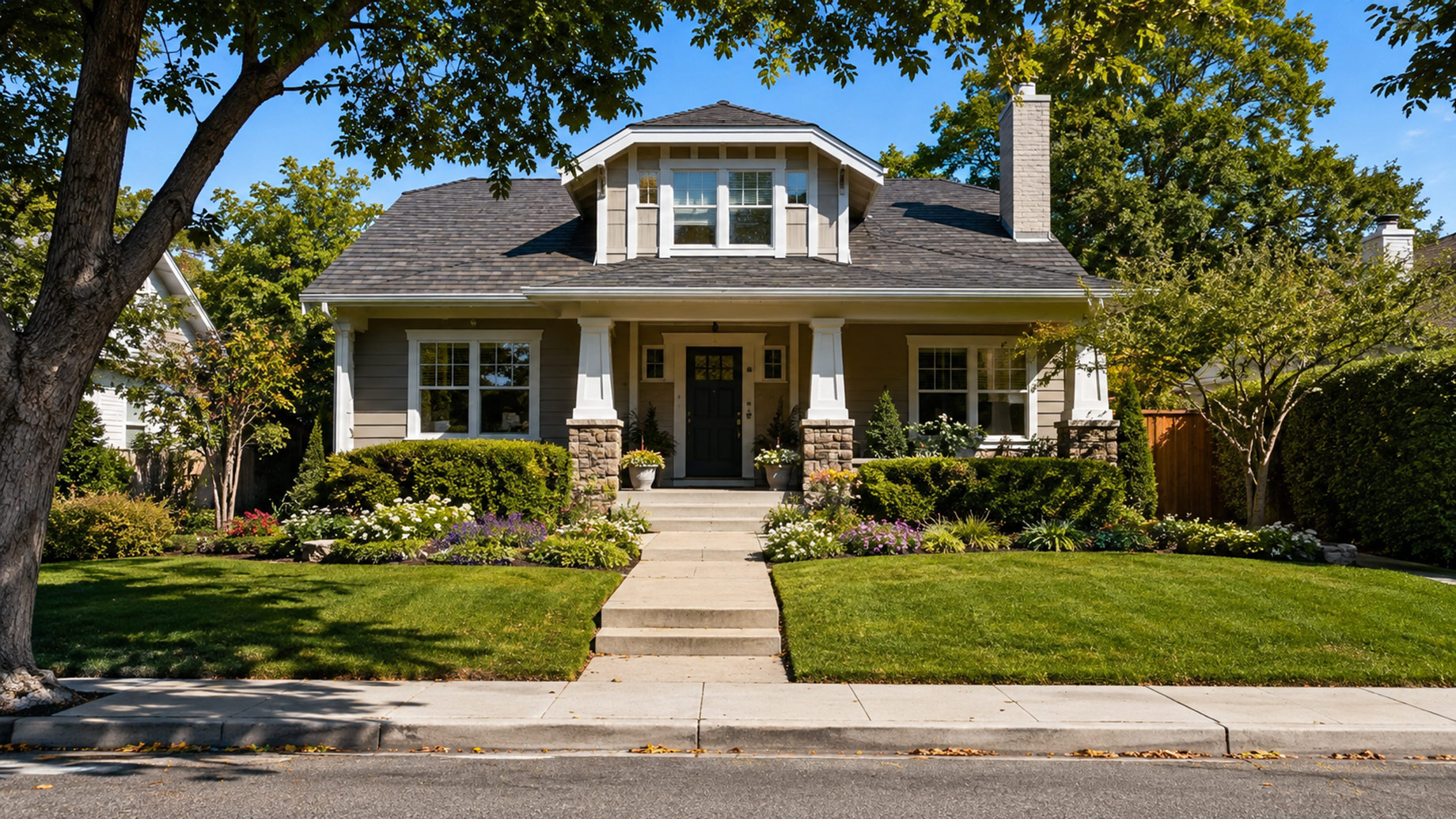
Most home sellers spend hours polishing the words in their listing. They pick the right photos, write catchy lines, and check the price against every house nearby. Yet the truth is simpler than all that effort. A buyer forms an opinion about your home before they read a single sentence. That opinion comes from your front yard. It happens in the car, on the drive up, in the first five seconds, someone looks at your house from the street. If that first look feels messy or tired, no amount of clever listing copy will fix it in their mind.
Your Yard Sends a Message First
Think about the last time you drove somewhere new. You probably judged the place before you even parked. Homes work the same way. A buyer pulls up, glances at the lawn, the walkway, the porch, and forms a quick impression. This happens faster than most sellers realize, often within seconds of arriving.
That impression sticks. If the grass is patchy or the bushes look wild, buyers start hunting for other problems before they even step inside. If the yard looks cared for, buyers walk in already leaning toward a yes. Companies like Simple Quarters that work with home sellers often point out that curb appeal changes how buyers read everything else about a property, including the price tag.
A tidy yard also tells a quieter story about upkeep. Buyers assume that if the outside looks neglected, the inside might hide bigger issues, too. Fair or not, this is how people think when spending their savings on a house.
Quick truth: Buyers judge a home before they ever touch the front door handle.
Small Fixes That Make a Big Difference
You don’t need a full landscaping crew to change how your yard reads to a stranger. Small, low-cost jobs often carry the biggest visual reward.
Start with the grass. Mow it, edge it, and pull weeds from the cracks in the driveway or walkway. A lawn that’s cut and even looks cared for, even if it’s not perfect.
Next, look at your front door. A fresh coat of paint on the door, a clean mat, and working porch lights make a home feel welcoming rather than forgotten.
Trim anything that’s grown over windows or blocking the walkway. Overgrown bushes make a house feel closed off and can even make buyers nervous about what’s hiding behind them.
Add a few pops of color near the entry, whether that’s potted plants or flowers along the path. This small touch signals attention to detail.
Quick checklist for a weekend refresh:
- Mow and edge the lawn
- Pull weeds from cracks and beds
- Paint or clean the front door
- Add a fresh doormat
- Trim overgrown bushes and branches
- Add potted plants or flowers near the entry
Photos Won’t Save a Bad First Look
Listing photos matter, yet they can’t undo what a buyer already felt driving up. Many buyers scroll through photos online first, sure, yet most still drive by a house before requesting a showing, and this is common in smaller towns and suburban areas where curb appeal carries real weight. The same attention to first impressions also influences interest in seaside apartments, where exterior appearance often shapes a buyer’s expectations before they step inside.
If your front yard looks rundown in person after the buyer already loved the online photos, that gap between expectation and reality creates doubt. Doubt is the last thing you want a buyer to feel as they walk toward your door.
What Buyers Notice Without Realizing It
Buyers rarely walk up thinking, ” Let me judge this lawn. Instead, their brain quietly logs small details and turns them into feelings.
- They notice whether the paint looks fresh or faded on the trim and shutters.
- They notice cracks in the driveway or sidewalk, even hairline ones.
- They notice clutter near the garage, leftover toys, tools, or bins left out in the open.
- They notice whether the mailbox and house numbers look updated or worn down.
Each of these small signals adds up. None of them alone will kill a sale, yet together they shape how much trust a buyer places in the rest of the house before they’ve even opened the front door.
| Small Detail | What It Tells a Buyer |
|---|---|
| Faded trim or shutters | The home hasn’t been kept up |
| Cracked driveway or walkway | Repairs may be overdue |
| Clutter near the garage | Less pride in the property |
| Worn mailbox or numbers | Small details get ignored |
Seasonal Touches That Keep Curb Appeal Fresh
Curb appeal isn’t a one-time job. It shifts with the seasons, and smart sellers adjust along with it.
In spring, focus on new growth. Fresh mulch, blooming flowers, and a freshly cut lawn all signal life and care.
In summer, keep everything watered and green. A brown, dry lawn under the summer sun tells buyers the home hasn’t been watched closely.
In the fall, rake leaves often and clear gutters. A yard buried under leaves feels forgotten, even if the house itself is in great shape.
In winter, clear walkways of snow and ice quickly, and keep porch lights working since daylight fades earlier.
Why This Matters More Than Sellers Think
Sellers often assume buyers care most about square footage, kitchen updates, or the number of bedrooms. Those things matter, yet they only come into play once a buyer feels good enough to walk through the door.
Curb appeal isn’t decoration. It’s the first filter buyers run your home through, whether they realize it or not. A clean, cared-for yard buys you trust before a single word of your listing gets read.
Getting Your Front Yard Ready to Sell
You don’t need a big budget or weeks of work to change how your front yard reads to a buyer. A weekend of mowing, trimming, cleaning, and adding small touches of color can shift the whole impression your home gives off.
Walk outside and stand where a buyer would stand, at the curb, looking at your house fresh. Notice what jumps out first. Fix that thing first.
Your front yard is the opening line of your home’s story. Make sure it’s something buyers want to keep reading.
FAQs
Q1: Why is my front yard important when selling my home?
Answer: Your front yard is crucial because it creates the first impression for potential buyers. Many people form an opinion about a home before they even read the listing, so a clean, well-maintained yard can make a big difference. Simple Quarters understands how important curb appeal is and can help homeowners explore their selling options with confidence.
Q2: What small fixes can I make to improve my front yard?
Answer: You can make a big impact with small, low-cost jobs! Mow and edge the lawn, pull weeds, paint or clean the front door, add a fresh doormat, trim overgrown bushes, and incorporate some potted plants or flowers near the entryway.
Q3: How does curb appeal affect buyer perception?
Answer: Curb appeal affects buyer perception because it sets the tone for their entire experience. If your yard looks neglected, buyers may assume the inside has issues, too. A well-kept yard signals that the home has been cared for, making buyers more inclined to see it positively.
Q4: Do listing photos matter if the front yard looks bad?
Answer: Yes, listing photos are important, but they can’t compensate for a poor first impression in person. Many buyers will drive by a home before requesting a showing, and if the yard looks rundown compared to the photos, it can create doubt about the property.
Q5: How can I maintain curb appeal throughout the seasons?
Answer: To maintain curb appeal, adjust your yard care with the seasons. In spring, focus on new growth and fresh mulch; in summer, keep everything green and hydrated; in fall, rake leaves and clear gutters; and in winter, promptly remove snow and ice from walkways.
