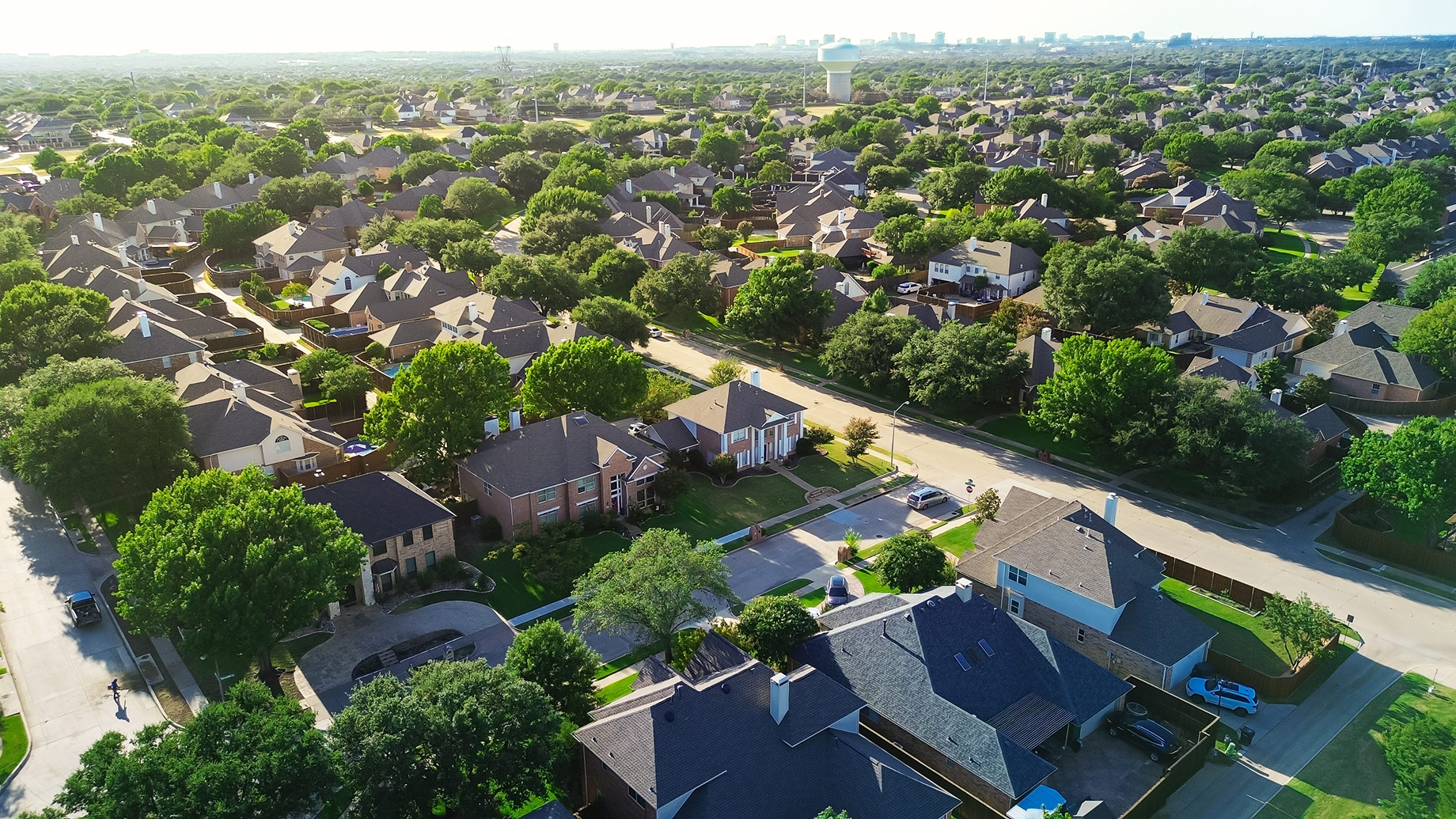
The fastest-growing city in America is not a city most people can find on a map. It’s Celina, Texas, a Dallas suburb about an hour north of downtown that grew 24.6% in a single year, adding more than 12,700 residents between July 2024 and July 2025. And Celina isn’t an outlier. Of the 15 fastest-growing cities in the country, 6 are Dallas-Fort Worth suburbs: Celina, Princeton, Melissa, Anna, Forney, and Greenville.
Something is clearly happening in North Texas. Here’s what’s pulling families to the Dallas suburbs, which ones fit which budgets, and how to plan the move once you’ve picked yours.
What’s driving the boom
The money math works. Texas has no state income tax, and suburban home prices undercut most major metros. Princeton’s median home price sits around $325,000, below the national average of about $354,000, in a county where many neighboring cities top $500,000. A family selling a modest home in California or the Northeast can often buy new construction here and bank the difference.
The jobs moved to the suburbs too. The corridor through Plano, Frisco, and McKinney holds major corporate campuses, so many families commute from suburb to suburb rather than into downtown Dallas. Living in Celina or Prosper puts you 20 to 30 minutes from those job centers, not from a distant urban core.
Everything is new. Fast-growing suburbs offer newly built schools, parks, trails, and shopping. Celina alone has announced new H-E-B, Costco, and Lowe’s locations, plus a $237 million hospital that’s already open. Families get 2026 infrastructure instead of retrofitted 1970s sprawl.
The core is emptying into the edges. While the outer suburbs boom, the city of Dallas lost more than 1,800 residents last year, and Irving, Garland, Carrollton, and Arlington each lost over 1,000. The metro’s growth is happening at its edges, and families are voting with their moving trucks.
A suburb guide by family type
The established names: Frisco, Plano, McKinney, Allen. These cities offer mature schools, big-league amenities (Frisco is home to the Cowboys’ headquarters and PGA Frisco), and resale homes. You’ll pay for the maturity: typical home values in Frisco and McKinney run above Celina’s $500,000-plus.
The boomtowns: Celina, Prosper, Melissa, Anna. North of the established ring, these towns sell new construction, larger lots, and highly rated school districts. Celina and Prosper attract higher budgets, with Celina’s median household income now near $170,000. Melissa and Anna deliver similar new-build appeal in the mid-$400s.
The value plays: Princeton, Forney, Fate, Royse City. East and northeast of the metro, these suburbs keep prices in the low-to-mid $300s. Princeton grew so fast it temporarily paused new residential permits to let roads and utilities catch up. Forney and Fate, near Lake Ray Hubbard, give families lake access without lakefront prices.
Know before you go: 4 honest realities
- Commutes are longer than the map says. A 25-minute drive from Princeton to Plano at 6:30 am can stretch to 55 minutes by 7:45. US 380, US 75, and the Dallas North Tollway all carry more traffic than they were built for. Test-drive your commute at rush hour before you sign anything.
- New construction takes longer now. Build timelines in Celina, Prosper, and Princeton commonly run 9 to 14 months from contract. Many families end up renting or storing belongings longer than planned.
- Property taxes are real. Texas skips the income tax but makes some of it back in property taxes, often 2% or more of home value per year in new districts. Budget for the full monthly payment, not just the mortgage.
- Summer is serious. Plan for 100-degree stretches in July and August, and try to schedule a summer move for early morning.
Planning the move itself
Here’s a detail that surprises people: most moves into these suburbs are local. Families trade Frisco for Celina, or Garland for Forney, swapping a smaller, older home for a bigger, newer one 20 miles away. A few tips make those moves smoother:
- Book early for summer. DFW moving demand peaks May through September, and school-calendar weekends go first.
- Bridge the gap with storage. If your build runs long or your closings don’t line up, portable trailer storage lets you load once and keep your belongings secure until the new house is ready, instead of moving twice.
- Check community rules. Master-planned neighborhoods often require gate codes, HOA move windows, or street-parking permits for moving trucks. Confirm before move day.
- Get a guaranteed price. Some Dallas movers, including Flex Moving & Storage, give you an instant all-inclusive quote online with a guaranteed price and no hidden fees, so a local hop across the metroplex costs exactly what you were quoted.
The bottom line
Families are choosing the Dallas suburbs because the math and the lifestyle line up: attainable homes, new schools, suburb-to-suburb jobs, and room to grow. Pick the ring that fits your budget, drive the commute once at rush hour, and book your move before the summer rush.
Ready to make the jump? Get an instant quote from Dallas movers with a guaranteed price, and see your number before you book.
