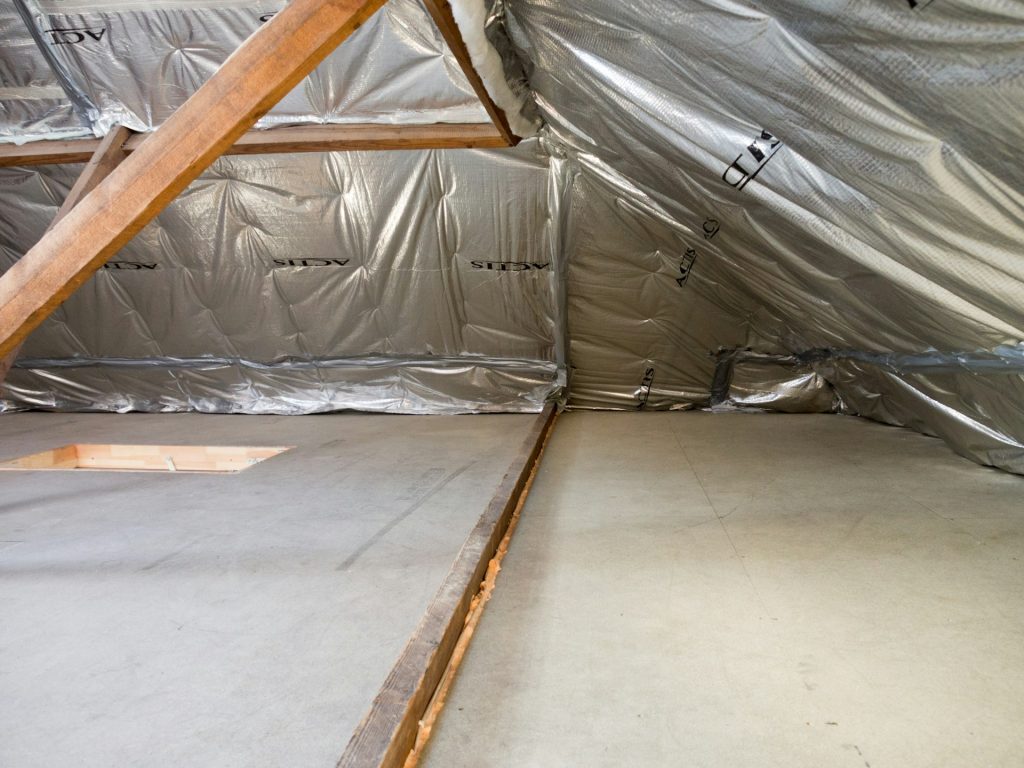
Keeping a home comfortable can be challenging when summer temperatures rise, and the attic begins trapping heat. Traditional insulation slows the movement of heat through ceilings and walls, but it does not address every form of heat transfer. Radiant barrier insulation is designed to reduce radiant heat, which is the heat energy that travels from a warm surface toward a cooler one. It is commonly installed in attics to limit the amount of heat transferred from a hot roof into the living areas below. Understanding how this material works can help homeowners determine whether it is a worthwhile addition to their insulation system.
What Is Radiant Barrier Insulation?
Radiant barrier insulation is a reflective building material that reduces the transfer of radiant heat. It usually consists of aluminum foil applied to a durable backing made from materials such as kraft paper, plastic film, cardboard, or oriented strand board. Unlike fiberglass, cellulose, and spray foam, a radiant barrier does not primarily work by trapping air. Instead, its reflective surface sends radiant energy back toward its source. For the material to work properly, the reflective side must face an open air space.
Radiant barriers are most often installed beneath roof decking, across attic rafters, or over existing attic floor insulation. Some roofing products and structural panels are manufactured with a reflective layer already attached. The material may be installed during new construction or added to an existing attic as a retrofit. Proper placement is important because dust buildup or direct contact with other materials can reduce its reflective performance. A professional installer can evaluate the attic layout and identify the most effective installation method.
How Does a Radiant Barrier Work?
Heat moves through a building in three primary ways: conduction, convection, and radiation. Conduction occurs when heat travels through solid materials, while convection involves heat movement through air or liquid. Radiation is the transfer of heat through electromagnetic energy, such as the warmth felt from sunlight or a hot surface. On a sunny day, roofing materials absorb solar energy and become extremely hot. That heat then radiates from the underside of the roof into the attic.
A radiant barrier reflects much of this energy instead of allowing it to travel deeper into the attic. By reducing radiant heat transfer, the barrier can lower the temperature of surfaces and materials below the roof. This may reduce the amount of heat that reaches the ceiling insulation and conditioned rooms. The result can be a cooler attic and less demand on the home’s air conditioning system. However, the barrier does not stop conductive heat transfer, so it is not a complete replacement for conventional insulation.
Does Radiant Barrier Insulation Work?
Radiant barrier insulation can work effectively when it is installed correctly and used in an appropriate climate. Its main benefit is reducing heat gain during periods of intense sunlight and high outdoor temperatures. Homes in hot or sunny regions are generally more likely to experience noticeable results than homes in cool or cloudy areas. Roof design, attic ventilation, existing insulation levels, and HVAC efficiency also influence performance. A radiant barrier should be viewed as one part of a broader home energy strategy.
Homeowners may notice improved comfort in upstairs rooms, especially when those rooms are located directly below the attic. The air conditioning system may also run less frequently or maintain the desired indoor temperature more easily. Actual energy savings vary widely because every home has different construction features and usage patterns. A poorly sealed or under-insulated attic may still waste significant energy even after a radiant barrier is installed. Air sealing and adequate thermal insulation should usually be addressed before or alongside a radiant barrier project.
Benefits of Radiant Barrier Insulation
The most significant advantage of a radiant barrier is its ability to reduce solar heat gain through the roof. This can help make attic spaces less extreme during the hottest parts of the day. Lower attic temperatures may also reduce stress on air ducts and HVAC equipment located in the attic. Because the material does not absorb moisture like some traditional insulation products, it can remain durable when installed under suitable conditions. Its thin profile also allows it to be installed in spaces where adding thick insulation may be difficult.
Potential benefits of radiant barrier insulation include:
- Reduced radiant heat transfer from the roof
- Improved comfort in rooms below the attic
- Lower cooling demand during hot weather
- Better performance from attic-mounted ductwork
- Possible reductions in summer energy costs
- Added support for an existing insulation system
These benefits are most noticeable when the home receives substantial sun exposure and relies heavily on air conditioning. A radiant barrier may provide less value when the attic already stays relatively cool, or the roof is heavily shaded. Homeowners should consider both installation costs and expected energy savings before moving forward. An energy audit can provide useful information about where heat is entering the home. This assessment can also reveal whether another improvement would produce a better return.
Limitations and Common Misconceptions
One common misconception is that a radiant barrier can replace fiberglass, cellulose, or spray foam insulation. Traditional insulation is assigned an R-value that measures its resistance to conductive heat flow. A radiant barrier typically does not provide a meaningful standalone R-value because it works through reflection rather than thermal resistance. Without an adjacent air space, its ability to reflect heat is greatly reduced. Most homes still need conventional insulation to control heat movement throughout the year.
Another misconception is that installing more layers will automatically produce greater energy savings. Multiple reflective layers may add little value if they are placed directly against one another without air spaces. Dust can also collect on an upward-facing surface and make it less reflective over time. Installation methods must account for ventilation, electrical wiring, moisture management, and fire safety. A radiant barrier should never block required attic vents or create unsafe conditions around heat-producing equipment.
Where Should a Radiant Barrier Be Installed?
In new construction, radiant barrier sheathing may be installed as part of the roof assembly. The reflective surface generally faces downward into the attic so that it remains next to an air space and collects less dust. In an existing home, installers may attach the material to the underside of the roof rafters. Another option is laying it over attic floor insulation, although this approach may be more vulnerable to dust buildup. The best method depends on the attic configuration and local building practices.
Before installation, the attic should be inspected for roof leaks, moisture problems, damaged insulation, and inadequate ventilation. Air leaks around plumbing penetrations, wiring, recessed lights, and attic access points should also be sealed. These improvements can prevent conditioned air from escaping and help the entire insulation system perform better. Any existing insulation that has been compressed, contaminated, or displaced may need to be repaired. Installing a reflective barrier without addressing these issues may limit the project’s effectiveness.
Radiant Barrier Insulation Versus Traditional Insulation
Radiant barriers and traditional insulation serve different purposes, so they should not be treated as interchangeable products. Fiberglass, cellulose, mineral wool, and foam slow conductive and convective heat movement. Radiant barriers primarily reduce the radiant heat traveling from the roof toward the attic floor. Conventional insulation is important in both hot and cold weather because it helps prevent indoor heat from escaping during winter. A radiant barrier is generally most useful for controlling summer heat gain.
The strongest attic system may combine air sealing, properly rated insulation, ventilation, and a radiant barrier. Each component addresses a different source of energy loss or heat transfer. Air sealing reduces uncontrolled airflow, while bulk insulation slows conductive heat movement. Ventilation helps manage attic heat and moisture under appropriate conditions. The radiant barrier adds another layer of protection by reflecting heat from the roof.
How Much Can a Radiant Barrier Save?
Energy savings depend on local weather, utility rates, home design, thermostat settings, and existing insulation. A home with an older roof, minimal attic insulation, and extensive sun exposure may experience different results from a shaded home with modern insulation. Cooling savings may also be greater when air ducts are located in the attic because lower surrounding temperatures reduce duct heat gain. However, no installer should promise a specific reduction without evaluating the property. Broad savings estimates cannot account for every factor that affects household energy use.
Homeowners should compare the cost of installation with other possible efficiency upgrades. Adding attic insulation, sealing duct leaks, improving roof ventilation, or replacing inefficient HVAC equipment may provide greater savings in some homes. In other situations, a radiant barrier may be a practical finishing improvement after the major energy problems have been corrected. Requesting multiple estimates can help homeowners understand material, labor, and preparation costs. Each proposal should clearly explain where the barrier will be installed and how the attic air space will be maintained.
Frequently Asked Questions
Is radiant barrier insulation worth it?
It may be worth the investment for homes in hot, sunny climates with significant attic heat gain. Its value is usually lower in cooler climates or heavily shaded homes. An attic inspection or home energy audit can help determine whether the expected benefits justify the cost.
Does a radiant barrier make the attic cooler?
A properly installed radiant barrier can reduce the amount of heat radiated from the roof into the attic. This may lower attic surface temperatures and improve conditions around ductwork. Results depend on roof exposure, ventilation, and installation quality.
Can radiant barrier insulation replace attic insulation?
No, a radiant barrier should not replace conventional attic insulation. It reflects radiant energy but provides limited resistance to conductive heat transfer. Most homes need both proper insulation and air sealing for year-round efficiency.
Which side of a radiant barrier should face outward?
The reflective surface must face an open air space to work effectively. In many attic installations, the reflective side faces downward toward the attic. The correct orientation may vary based on the product and installation method.
Can homeowners install a radiant barrier themselves?
Some homeowners can complete the project, but attic work may involve electrical hazards, sharp fasteners, extreme heat, and difficult access. Incorrect installation can block ventilation or reduce performance. Professional installation is often safer for complex or confined attics.
Does a radiant barrier help during winter?
A radiant barrier may reduce some radiant heat movement, but winter benefits are usually limited compared with its summer performance. Traditional insulation and air sealing are more important for keeping indoor heat from escaping. Homeowners in cold climates should prioritize adequate R-value and draft reduction.
Is Radiant Barrier Insulation Right for Your Home?
Radiant barrier insulation can be a useful addition for homes that experience intense roof heat and high cooling demands. It is most effective when the attic already has proper air sealing, ventilation, and conventional insulation. Homeowners should avoid viewing it as a universal solution or a substitute for basic energy efficiency improvements. Climate, roof exposure, attic design, installation quality, and project cost should all be evaluated. A qualified insulation contractor or energy auditor can help determine whether a radiant barrier fits the home’s needs and expected budget.
When properly selected and installed, a radiant barrier can improve comfort and support lower summer cooling costs. Its performance is strongest when it is integrated with other measures rather than used alone. Fixing roof leaks, sealing attic penetrations, repairing ductwork, and maintaining sufficient insulation can maximize the overall result. Homeowners should request clear product information and avoid exaggerated savings claims. A carefully planned approach will provide a better chance of achieving lasting comfort and energy efficiency.