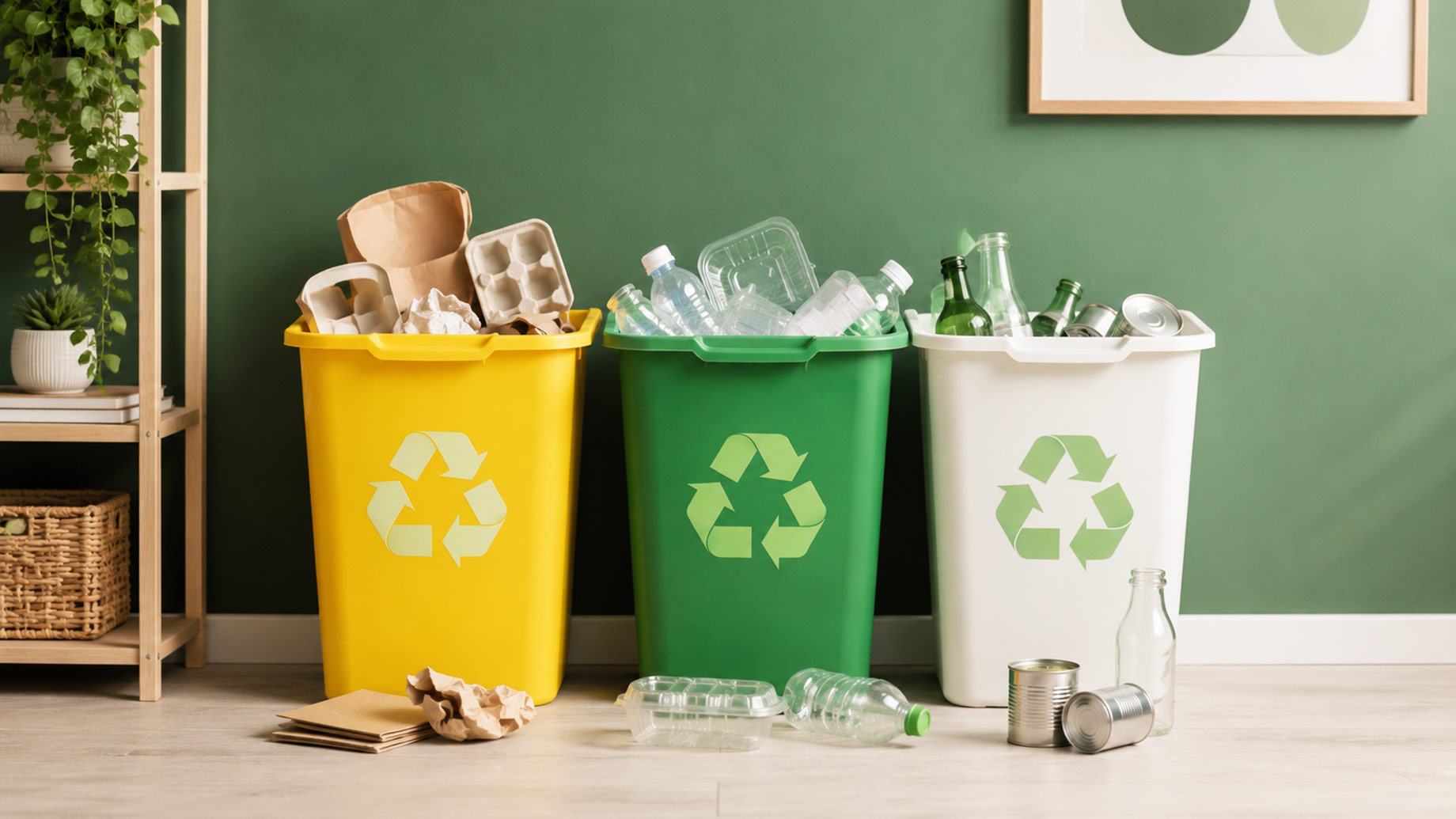
Modern interior design is no longer just about aesthetics; it is about accountability. As urban living spaces evolve, the demand for stylish environments has collided with an urgent need for environmental responsibility. Today’s top designers look far beyond color palettes and furniture arrangements – they closely examine the entire lifecycle of every material used.
Homeowners and businesses alike seek environments that reflect their commitment to preserving the planet. Consequently, sustainable waste management has emerged as a fundamental pillar of contemporary design, fundamentally transforming how we conceptualize, build, and renovate our spaces.
By integrating eco-friendly practices from the ground up, modern design successfully proves that luxury and sustainability can seamlessly coexist, paving the way for a greener and more mindful future.
Innovative Solutions for Stylish, Greener Spaces
Achieving a sleek, modern look without compromising the environment requires highly innovative waste solutions. Upcycling has taken center stage, turning discarded items into bespoke focal points, such as reclaimed wood dining tables or industrial lighting made from repurposed metals. Every piece of debris represents an opportunity for renewal if handled correctly.
However, managing the sheer volume of waste generated during major design overhauls requires professional expertise and coordination. Utilizing efficient rubbish clearance services like aussiejunk.com.au ensures that old furniture, structural waste, and unwanted materials are diverted from landfills and safely directed to appropriate recycling facilities. This meticulous approach to waste stream management allows modern designers to focus entirely on creating breathtaking, functional layouts. By bridging the gap between waste logistics and creative artistry, modern spaces become truly holistic. When waste is managed smartly, it transitions from an environmental burden into a true catalyst for innovative, stylish, and greener spaces.
Embracing Circular Design and Eco-Friendly Practices
The traditional linear model of “take, make, and dispose” is rapidly fading within the interior design industry. Instead, professional designers are passionately embracing circular design, which prioritizes resource efficiency and waste minimization. It encourages a transformative mindset where almost every discarded item can eventually be reused.
During a standard property renovation, significant amounts of drywall, old flooring, and outdated fixtures unfortunately end up in local landfills. Sustainable waste management effectively solves this issue by implementing strict sorting and recycling protocols right at the demolition stage. By responsibly managing construction debris, design teams can salvage valuable materials like timber, metal, and glass for future creative projects. This eco-friendly practice not only reduces the carbon footprint of a renovation but also ensures that fewer raw resources are extracted from the earth, creating a more sustainable production loop.
The Tangible Impact of Eco-Conscious Design
When sustainable waste practices meet modern design, the results extend far beyond mere aesthetics. Implementing these eco-friendly frameworks fundamentally reshapes how spaces feel and function over time. Here are some key benefits:
- Reduces overall environmental landfill footprint.
- Encourages creative material upcycling solutions.
- Enhances indoor residential air quality.
- Lowers project material procurement costs.
- Promotes lasting global ecological responsibility.
Crafting a Beautiful, Waste-Free Tomorrow
The intersection of modern interior design and sustainable waste management represents a critical evolution in how we view our living spaces. Designing a beautiful home or commercial office is no longer separate from actively caring for the planet.
By making intentional choices regarding waste disposal, recycling, and material selection, designers and homeowners alike can craft stunning, healthier spaces that stand the test of time. Embracing these green practices ensures our interiors reflect not just our personal style, but our collective values for future generations.
If you’d like to learn more, check out more articles on our blog. Looking for more tips and ideas? We’ve got you covered. Check out some of our other posts now.
