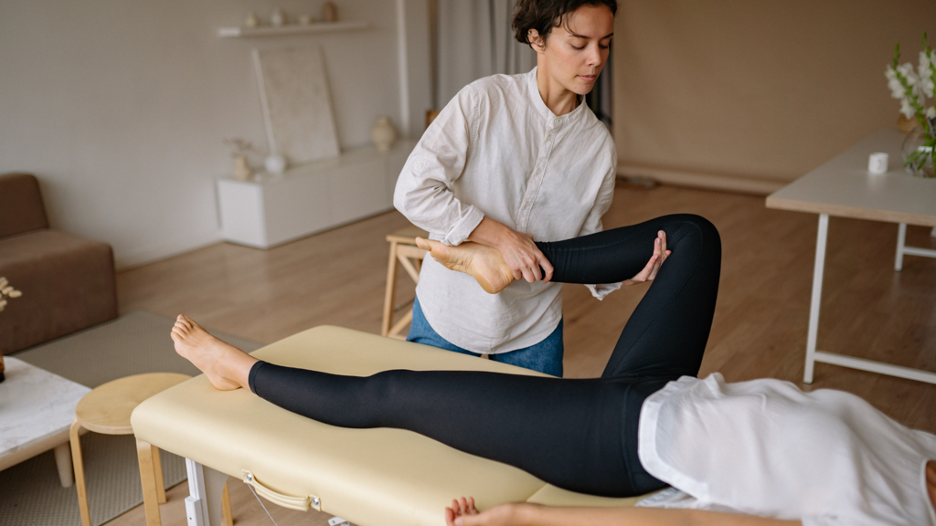
Sore legs. Tight shoulders. That annoying “why do I still feel stiff?” moment the morning after a workout or after eight hours at a desk. Recovery can feel surprisingly complicated once you start looking at all the tools available.
And yes, the right method can make a real difference. One study found, “The results showed significant reductions in fatigue (-51.5%), muscle pain (-49.6%), blood circulation difficulties (-23.1%), and stress (-20.9%)”. That is exactly why understanding heat therapy benefits alongside compression-based recovery is worth your time.
Exploring Heat Therapy Benefits for Faster Muscle Recovery
When your body feels tight or overworked, recovery is not just about resting. It is about helping your muscles feel safe enough to loosen up again. Heat therapy is one of the most familiar ways to do that because it supports circulation and encourages softer, easier movement.
Across the USA, recovery needs look very different. A marathon runner in Boston, a founder glued to calls in Dallas, and an active retiree in Arizona may all want relief, but not from the same routine or lifestyle. That is why home recovery tools need to be adjustable, simple, and useful in real life.
If you want one setup that brings heat, massage, and airbag technology together, comparison resources like Best massage chair in USA can help you evaluate chairs that combine these features. OSIM, for example, brings decades of massage chair design, patented technology, and U.S. shipping options into that discussion.
How Heat Therapy Accelerates Natural Healing Processes
Heat works because it encourages blood flow. More circulation means tired tissue gets better access to oxygen and nutrients. In plain English, your muscles may relax faster, feel less guarded, and move with less resistance.
For many people, the most noticeable heat therapy benefits appear before stretching or gentle mobility work. Warm muscles often feel more cooperative. You know that “finally, I can move” feeling? That is the goal.
Heat Therapy Tools for Home Use
Today’s heat tools are more advanced than the basic heating pad sitting in the back of a closet. You can choose heated wraps, infrared panels, massage devices with warmth, or full-body chairs that target the back, hips, calves, and shoulders.
If you are comparing all-in-one options, Best massage chair in USA is useful for reviewing features such as carbon fiber heating, body scanning, zero gravity recline, and full-body massage settings.
Using Heat Around Workouts
Heat is usually best once the fresh “hot and swollen” injury stage has passed. It often helps with tight backs, stiff joints, delayed soreness, and those low-grade aches that creep in after a long week.
Pair heat with slow stretching, relaxed breathing, or a short walk. And don’t overdo the temperature. Comfortable warmth beats “let’s see how much I can tolerate” every time.
Heat is excellent for stiffness, but it may not be the first answer for swollen calves or legs that feel heavy after training. That is where air compression comes in.
Air Compression Recovery Revolutionizing Muscle Recovery Techniques
Heat is about warmth and flexibility. Compression is about fluid movement. That makes air compression recovery especially helpful after long runs, cycling sessions, leg days, travel days, or hours spent standing.
At first, compression boots or sleeves can feel a little futuristic. But the concept is simple: rhythmic pressure squeezes and releases muscles to help move fluid through your limbs.
The Science Behind Air Compression Recovery
Air compression devices use pneumatic chambers that inflate and deflate in patterns. This pressure may support lymphatic drainage, ease that “heavy legs” sensation, and help manage swelling after demanding activity.
These muscle recovery techniques do not magically “flush toxins,” despite some dramatic marketing claims. Still, they can help your body move fluid more efficiently, which often feels like a practical reset.
Modern Device Features and Feel
Modern compression tools often include adjustable pressure, zone control, timers, and preset recovery programs. Some massage chairs also include air compression around the calves, feet, arms, and hips.
Comfort matters more than people admit. If a device pinches, slips, or takes ages to set up, you probably will not use it consistently. Fancy features mean very little if the experience feels like a chore.
Who Benefits Most?
Runners, cyclists, CrossFit athletes, basketball players, and people who stand all day may notice the biggest benefit. Compression may also support certain rehab plans, although medical guidance is important.
Nearly 62% of patients undergoing treatment for venous disorders now use some form of compression therapy as part of routine care. If you have diabetes, clotting risks, severe circulation problems, or heart-related swelling, speak with a clinician first.
Now that both options are clearer, the practical question is simple: what does your body need today?
Heat Therapy vs Air Compression Side-by-Side Comparison of Best Recovery Methods
When comparing heat therapy vs air compression, it is not a winner-takes-all contest. They solve different problems. That is why both can fit into a thoughtful recovery routine.
The best recovery methods are the ones that match what your body is telling you. Tight and stiff? Heat may be your friend. Swollen and heavy? Compression may be the better starting point.
Key Differences in Muscle Recovery Outcomes
Heat is usually best for stiffness, mild soreness, and restricted movement. It can also feel calming, which helps when stress makes your muscles tighten up like a clenched fist.
Compression is typically better for swelling, post-workout leg heaviness, and recovery after repetitive lower-body effort. It feels more active, while heat feels more soothing.
| Recovery Need | Better Match | Why It Helps |
| Stiff back or tight hips | Heat therapy | Warms tissue and supports easier movement |
| Swollen calves or heavy legs | Air compression | Helps move fluid and reduce limb heaviness |
| Post-workout soreness | Both | Heat relaxes; compression supports circulation |
| Daily stress tension | Heat therapy | Comforting warmth can calm guarded muscles |
When to Choose Each Method
Choose heat when discomfort feels dull, tight, or stiff. Choose compression when your legs feel full, swollen, or tired after high-volume movement.
A hybrid routine can work well too. You might use compression first for heavy legs, then heat later for lingering stiffness. Keep sessions moderate and pay attention to how your body responds.
The good news? Newer devices are making this less of an either-or decision.
Trending Innovations in Muscle Recovery Techniques
Recovery technology keeps becoming more personal. Devices now combine heat, compression, massage, body scanning, and guided settings in one routine.
Still, the main goal has not changed. Good recovery should help you feel better, move easier, and return to your day with more comfort- not leave you exhausted from figuring out buttons and settings.
Smart Devices Combining Heat and Air Compression
Hybrid chairs and wearables are gaining attention because they save time. Instead of using several separate tools, one system can warm tissue, compress limbs, and massage sore areas.
When researching options, the best massage chair in the USA can help you compare adjustable airbag intensity, targeted heating, body-fit scanning, and safety controls in one place. Awards, certifications, and clear warranty information also deserve a close look.
AI and Digital Feedback
Some newer chairs use sensors to map body shape and adjust massage paths. Others connect to apps, letting you choose routines for sleep, soreness, posture, or general relaxation.
The biggest advantage may be consistency. If a device remembers what worked last time, you are more likely to use it again. Small convenience, big difference.
Of course, technology helps. But the right choice still depends on your life.
Choosing the Best Recovery Methods for Your Lifestyle and Needs
A recovery plan should not feel like another task on your to-do list. The right tool fits your schedule, symptoms, training load, comfort level, and budget.
Before buying anything, ask yourself what you need most often. Looser hips? Lighter legs? Better sleep? Relief after sitting all day? Be honest. Your answer should guide the purchase.
Matching Techniques with Personal Goals
Athletes may benefit from alternating heat and compression based on training demands. Desk workers may prefer heat for neck, back, and hip tension.
Older adults or people managing chronic discomfort may appreciate gentle warmth and mild massage. Anyone with medical conditions should check with a healthcare provider before using compression regularly.
Recommended Home Tools
For simple needs, a thermal wrap or compression sleeve may be enough. For full-body support, a quality chair can bring several therapies together in one place.
To find the best fit for your recovery goals, use resources such as Best massage chair in USA to compare heat zones, air compression, recline comfort, U.S. delivery options, and verified certifications.
Once your choices are narrowed down, safety and consistency usually decide what you will actually keep using.
Common Questions About Heat Therapy and Air Compression
What’s better for recovery, ice or heat?
Heat is usually better for stiffness, tightness, and lingering soreness. Ice may help shortly after a sharp injury with swelling. If pain is sudden, intense, or getting worse, get medical advice before treating it at home.
Why is ice no longer recommended?
Ice is not “bad,” but it is used more selectively now. Some experts worry that too much icing may slow natural healing signals. For routine soreness, gentle movement, heat, and compression may feel better for many people.
Can I use heat therapy and air compression together?
Yes, many people can use both, especially when stiffness and heaviness overlap. Start with shorter sessions and avoid combining high heat with strong compression. If you have circulation concerns, diabetes, or clot risks, ask a clinician first.
Recovery does not need to be complicated. Listen to your body, choose the method that matches the moment, and build a routine you can actually stick with. Your muscles will thank you later.