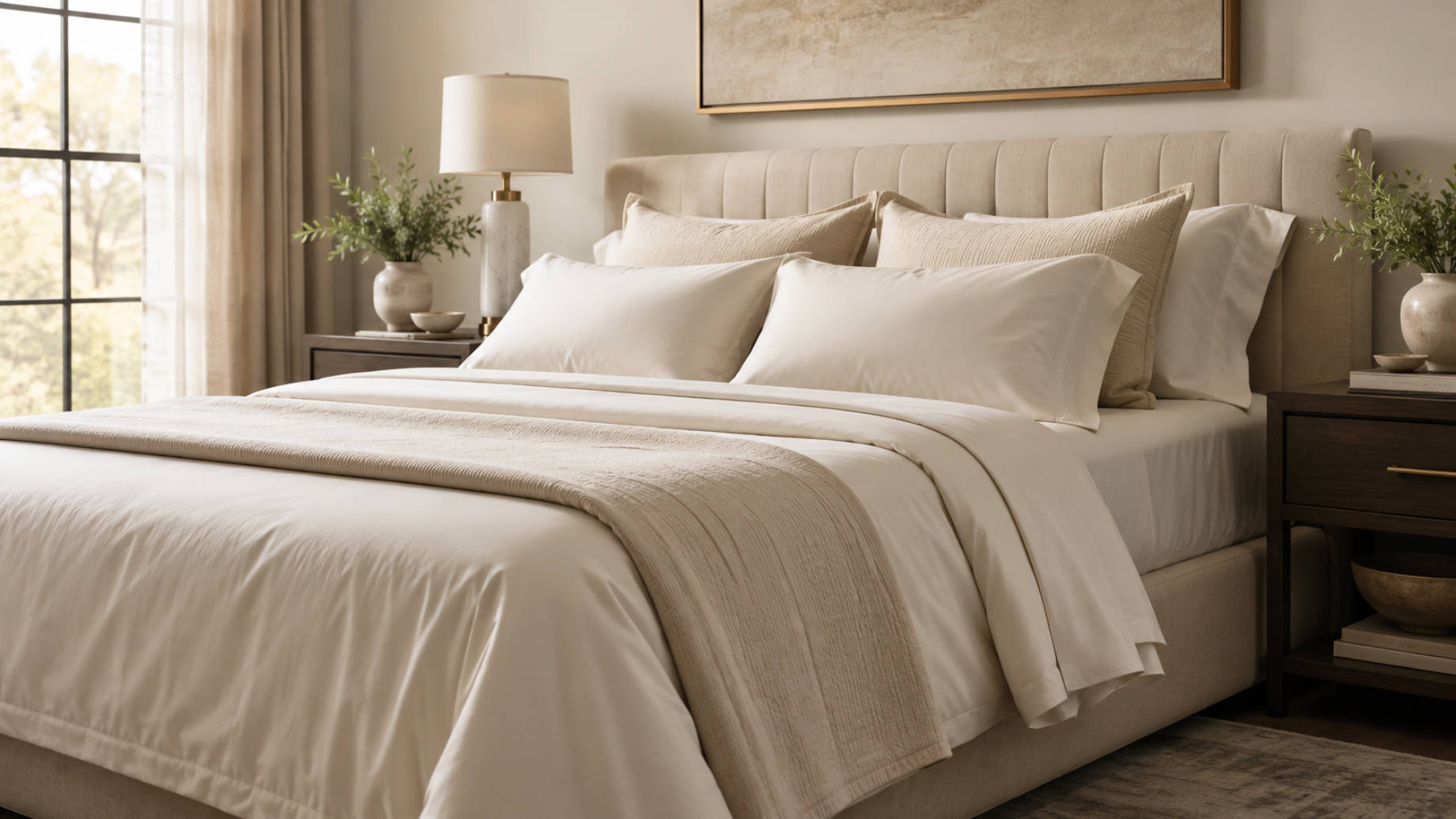
A queen sized bed is one of the most common sleeping setups in Australian and international bedrooms, and the sheets you put on it have a direct impact on your sleep quality. If you are looking to buy queen bed sheets that genuinely deliver night after night, it pays to think carefully about what you are investing in. The difference between a mediocre set and a truly great one is immediately noticeable the moment you slide between them, and the effects on your sleep can be quite significant over time.
In this article, we take a close look at what makes queen bed sheets worth the money, what to look for when shopping and which features separate a genuinely premium product from one that simply looks good on the shelf.
Why Quality Matters More Than Price
It is tempting to grab the cheapest sheets available, especially when they all look similar on a website. But sheet quality directly affects sleep quality, and poor sheets tend to pill, lose their softness, or misshape after just a few washes. A well-made set, by contrast, gets better with every launder and can last for years without needing to be replaced.
Quality queen bed sheets are made from premium materials like Egyptian cotton, long staple Pima cotton, Belgian linen or bamboo viscose. These fibres produce a smoother, more durable yarn that holds up to regular use and washing. When you spend a little more upfront, you typically end up spending less in the long run because you are not replacing sheets every season.
Thread Count: What It Really Means
Thread count is probably the metric most people focus on when buying sheets, but it is widely misunderstood. A higher number does not automatically mean a better sheet. In fact, extremely high thread counts, often above 800, are frequently achieved using inferior materials or by counting individual plies of thread separately, which inflates the number without actually improving the product.
For queen bed sheets, a thread count of 200 to 400 in a quality cotton or cotton blend is often the ideal range. Within that window, you can find sheets that are genuinely soft, durable and breathable. The material and weave matter at least as much as the count, so treat thread count as one indicator among many rather than the definitive measure of quality.
The Weave Makes a Difference
Two of the most common weaves for queen sheets are percale and sateen. Percale has a crisp, cool feel and tends to be more breathable, making it a strong choice for warmer sleepers or those in warmer climates. It has a matte finish and softens gradually over time without losing its freshness.
Sateen, on the other hand, has a four over one under weave that produces a silky, slightly lustrous surface. It has a bit more weight to it, which some sleepers find more luxurious, and it is particularly good for cooler nights or for those who prefer a bedding experience that feels genuinely indulgent. The sheen of sateen also photographs exceptionally well, which is worth considering if you care about how your bedroom looks.
Getting the Fit Right
One of the most common frustrations with queen sheets is fitted sheets that will not stay in place or flat sheets that are too short. When shopping, always check the pocket depth of the fitted sheet to make sure it will accommodate your mattress, particularly if you use a thick mattress topper. Standard pocket depths are typically around 30 centimetres, but some fitted sheets go deeper for thicker mattresses.
A well-fitted sheet not only looks better but also stays in place through the night, meaning you are less likely to wake up to tangled or bunched fabric. It is a small detail that makes a noticeable difference to how comfortable and tidy the bed feels day to day.
How to Care for Your Queen Sheets
Even the best queen bed sheets will not perform well if they are not properly cared for. Most cotton and bamboo sheets should be washed in cool or warm water on a gentle cycle, then tumble-dried on a low heat setting or line-dried where possible. Avoid using bleach on coloured sheets, as it can break down the fibres over time and cause permanent damage.
Linen sheets should always be washed on a gentle cycle and can be line dried or tumble-dried on a low setting. They will wrinkle naturally, which is entirely in keeping with their aesthetic, and can be gently ironed if a crisper look is preferred. The more you wash a quality linen set, the softer it becomes, so do not be afraid to launder it regularly.
What the Experts Recommend
For guidance on what separates a truly premium set from the rest, the Sleep Foundation’s guide to the best luxury bed sheets provides an in-depth breakdown of what to look for, covering everything from fibre quality to long-term performance. It is an excellent resource for anyone looking to invest wisely in quality bedding.
If you are newer to the world of quality bedding and want a clear starting point, HGTV’s sheet buying guide is a practical reference that takes you through all the key decisions, including sizing, material and care instructions. Getting across these basics means you can shop with confidence rather than guesswork.
Making the Investment
Queen bed sheets that are worth every penny share a few things in common: they are made from quality fibres, they are woven with care and they are designed to last. When you find a set that ticks those boxes, it transforms your bed from a functional place to sleep into one of the most comfortable spots in your home. Invest wisely and you will be glad you did every morning you wake up in sheets that still feel great after dozens of washes.
