I still remember the spreadsheet.
Three weeks before my first trip to Japan, I had a color coded itinerary covering Tokyo, Kyoto, Osaka, a day trip to Nara, another to Hiroshima, and a tentative afternoon in Hakone if the weather cooperated. It was a good itinerary. It was also missing one of the most distinctive parts of the country entirely.
Like many first time visitors, I was following Japan’s famous Golden Route. Tokyo, Kyoto, and Osaka dominate guidebooks, travel blogs, YouTube videos, and Japan itinerary recommendations. And for good reason. They deliver many of Japan’s most iconic experiences in a relatively compact trip.
But one of the most rewarding things about traveling in Japan is discovering how much exists beyond the Golden Route and beyond that well traveled corridor.
Japan is not a single experience. It is a collection of regions with distinct histories, cuisines, landscapes, and traditions. From the snowy mountains of Hokkaido and Sapporo to the volcanic landscapes of Kyushu and northern Kyushu, every corner of the country offers something different.
Few places demonstrate that regional diversity better than Okinawa.
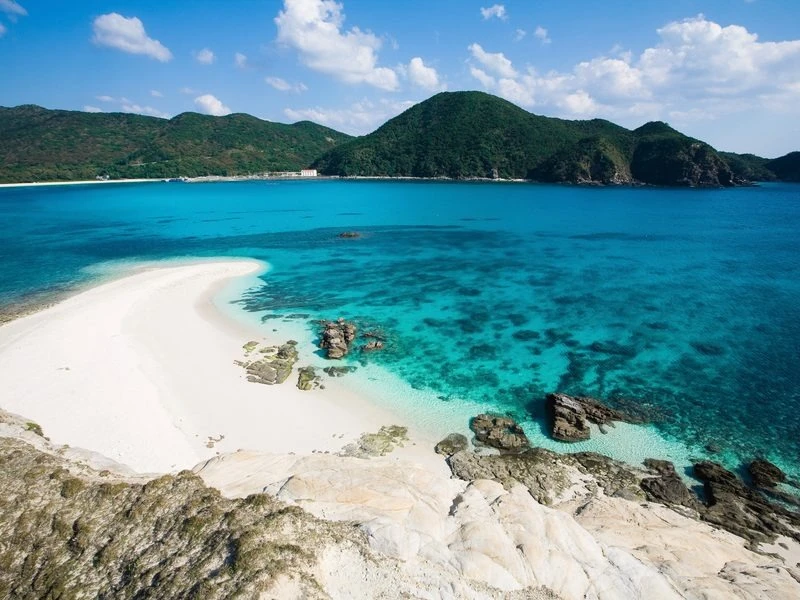
Located hundreds of miles south of the Japanese mainland, Okinawa feels different from the moment you arrive. The climate is subtropical, the history follows a separate path, the food reflects centuries of cultural exchange across Asia, and the pace of life moves at its own rhythm.
Yet despite being one of Japan’s most popular domestic travel destinations, Okinawa remains surprisingly absent from many international itineraries.
If you’re planning a trip to Japan and looking to go beyond the Golden Route, here’s why Okinawa deserves serious consideration.
The Blind Spot in Most Japan Itineraries
One of the surprising things about Okinawa is that it isn’t some hidden gem.
Among Japanese travelers, it’s one of the country’s most beloved destinations. It’s a popular graduation trip destination, a honeymoon favorite, and a go to escape for travelers looking for sunshine, beaches, and a different side of Japan.
Yet many international visitors never seriously consider it.
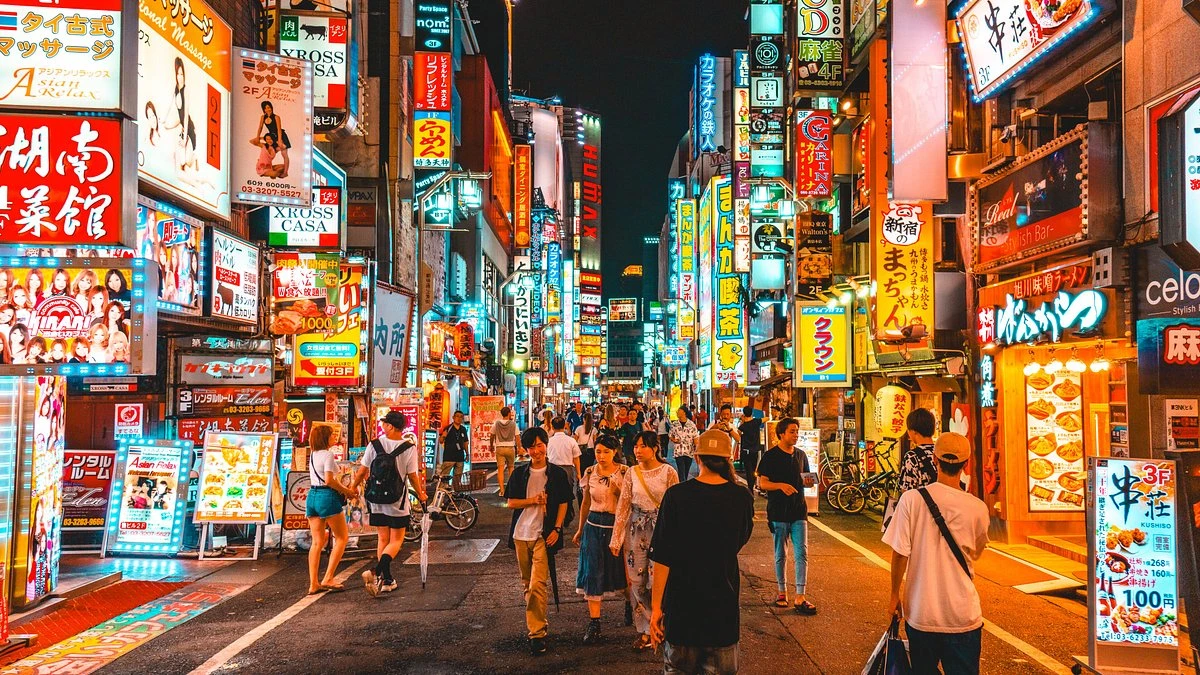
Part of that comes down to itinerary inertia. Most first trip to Japan itineraries follow a similar pattern. Tokyo, Kyoto, Osaka, Hiroshima, and perhaps Hakone if time allows. It’s an excellent route, but it’s also become so dominant that many travelers assume it represents all of Japan.
The result is that Okinawa often feels like an optional extra rather than an integral part of the country’s travel landscape.
The Best Part of Japan Often Isn’t What You Planned
One of the patterns I’ve noticed among repeat visitors to Japan is that their favorite memories rarely come from the places they were most excited about before arriving.
Tokyo’s skyline is impressive. Kyoto’s temples and shrines deserve their reputation. Osaka’s food scene is every bit as good as people say.
But ask travelers about the moments they still talk about years later, and the answers are often surprisingly specific. A conversation with a local shop owner in a quiet countryside town. A hidden beach found by accident. A family run restaurant with no English menu. An unexpected festival that wasn’t in the guidebook.
Japan rewards curiosity.
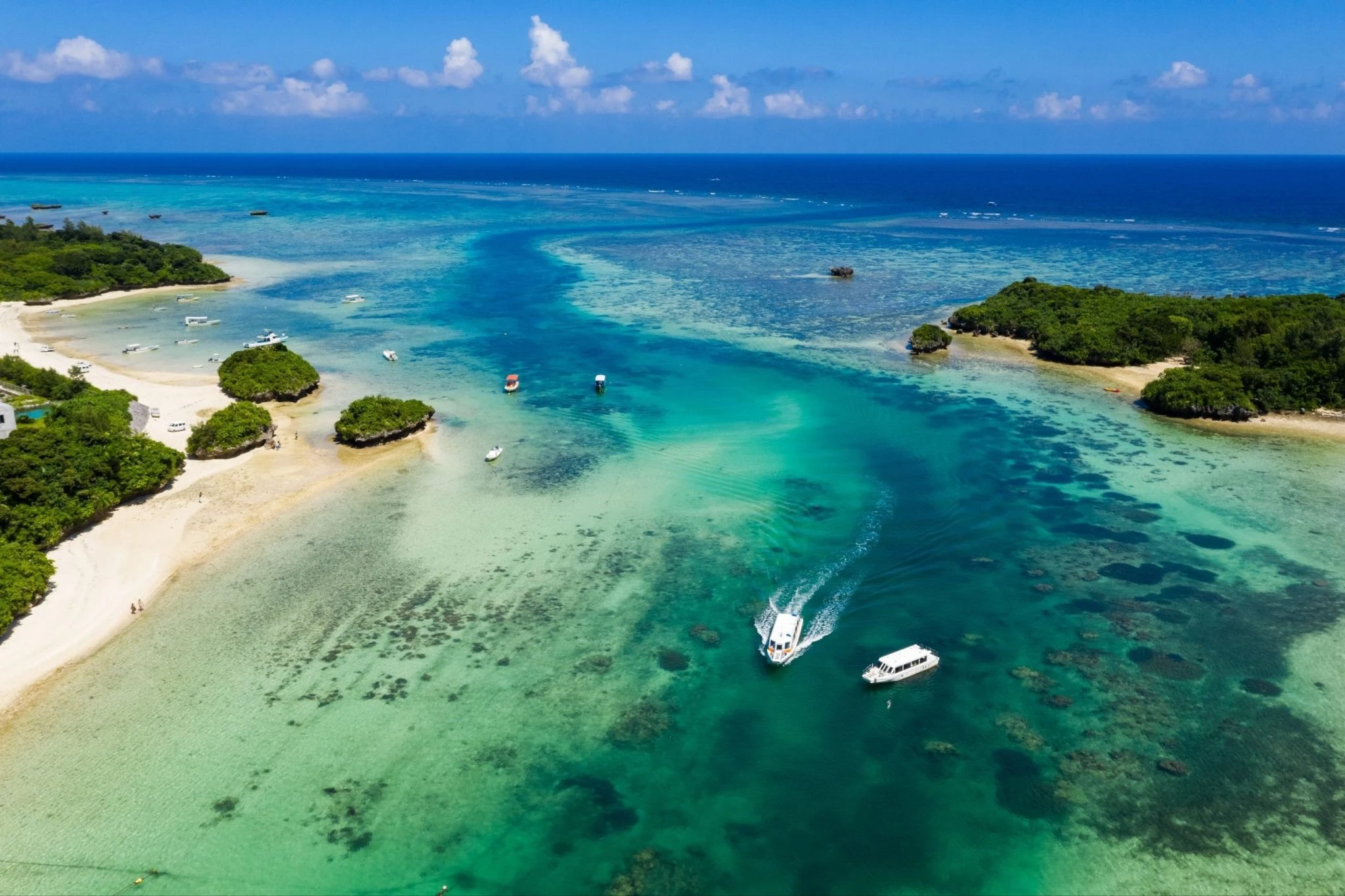
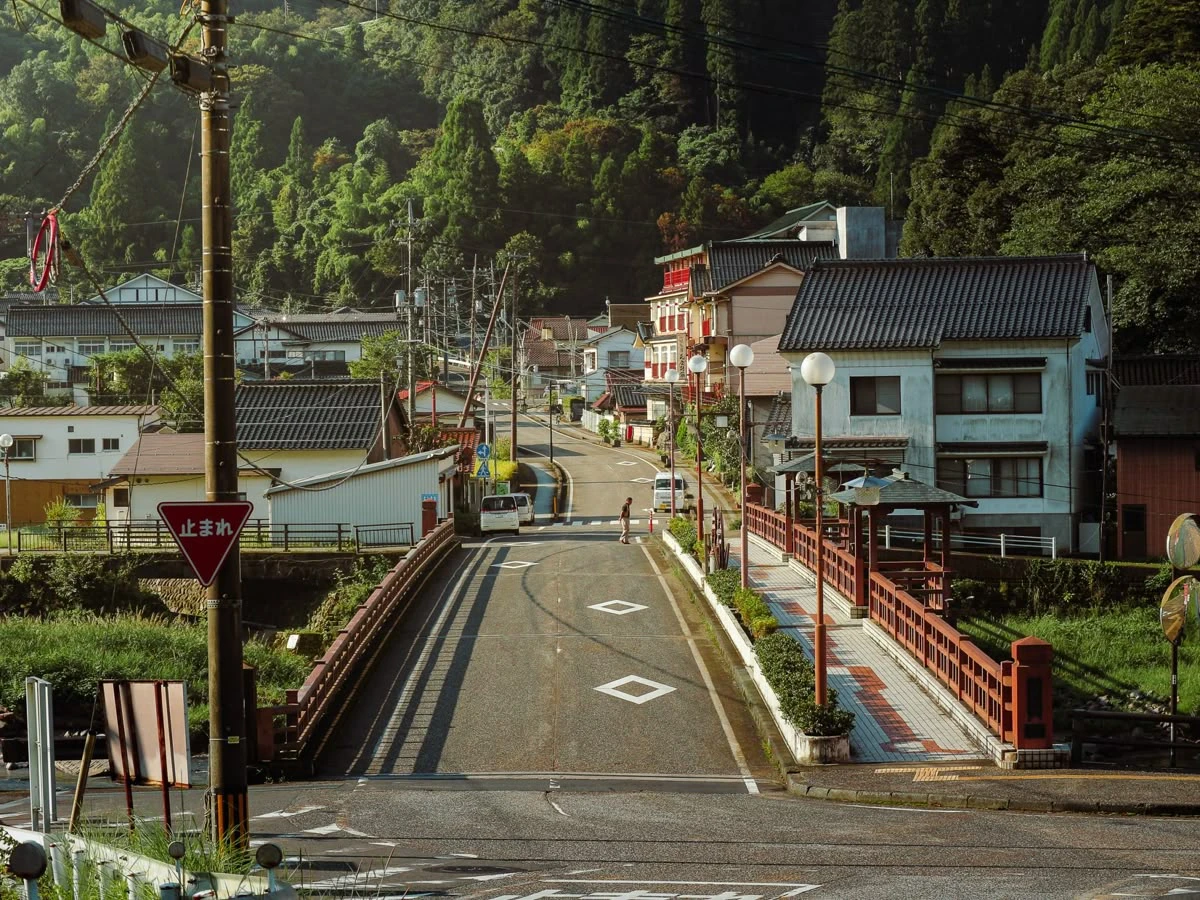
The country is remarkably diverse for its size. The snowy landscapes of Hokkaido feel worlds apart from Okinawa’s tropical coastline. The mountain villages of Takayama and Nagano offer a completely different experience from the energy of downtown Tokyo. Even regional cuisines can feel like traveling between different countries.
That’s why many experienced travelers eventually move beyond the Golden Route. Not because Tokyo, Kyoto, and Osaka aren’t worth visiting, but because they realize those destinations are only part of the story and that much of the country remains unexplored.
Okinawa may be one of the clearest examples of that principle.
What Makes Okinawa Different From the Rest of Japan?
Okinawa isn’t simply “Japan with beaches.”
What makes it special is that it offers experiences you won’t find elsewhere in the country.
A Distinct History
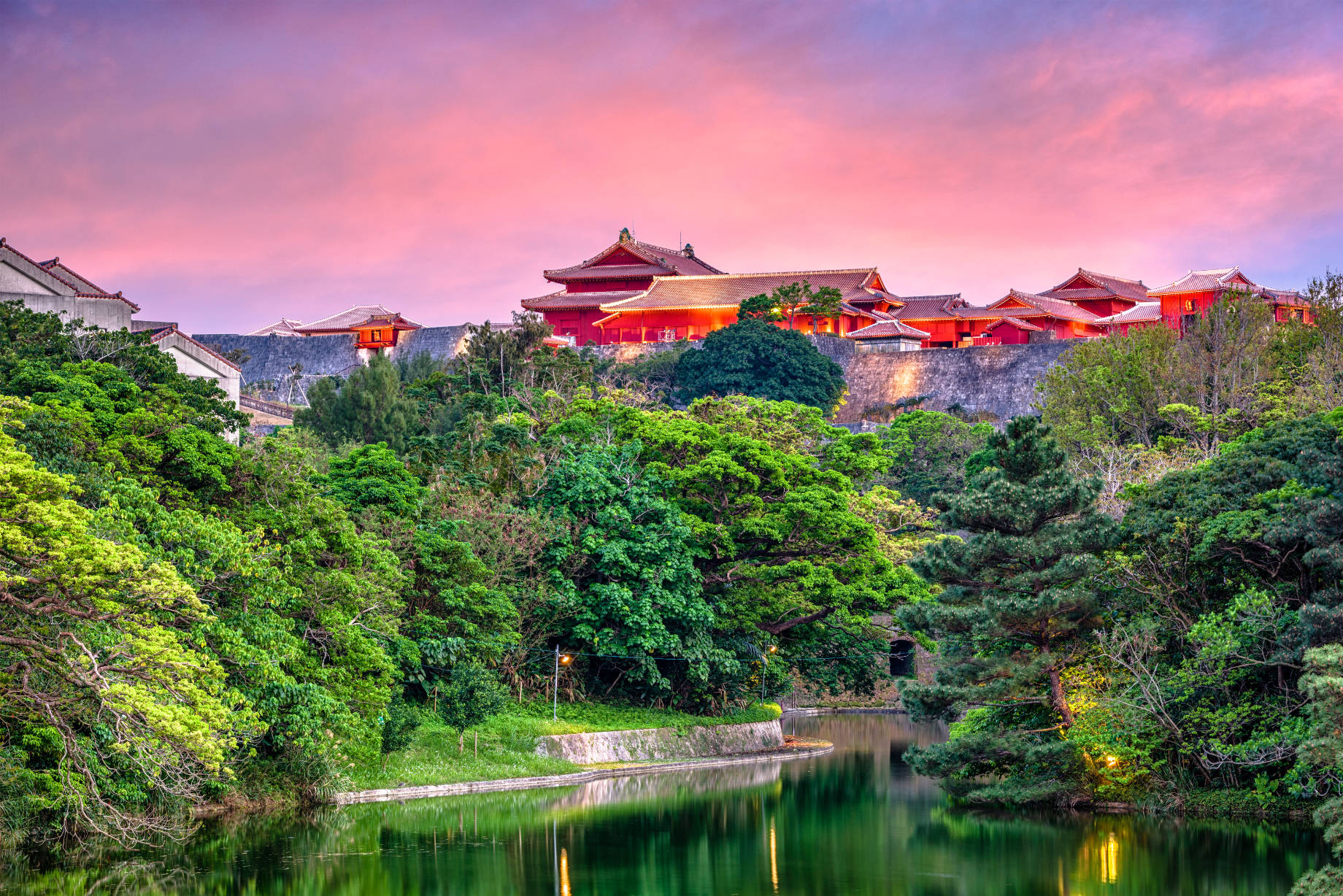
For centuries, Okinawa was the independent Ryukyu Kingdom, a maritime trading nation that maintained relationships with China, Korea, Southeast Asia, and Japan.
That legacy remains visible today.
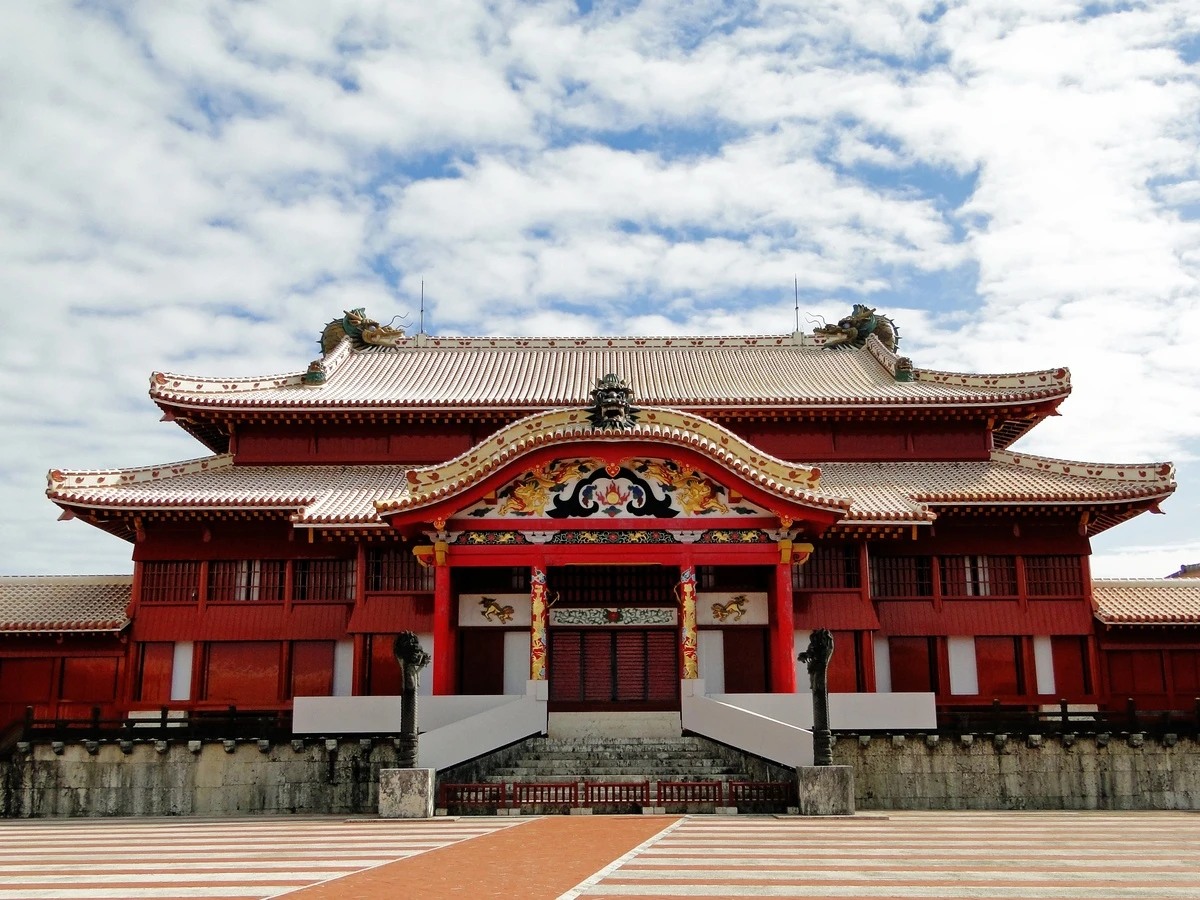
Historic castle ruins, sacred sites, and the reconstruction of Shuri Castle tell a story that feels very different from the samurai era narratives that dominate mainland Japanese history. Visitors interested in traditional Japanese culture often find this history to be one of Okinawa’s most fascinating attractions.
Visiting these sites often feels less like exploring another Japanese region and more like discovering a parallel chapter of East Asian history.
A Unique Cultural Identity
Okinawa’s culture developed separately from mainland Japan for hundreds of years.
Even the traditional Ryukyuan languages are considered distinct from standard Japanese rather than simple regional dialects.
You’ll notice this heritage everywhere. From local music played on the sanshin to traditional festivals, shrine traditions, and everyday customs.
For travelers interested in understanding Japan beyond its most familiar stereotypes, Okinawa provides valuable perspective.
A Food Scene Unlike Anywhere Else in Japan
One of the fastest ways to understand a region is through its food.
Okinawan cuisine reflects centuries of cultural exchange and local adaptation. Signature dishes such as rafute, goya champuru, and Okinawa soba offer flavors and ingredients that feel noticeably different from what you’ll find in Tokyo or Osaka.
The islands also have their own distilled spirit, awamori, and a fascinating mix of influences that includes Chinese traditions, Southeast Asian ingredients, American military era food culture, and exceptional seafood.
It’s one of the few places in Japan where taco rice and slow braised pork belly can comfortably coexist on the same menu. The food in Japan is amazing, but Okinawa offers a particularly unique version of Japanese food.
A Slower Pace of Life
Some destinations are best described through facts.
Others are best described through feeling.
Okinawa falls into the second category.
The subtropical climate, red tiled roofs, ocean views, and slower pace create an atmosphere that’s difficult to compare with anywhere else in Japan. Life feels less hurried, and many travelers find themselves naturally slowing down after spending time in Tokyo, Kyoto, or Osaka.
It’s not better or worse.
Just different.
And that’s exactly the point.
The Logistics Are Easier Than Most Travelers Think
One of the biggest reasons Okinawa gets overlooked is the assumption that it’s inconvenient to visit.
In reality, it’s surprisingly accessible.
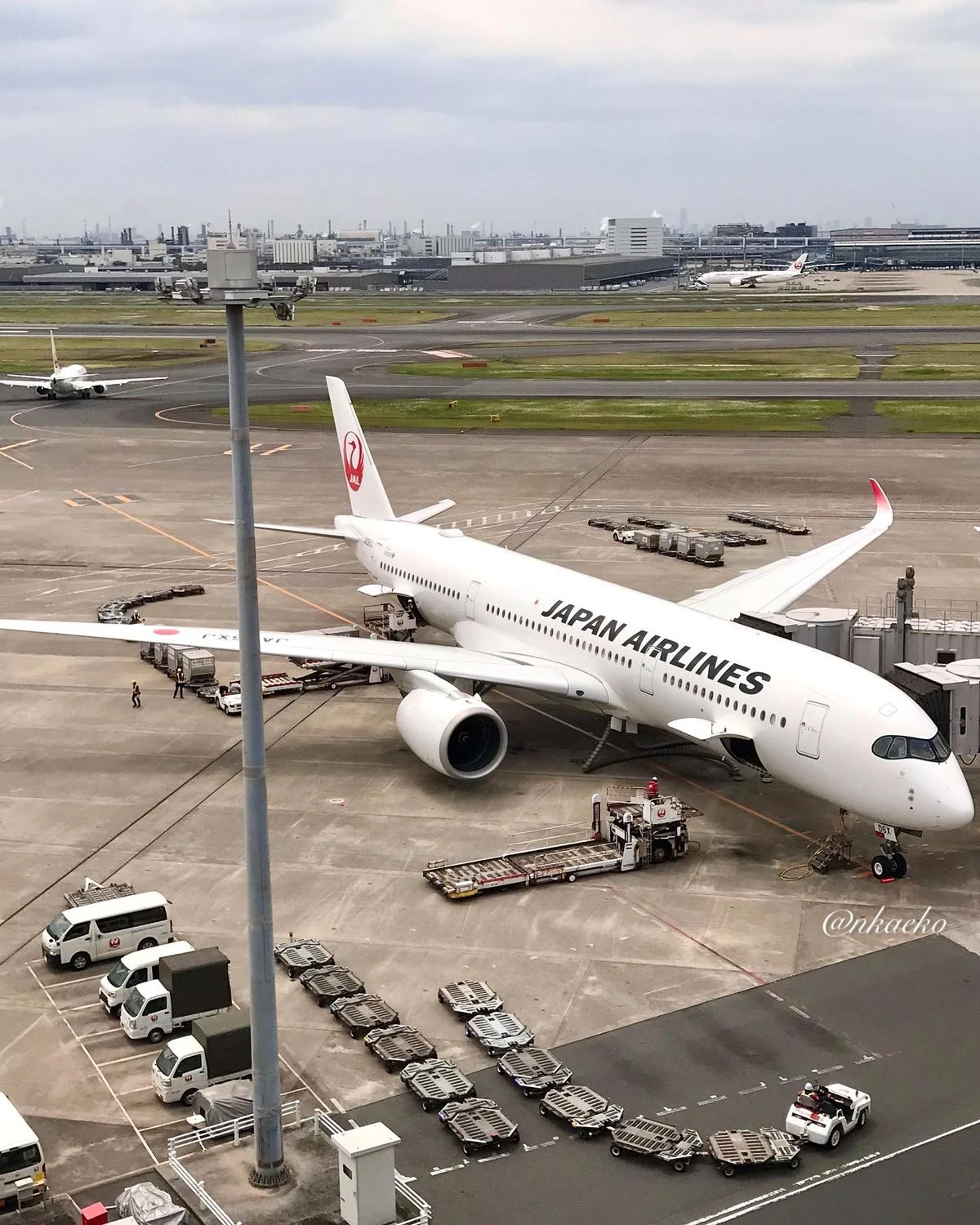
Naha Airport is connected to major Japanese cities through an extensive network of domestic flights.
From Tokyo, the flight takes roughly three hours.
From Osaka, it’s often under two hours.
Whether you arrive through Narita or another major airport, reaching Okinawa is easier than many first time visitors expect.
Rather than thinking of Okinawa as a separate vacation, it’s more helpful to think of it as another domestic destination within Japan.
What Surprises Most First Time Visitors
Many travelers arrive expecting beaches and leave talking about entirely different things.
The history is often deeper than expected.
The food is more distinctive than anticipated.
The cultural differences are more noticeable than many realize.
One of my favorite travel days in Japan wasn’t in Tokyo, Kyoto, or Osaka.
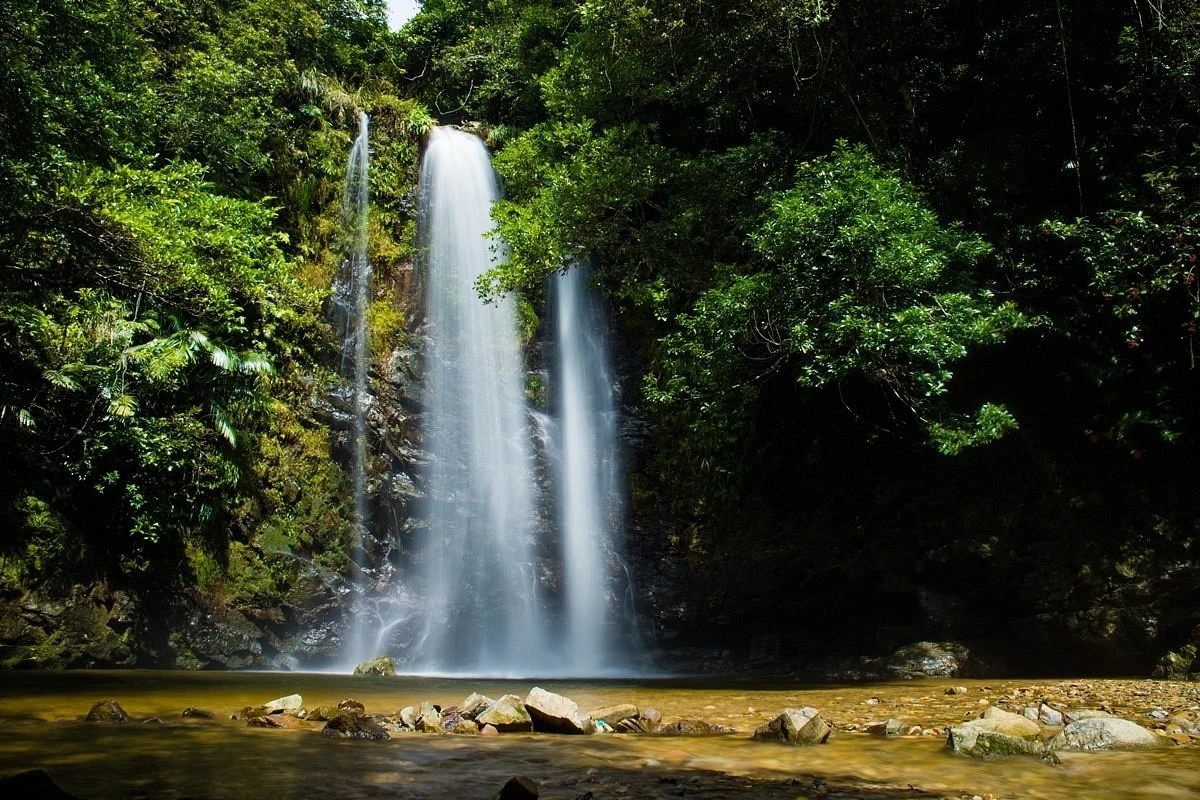
It was in Yanbaru, the forested northern region of Okinawa.
After several days exploring Naha and some of the island’s better known coastal areas, I joined a small group excursion into the subtropical forests of the north. The beaches had been beautiful, but Yanbaru felt like discovering an entirely different side of Japan.
Dense forests replaced resort lined coastlines. Rare wildlife moved through the trees. Small villages revealed a slower rhythm of life that felt far removed from Japan’s main cities.
What stayed with me wasn’t a single landmark.
It was the feeling of seeing a side of the country that most tourist itineraries never experience.
The excursion was organized by Evertrail Tours, but what made the day memorable wasn’t the itinerary itself. It was the realization that some of Japan’s most rewarding travel experiences happen when you step away from the destinations everyone already knows.
That lesson applies just as much to Japan as it does to Okinawa.
And perhaps most surprising of all, Okinawa doesn’t feel like a break from Japan.
It feels like a broader understanding of it.
How to Add Okinawa to a Japan Itinerary
The good news is that adding Okinawa doesn’t require completely redesigning your trip.
For a 10 days itinerary, consider spending four days in Tokyo, three days in Kyoto and Osaka, and the final three days in Okinawa.
With a two week itinerary, you can comfortably dedicate four or five days to the islands while still experiencing the highlights of mainland Japan. You could even add day trips to Nara, Kobe, Himeji, Kanazawa, or Okayama depending on your interests.
Flying directly from Osaka to Okinawa is often the most efficient option and avoids unnecessary backtracking on the Shinkansen.