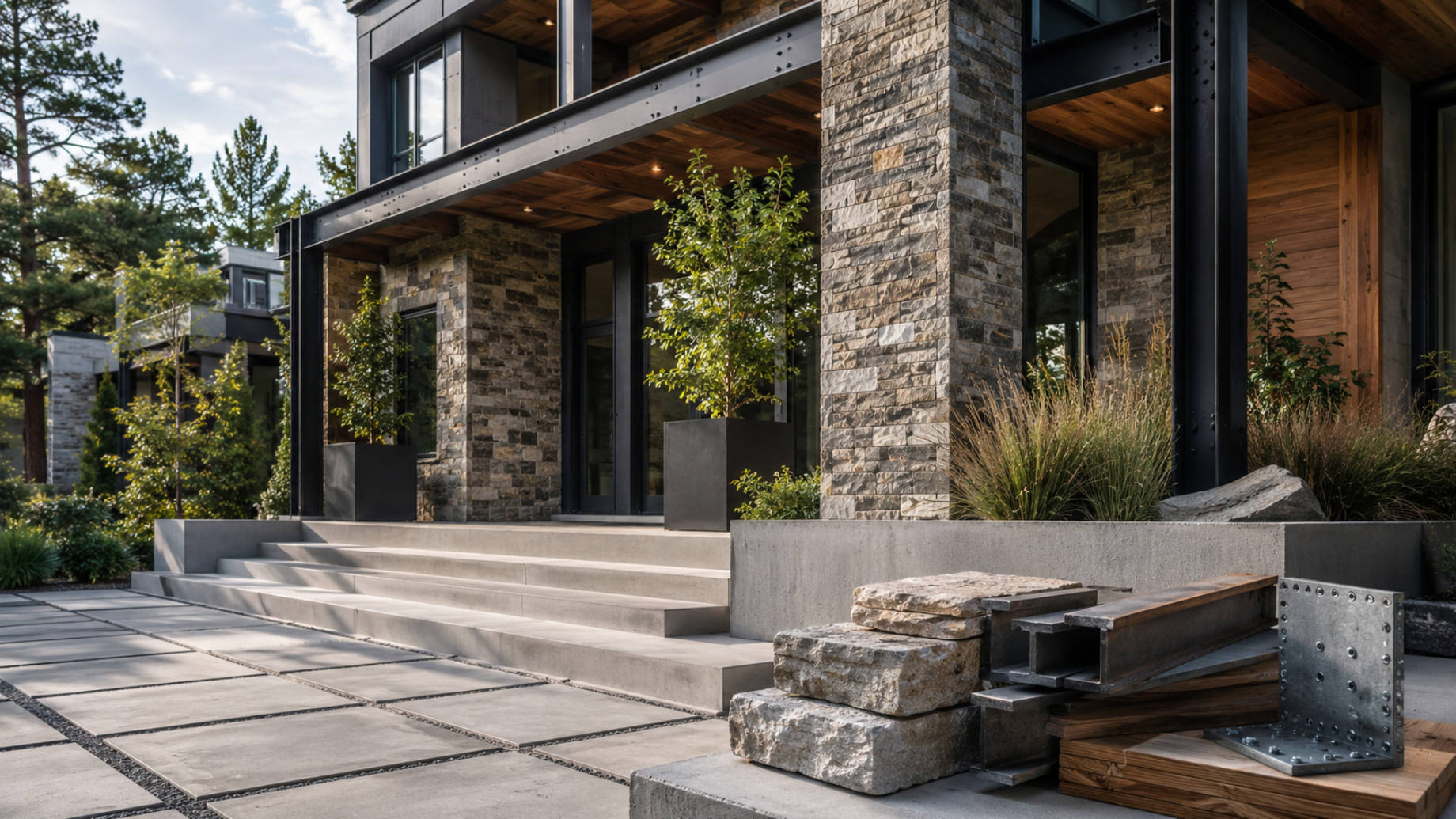
Real estate upgrades require careful planning and solid materials. Choosing the right components changes how a building handles wear and tear over decades. High-quality selections cut down long-term maintenance costs and secure property valuation.
Investors look for options that withstand environmental stress without losing structural integrity. Focusing on durability means evaluating everything from framework fasteners to foundation components. Smart choices early in construction pay off during the life cycle of the property.
Investing In Longevity For Modern Properties
Property upgrades deliver true value when they resist premature aging. Heavy weather and daily use put constant strain on commercial and residential assets. Choosing strong materials helps mitigate these risks from day one.
Long-term performance relies on the inner skeleton of a structure. Substandard framing materials warp and shift, causing cracks in walls and misaligned door frames. Using premium framing selections provides a stable base that maintains structural alignment.
Properties built with weak materials lose market value quickly. Repairs drain thousands of $ from maintenance budgets and disrupt tenants living or working in the space. Selecting resilient components avoids these continuous financial leaks.
High-grade exterior cladding adds another layer of defense against seasonal elements. Wind, rain, and intense sunlight break down cheap coatings within a few seasons. Investing in premium sealants keeps the building dry and secure.
Strengthening Metal Frameworks And Joints
Sheet metal and steel framing need precise connections to remain stable. Loose components compromise the safety of wall panels and roofing systems. Builders need reliable fasteners to maintain structurally tight fits under high winds.
Sourcing premium hardware guarantees that structural panels stay aligned over decades. Many commercial construction crews purchase a range of blind rivets in bulk quantities to complete heavy sheet metal assemblies without delay. These specific fastening tools resist vibration and shear stress under extreme building loads.
Choosing the right fastener grade prevents metal fatigue near joints. Testing these connections protects a property from costly structural realignments down the road. Stable connections keep the entire building envelope sealed against water.
Engineers choose specific metal grades to match the climate conditions of the region. Saltwater coastal zones require corrosion-resistant coatings to prevent rust failure. Correct hardware selections keep frameworks safe for 50 years or longer.
Selecting Low Carbon Building Materials
Modern real estate development incorporates environmental performance alongside physical strength. Properties built with greener components appeal to modern tenants and meet changing local rules.
Innovative construction networks focus on changing how communities build structures. A global industry publication shared that new strategies focus on low-carbon materials and circular construction to lower sector impacts.
Selecting these alternatives keeps properties compliant with modern green benchmarks. Building owners protect themselves against future legislative changes that penalize high-emission structures. Solid materials can be both clean and highly durable.
Low-emission steel and concrete options match the load capacities of standard materials. Procurement teams verify these ratings through structural testing before delivery. Using clean options proves that safety and environmental care fit together. Owners reduce their carbon footprint without hurting the stability of the foundation.
Integrating Bio Fabricated Construction Alternatives
Organic technology offers fascinating ways to improve building strength. New research focuses on materials grown from biological sources to replace traditional wallboards and insulation. These components prove that nature offers excellent structural answers.
Mass-scale production makes these options competitive with older materials. A European building portal highlighted that sustainably sourced bio-fabricated materials are affordable and visually appealing.
Using biological alternatives limits reliance on synthetic plastics and chemical adhesives. They provide natural insulation and keep indoor air quality safe. Property owners gain durable walls that breathe naturally and lower energy costs.
Mycelium composites and hemp-based blocks absorb impact well and resist standard household pests.
They do not release toxic fumes during fires, adding a safety benefit for occupants. Integrating these choices builds distinct market interest for the real estate asset. Tenants appreciate the combination of safety and sustainable engineering.
Reducing Embodied Carbon In Structural Designs
Foundation and framing elements hold the highest carbon footprint in real estate. Minimizing this footprint during renovations or new builds sets a high standard for property management. Durable materials lower the need for frequent replacement cycles.
Major educational institutions set strict limits for their housing portfolios. A sustainability brief from a top university revealed plans to cut embodied carbon in primary building materials by at least 20% compared to standard designs.
Reducing carbon does not mean sacrificing structural strength. Advanced manufacturing creates low-emission concrete and steel variants that outperform older formulas. Property managers secure better investments by adopting these superior alternatives early.
Architects track carbon metrics from extraction through installation to verify actual reductions. These detailed reviews confirm that green materials last just as long as legacy options.
Long-lasting structures reduce the total lifetime carbon impact of the asset. Property groups build better portfolios by following these verified structural plans.
Adopting Circular Construction Methods
Circular methods minimize waste by reusing high-grade components during property renovations. This practice keeps materials out of local landfills and preserves their economic value. Properties built with disassembly in mind retain higher material value.
- Dismantled steel beams fit perfectly into new structural frames.
- Old brick facings provide historic charm alongside proven weather protection.
- Timber salvaged from older sites offers superior density and grain strength.
Planning for circularity requires selecting modular pieces that separate easily. Fasteners that detach without destroying the surrounding panels make recycling simple.
Property owners reduce future demolition costs by $10000 or more through these intelligent designs. Smart blueprints prevent durable parts from turning into unusable rubbish.
Deconstruction teams harvest these pieces carefully to avoid micro-cracks. Reused components undergo strict sorting to meet safety standards before reinstalling. Circular design turns potential debris into valuable structural inventory.
Choosing Recycled Aggregates For Concrete Elements
Concrete remains a fundamental material for pathways, foundations, and retaining walls. Improving concrete durability involves optimizing the aggregate mix. Recycled options offer excellent performance and reduce mining needs.
- Crushed concrete aggregates provide exceptional compaction for sub-base layers.
- Recycled glass fragments add decorative finishes to outdoor walkways.
- Reclaimed asphalt bits create durable surfaces for parking lots and driveways.
Mixing recycled aggregate into new pours delivers excellent compressive strength. This method protects the ground from shifting and prevents deep cracks during freezing weather. High-strength concrete aggregate protects the property foundation for generations.
Local code compliance guarantees that these recycled elements meet weight-bearing specifications. Testing labs compress sample cylinders to verify durability limits before pouring major slabs. Choosing recycled components offers robust defense against heavy truck traffic.
Choosing durable materials protects real estate investments from early decay. High-quality fasteners, biological alternatives, and recycled concrete aggregates maintain structural integrity over the years.
Smart developers look at structural performance alongside environmental footprints to build lasting assets. Investing in solid components now guarantees a reliable structure for future generations.
